CHAPTER 9: INDEPENDENCE AND MODERN MALTA (1964-PRESENT)
THE BIRTH OF INDEPENDENT MALTA
Malta’s independence on September 21, 1964, marked the culmination of a lengthy constitutional evolution and the start of a new chapter in the islands’ history. Gaining independence resulted from intricate negotiations between the British government, Maltese political parties, and various interest groups, each holding different visions for the islands’ future.
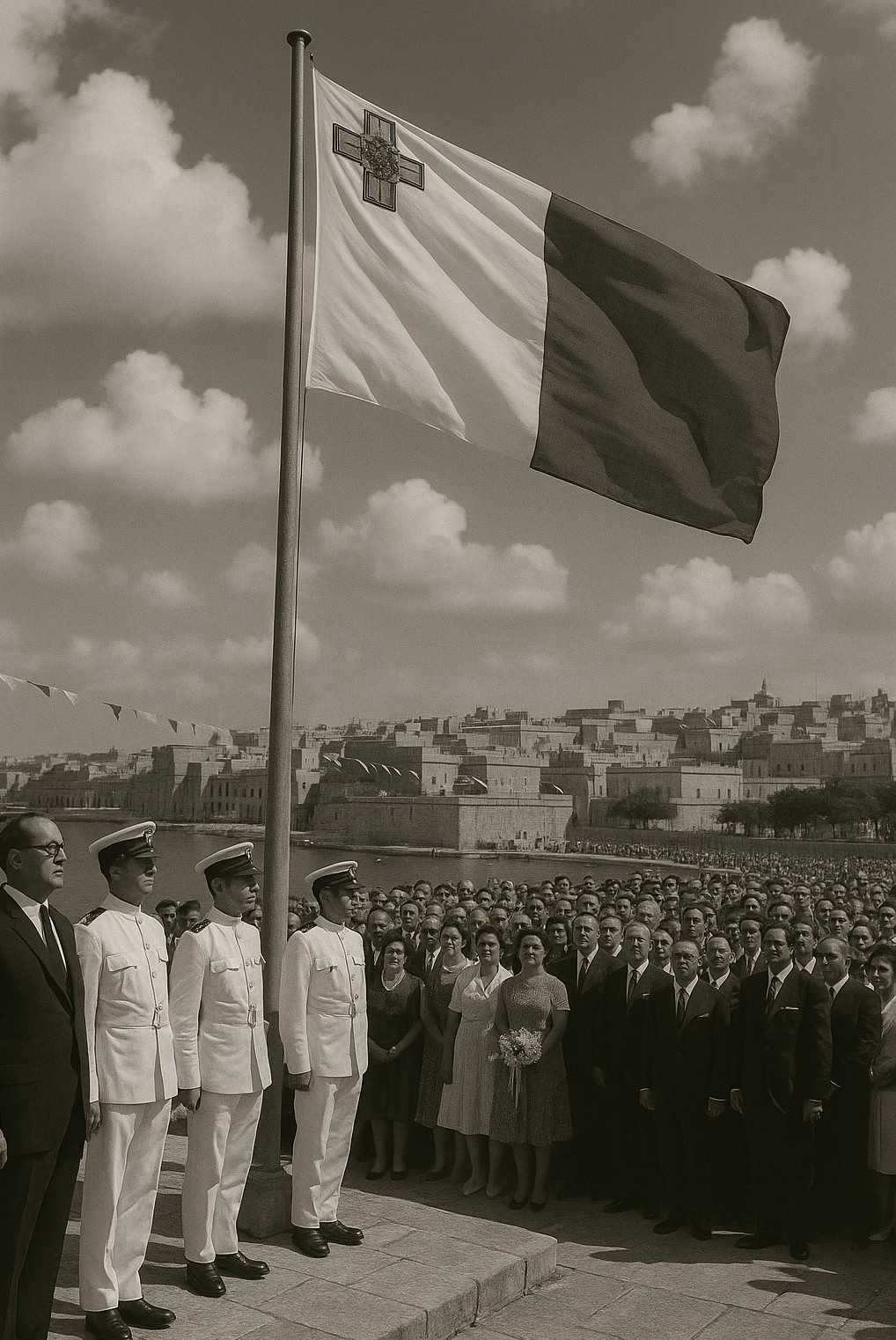
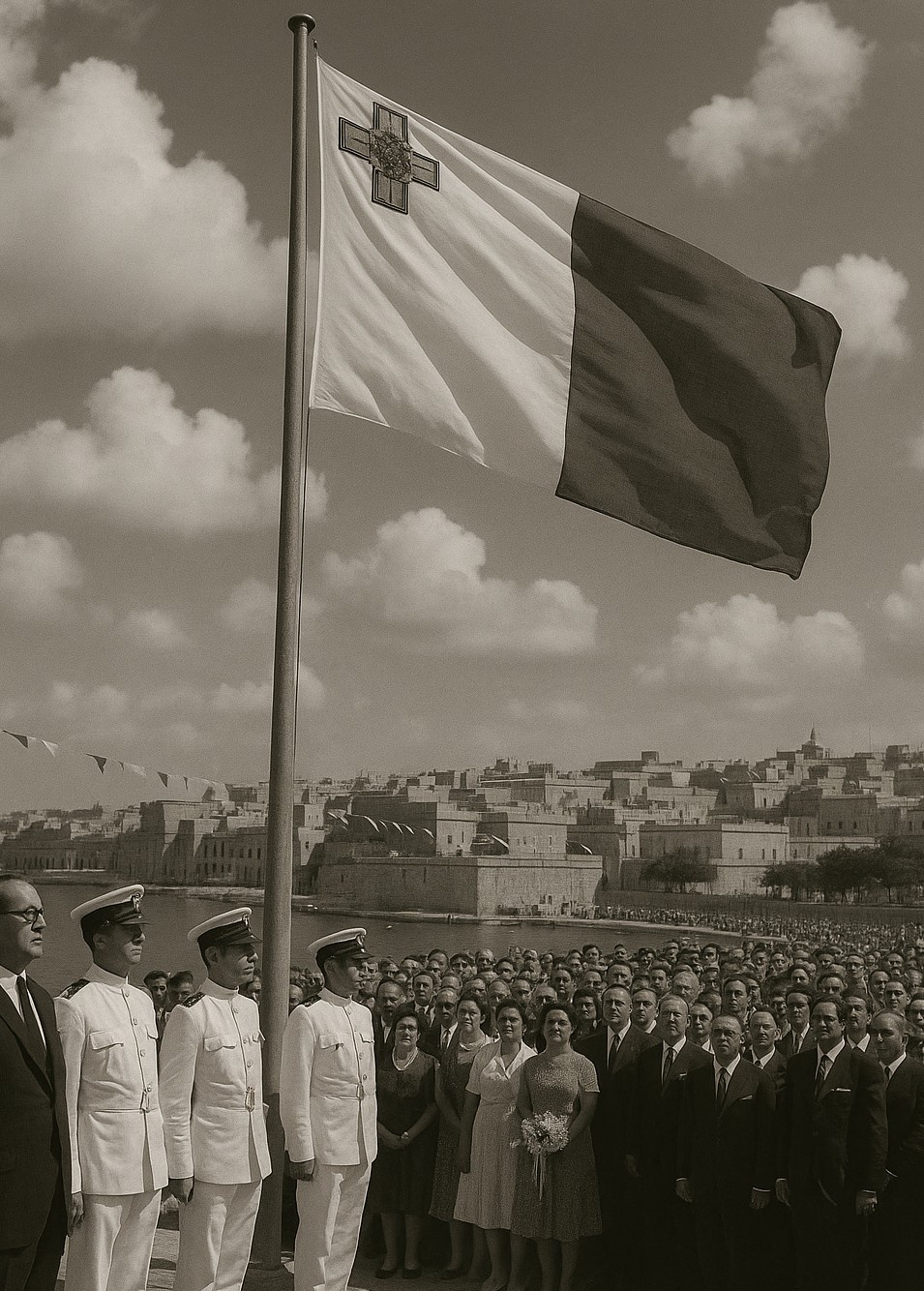
The independence settlement reflected Malta’s actual situation. The new constitution established Malta as a parliamentary democracy within the British Commonwealth, with Queen Elizabeth II as the head of state, represented by a Governor-General. The British retained some military facilities on the islands, and the independence agreement included measures for financial support to aid Malta’s transition to self-government.
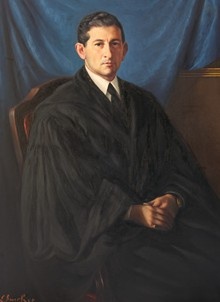
Giorgio Borg Olivier, leader of the Nationalist Party, became Malta’s first Prime Minister. His government faced immense challenges in transforming a colonial economy reliant on British military expenditure into a sustainable independent state. The task was further complicated by Malta’s small size, limited natural resources, and strategic position in an increasingly volatile Mediterranean region.
Notable achievements in nation-building characterised the early years of independence. The new government established diplomatic relations with countries worldwide, joined international organisations, and started the process of developing uniquely Maltese institutions and policies. The flag, national anthem, and other symbols of statehood were adopted, fostering a sense of national identity that transcended the political divisions of the colonial period.
ECONOMIC TRANSFORMATION AND DEVELOPMENT
The most urgent issue facing independent Malta was economic growth. The colonial economy relied mainly on British military spending, which employed a large part of the population but also created a risky reliance on external factors outside Malta’s control.
The Nationalist government under Giorgio Borg Olivier launched an ambitious economic development programme centred on industrialisation and tourism. The government offered incentives to attract foreign investment, established industrial zones, and promoted Malta as a manufacturing hub for export to European markets. The strategy relied on Malta’s skilled workforce, English-speaking population, and strategic location.
Tourism became a vital part of Malta’s new economy. The government invested heavily in tourism infrastructure, promoted the islands’ historical sites and Mediterranean climate, and worked to establish Malta as a prominent tourist destination. Developing tourism required substantial investment in hotels, transportation, and services, but it laid the groundwork for economic diversification.
The transition was not without challenges. The reduction in British military spending caused unemployment and hardship for many Maltese families. The government’s development policies, while effective in the long run, took time to create jobs and income. During this period, many Maltese emigrated in search of opportunities in Australia, Canada, and other Commonwealth nations.
THE MINTOFF ERA: NEUTRALITY AND SOCIAL REVOLUTION
The 1971 general election brought Dom Mintoff’s Labour Party to power, marking one of the most transformative eras in modern Maltese history. Mintoff, a charismatic and contentious leader, pursued policies that significantly altered Malta’s international standing and domestic society.
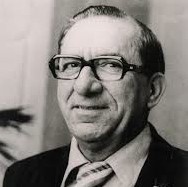
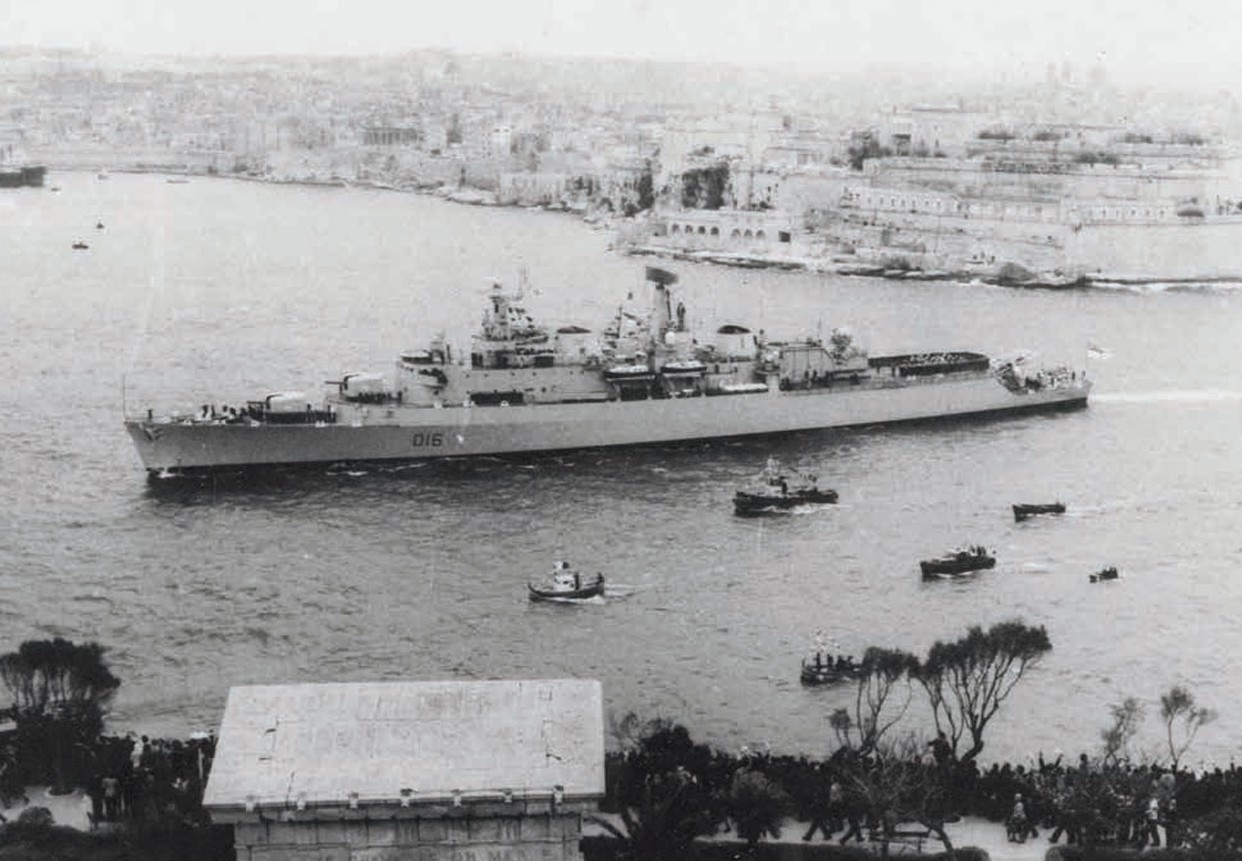
Mintoff’s foreign policy was rooted in neutrality and non-alignment. He negotiated the closure of British military bases, declared Malta a neutral state, and engaged with both the Western and Eastern blocs. The policy of neutrality was officially enshrined in the Constitution of 1974, which also declared Malta a republic with a Maltese President as head of state.
The end of the British military presence necessitated a complete overhaul of the Maltese economy. Mintoff’s government undertook an ambitious programme of state-led development, establishing government-owned enterprises, expanding the public sector, and promoting import substitution. The policies were contentious but effective in maintaining employment during the transition period.
Social policy under Mintoff was equally revolutionary. The government introduced free education at all levels, established a comprehensive welfare system, and promoted gender equality. The mandatory retirement age was lowered, workers’ rights were strengthened, and the state took on a greater role in providing social services. These policies transformed Maltese society and created new expectations about the role of government.
Nevertheless, Mintoff’s policies also sparked significant controversy. His confrontational stance towards the Catholic Church caused tensions over education and social issues. His authoritarian leadership style and acceptance of political violence alienated many supporters and caused lasting divisions within Maltese society. The era was characterised by political polarisation and occasional violence that threatened Malta’s democratic institutions.
THE MEDITERRANEAN CONFERENCE AND INTERNATIONAL RECOGNITION
One of Mintoff’s most notable achievements was organising the Mediterranean Conference in 1979, which gathered representatives from Mediterranean nations to discuss regional cooperation and security. The conference positioned Malta as an essential player in Mediterranean politics and highlighted the islands’ potential as a bridge between Europe, Africa, and the Middle East.
The conference led to the establishment of the Mediterranean Institute at the University of Malta, which has since become a hub for research and discussions on Mediterranean affairs. Malta’s neutral stance and strategic location made it an ideal venue for international conferences and negotiations, enhancing the islands’ global standing and economy.
Malta’s neutrality policy during the Cold War was carefully balanced. The government maintained relations with both superpowers while avoiding alignment with either bloc. This policy required sophisticated diplomacy and occasionally caused tensions with NATO allies; however, it also provided Malta with unique opportunities for international mediation and cooperation.
CONSTITUTIONAL DEVELOPMENT AND REPUBLICAN STATUS
The transformation of Malta into a republic in 1974 marked a key milestone in the island’s constitutional development. The change was more than just symbolic; it reflected Malta’s shift from a colonial dependency to a fully sovereign state with its institutions and identity.
The new constitution established a parliamentary system, with a President serving as head of state and a Prime Minister serving as head of government. The President, elected by Parliament, was given ceremonial duties and the role of guardian of the constitution. The system was designed to ensure democratic governance while maintaining political stability.
The constitutional changes also reflected Malta’s distinct position in the Mediterranean. The neutrality clause, which prevented Malta from joining military alliances, aimed to safeguard the islands’ independence while supporting regional stability. The constitution also acknowledged Malta’s multicultural heritage and established Maltese and English as official languages.
ECONOMIC LIBERALISATION AND EUROPEAN INTEGRATION
The 1980s marked the start of Malta’s gradual integration into the European economic system. The Nationalist government that assumed power in 1987 under Eddie Fenech Adami implemented policies of economic liberalisation and European integration that transformed Malta’s economy and international standing.
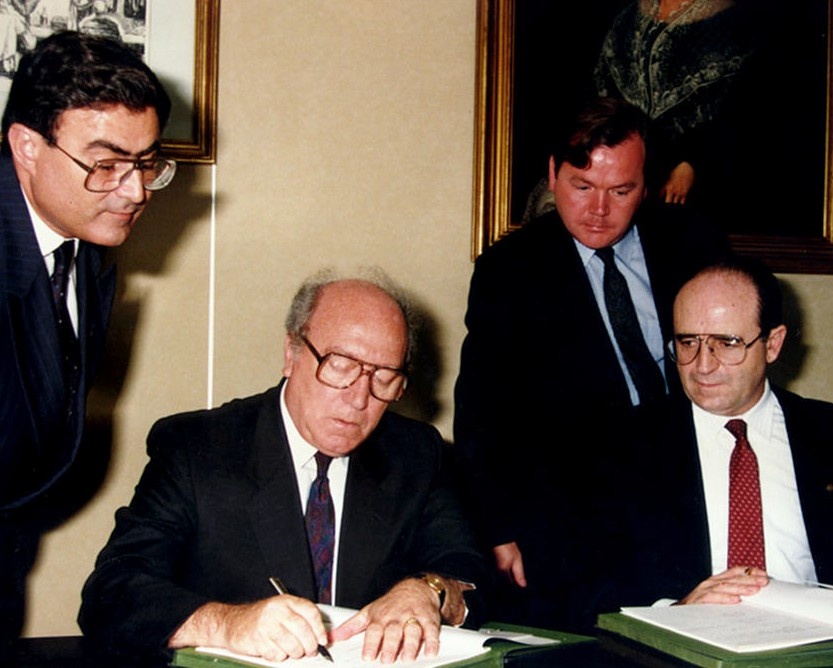
The government dismantled much of the state-controlled economy established during the Mintoff era, promoted private enterprise, and opened Malta to international investment. The policies were controversial but successful in attracting foreign investment and establishing Malta as a regional financial centre.
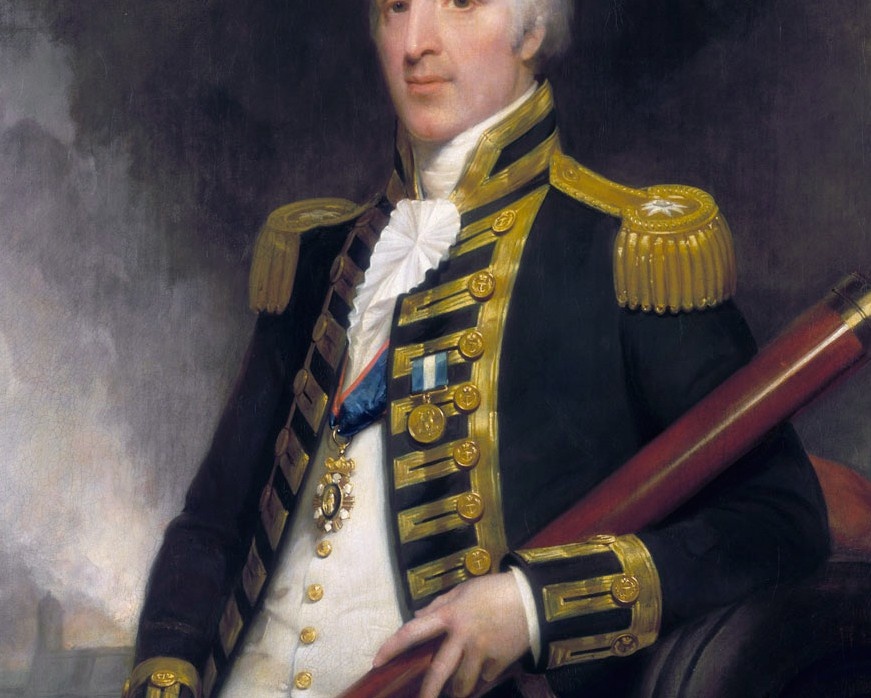
The decision to seek European Union membership in 1990 marked a fundamental change in Malta’s international approach. The application process necessitated major reforms to bring Maltese laws and institutions in line with European standards. Although the process was lengthy and sometimes disputed, it established a framework for renewing Malta’s economy and society.
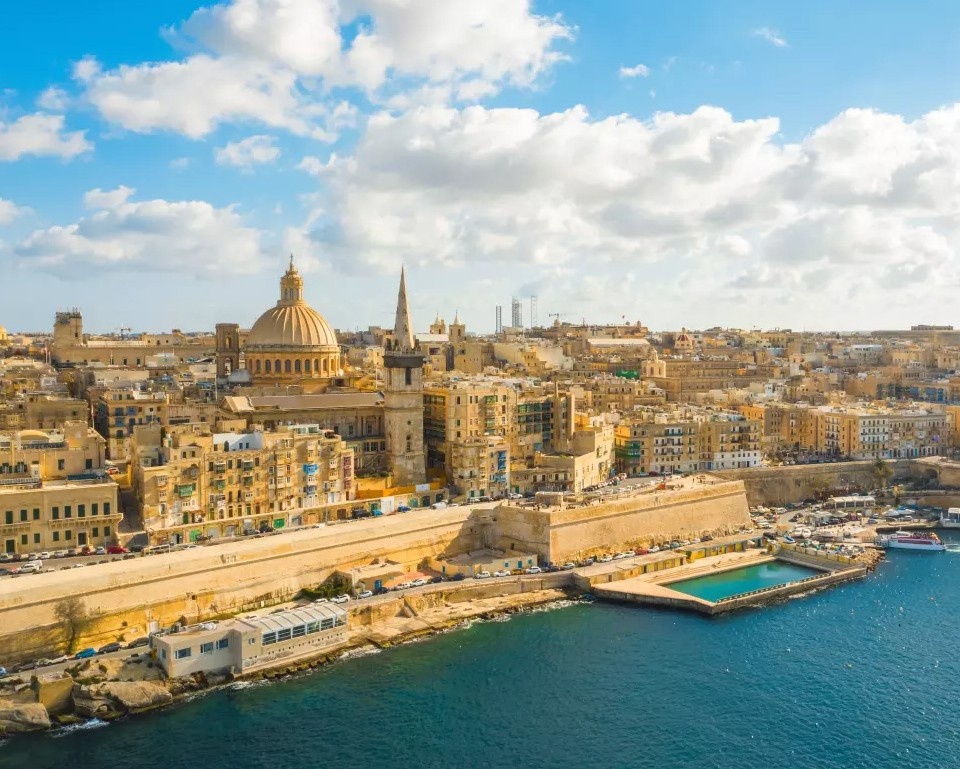
The European integration process significantly influenced Malta’s domestic politics. The Labour Party, originally opposed to EU membership, gradually recognised the inevitability of European integration. The debate over EU membership became a key issue in Maltese politics throughout the 1990s and early 2000s.
THE PATH TO EUROPEAN UNION MEMBERSHIP
Malta’s path to European Union membership was complicated and occasionally controversial. The negotiations, which started in 1998, mandated Malta to adopt European laws and standards throughout all aspects of government and society. The process was technically difficult and politically delicate, as it involved changes to established practices and institutions.
The negotiations addressed all facets of Malta’s economy and society, from financial services to environmental protection. Malta’s small size presented both benefits and challenges in the process. The islands’ limited population and territory made some European requirements difficult to meet, but Malta’s educated workforce and stable institutions supported the adoption of European standards.
The referendum on EU membership in 2003 was one of the most significant democratic exercises in Malta’s history. The campaign was intense and sometimes divisive, with both sides raising compelling arguments about Malta’s future. The result – 53.6% in favour of membership – was decisive yet close enough to reflect the genuine division of opinion on Malta’s European future.
Malta’s accession to the European Union on 1 May 2004 marked the culmination of a lengthy process of European integration and signified a new chapter in the island’s history. EU membership granted Malta access to the single market, structural funds for development, and a voice in European decision-making.
THE EURO AND ECONOMIC INTEGRATION
Malta’s adoption of the Euro in 2008 marked another important milestone in the islands’ European integration. The change required extensive preparations to ensure that Malta’s financial system could operate smoothly within the European monetary framework.
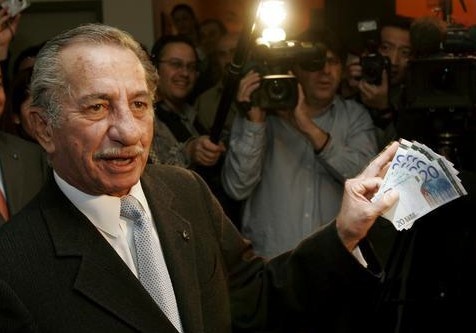
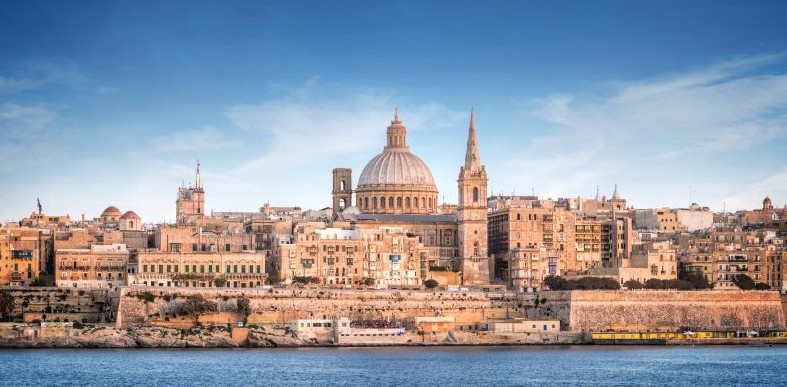
The transition was smooth and demonstrated Malta’s successful integration into the European economy.
EU membership brought considerable advantages to Malta. The islands gained access to European markets, received significant funding for infrastructure projects, and benefited from European initiatives in education, research, and environmental protection. Malta’s strategic location in the Mediterranean made it an appealing hub for businesses aiming to operate in both European and African markets.
Nevertheless, EU membership also presented difficulties. Malta had to adapt to European regulations and standards, which occasionally conflicted with local customs and traditions. The islands’ small size posed distinct implementation issues, and Malta was required to negotiate special arrangements for specific European policies.
MODERN ECONOMIC DEVELOPMENT AND FINANCIAL SERVICES
The 21st century has seen Malta establish itself as a key player in the global economy, especially in financial services, gaming, and technology. The government’s decision to develop Malta as a regional economic centre has been notably successful, attracting international banks, insurance companies, and investment funds to establish operations on the islands.
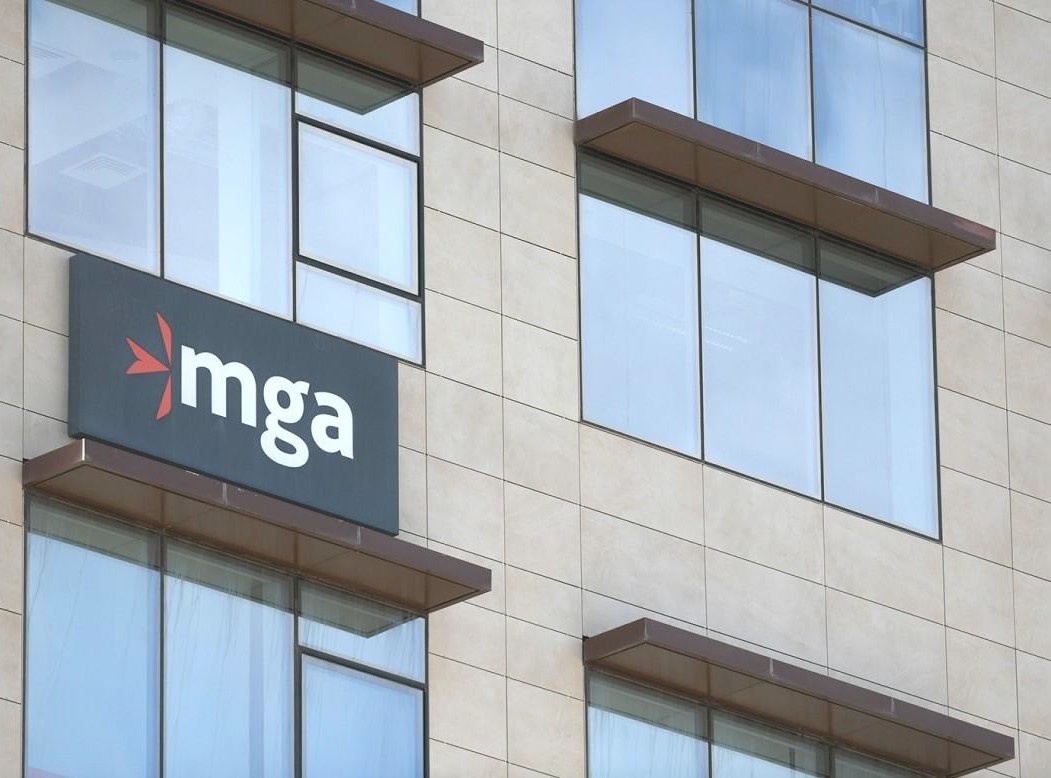
Malta’s regulatory framework, which combines European standards with flexibility and innovation, has made it appealing to financial services firms. The Malta Financial Services Authority has built a reputation for professional regulation and has attracted businesses in sectors such as banking, insurance, fund management, and more recently, blockchain and cryptocurrency.
Malta’s gaming industry has experienced remarkable growth. Since its inception in 2001, the Malta Gaming Authority has established a regulatory system that has attracted many of the world’s leading online gaming firms. Malta has established itself as the centre for online gaming in Europe, with companies like Betsson, Evolution Gaming, and numerous others setting up their headquarters on the islands.
Malta’s rise as a hub for blockchain and cryptocurrency regulation has placed the islands at the forefront of financial technology innovation. The government’s proactive stance on regulating distributed ledger technology and virtual assets has attracted numerous fintech firms, establishing Malta as a global leader in this emerging sector.
TOURISM EVOLUTION AND CULTURAL HERITAGE
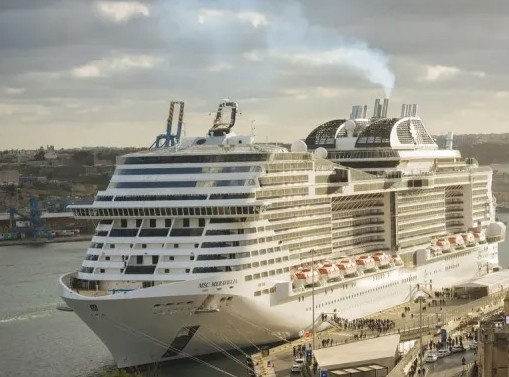
Tourism has developed from a simple sun-and-sea attraction to a complex industry that leverages Malta’s rich cultural heritage and strategic location. The islands now draw over. 2.7 million visitors each year, making tourism a key part of the economy.
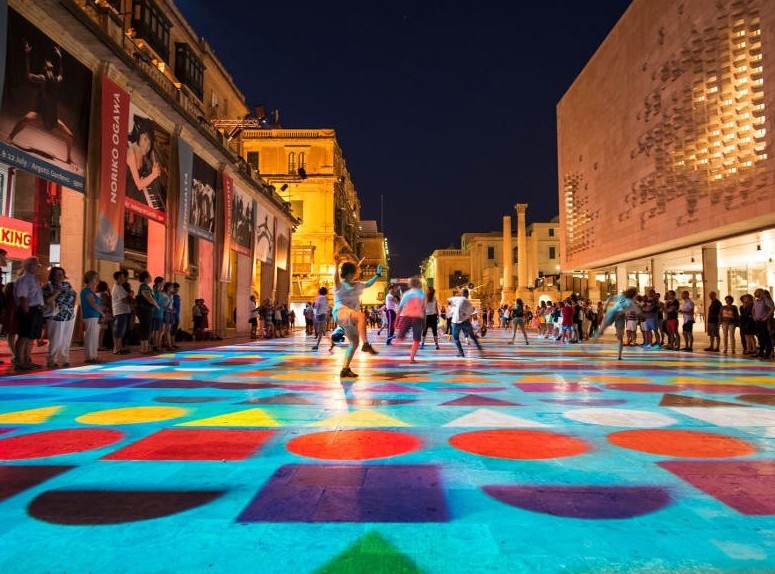
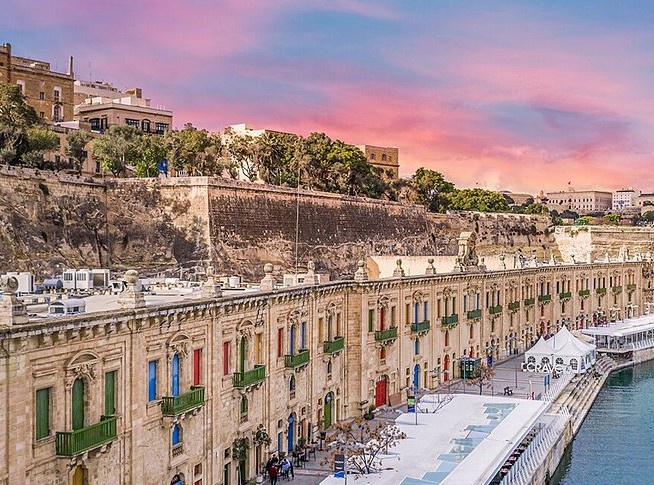

Malta’s UNESCO World Heritage Sites – Valletta, the Megalithic Temples, and the Hypogeum – have become prominent attractions for cultural tourists. The government has invested significantly in conserving and showcasing these sites, creating world-class visitor experiences that highlight Malta’s unique historical heritage.
The growth of niche tourism markets has been especially successful. Malta has emerged as a popular destination for medical tourism, language learning, diving, and film production. The islands’ clear waters, abundant marine life, and many historical sites make them perfect for specialised tourism experiences.
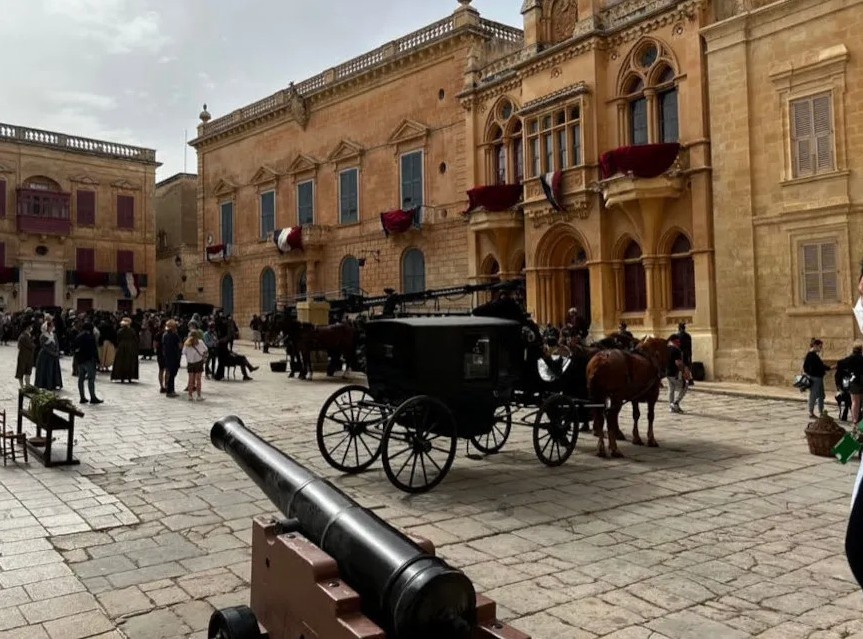
Film production has become a vital economic sector, with Malta serving as a location for major international productions, including “Gladiator,” “Troy,” “Game of Thrones,” and numerous other films and television series. The Malta Film Commission has established advanced support services for international productions, and the industry now makes a significant contribution to the economy.
THE SIEGE OF VALLETTA
Modern Malta has undergone significant social changes that reflect both European integration and global trends. The society has become more secular, cosmopolitan, and diverse, while maintaining strong ties to traditional values and practices.
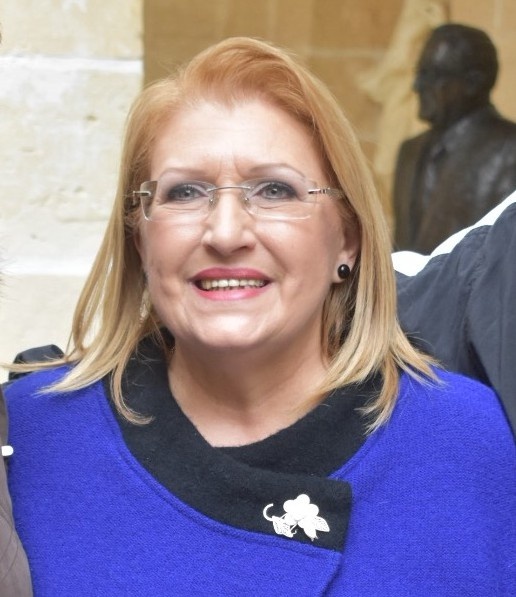
The status of women in Maltese society has undergone significant changes since independence. Malta now boasts one of the highest rates of female participation in higher education in Europe, and women hold senior roles in government, business, and the professions. The election of Marie-Louise Coleiro Preca as President in 2014, along with the appointment of numerous female ministers and senior officials, demonstrates these changes.
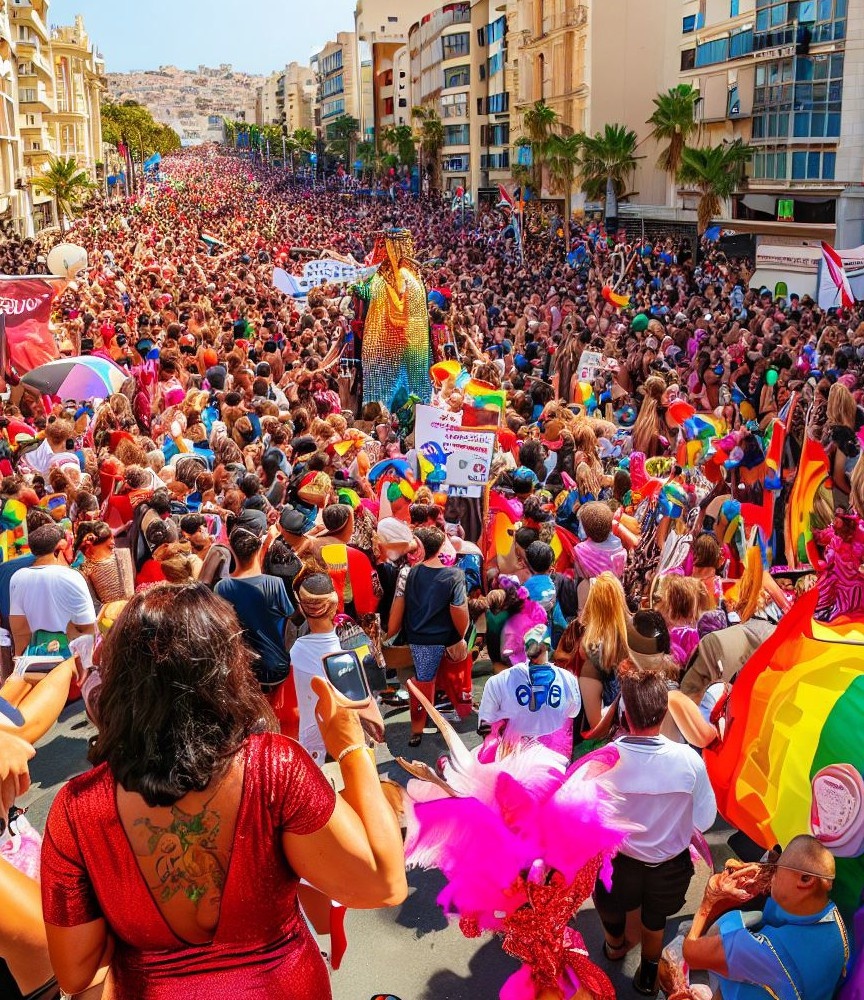
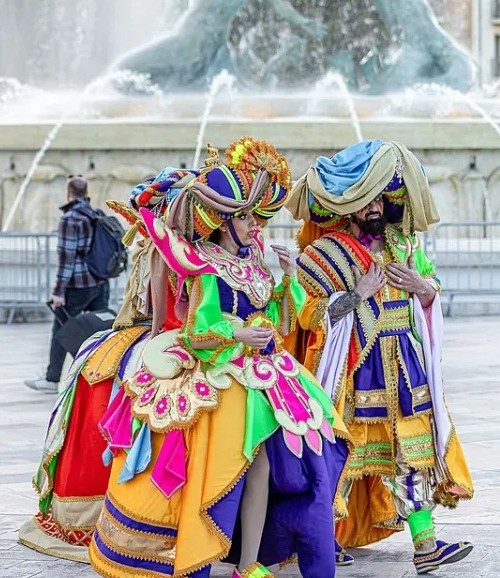
Malta’s approach to social issues has progressed considerably. The country has enacted progressive laws on civil unions, adoption rights, and gender identity, making it one of the most liberal nations in Europe regarding LGBTI+ rights. These developments mirror broader changes in Maltese society and its alignment with European social standards.
The preservation of Maltese culture and language remains significant despite growing globalisation. The Maltese language has adapted to include modern ideas while keeping its distinct Semitic roots. Maltese literature, music, and arts continue to flourish, often illustrating the islands’ position between European and Mediterranean traditions.
ENVIRONMENTAL CHALLENGES AND SUSTAINABLE DEVELOPMENT
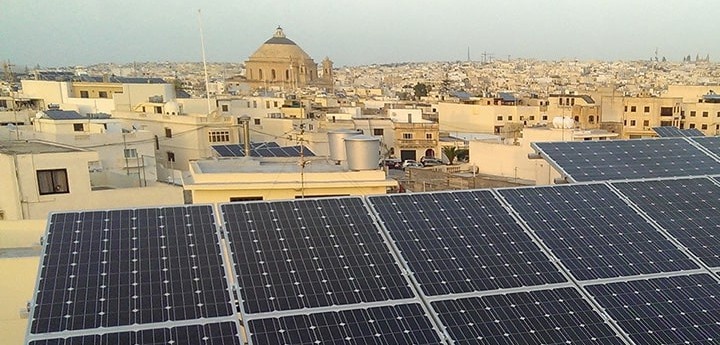
Malta faces significant environmental challenges because of its small size, high population density, and fast economic growth. Water shortages, waste management issues, and pressure from urban development are ongoing concerns that need innovative solutions.
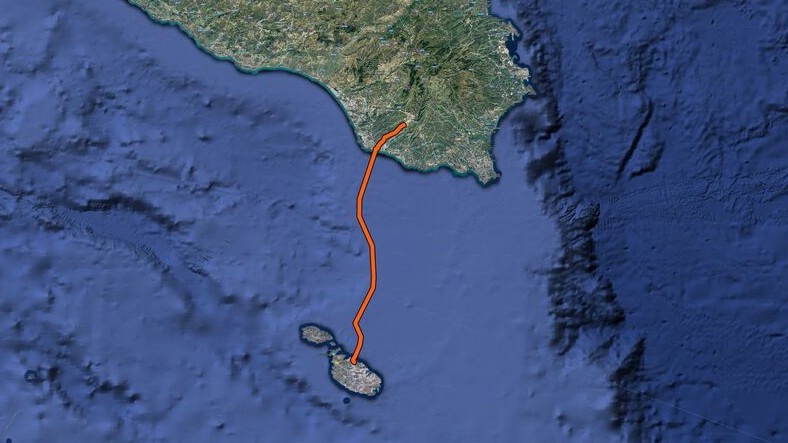
The government has invested significantly in renewable energy, especially solar power and wind energy. Malta’s plentiful sunshine makes it an ideal location for solar energy development, and the islands are working to reduce their reliance on imported fossil fuels. The interconnector project connecting Malta to the European electricity grid has improved energy security and environmental sustainability.
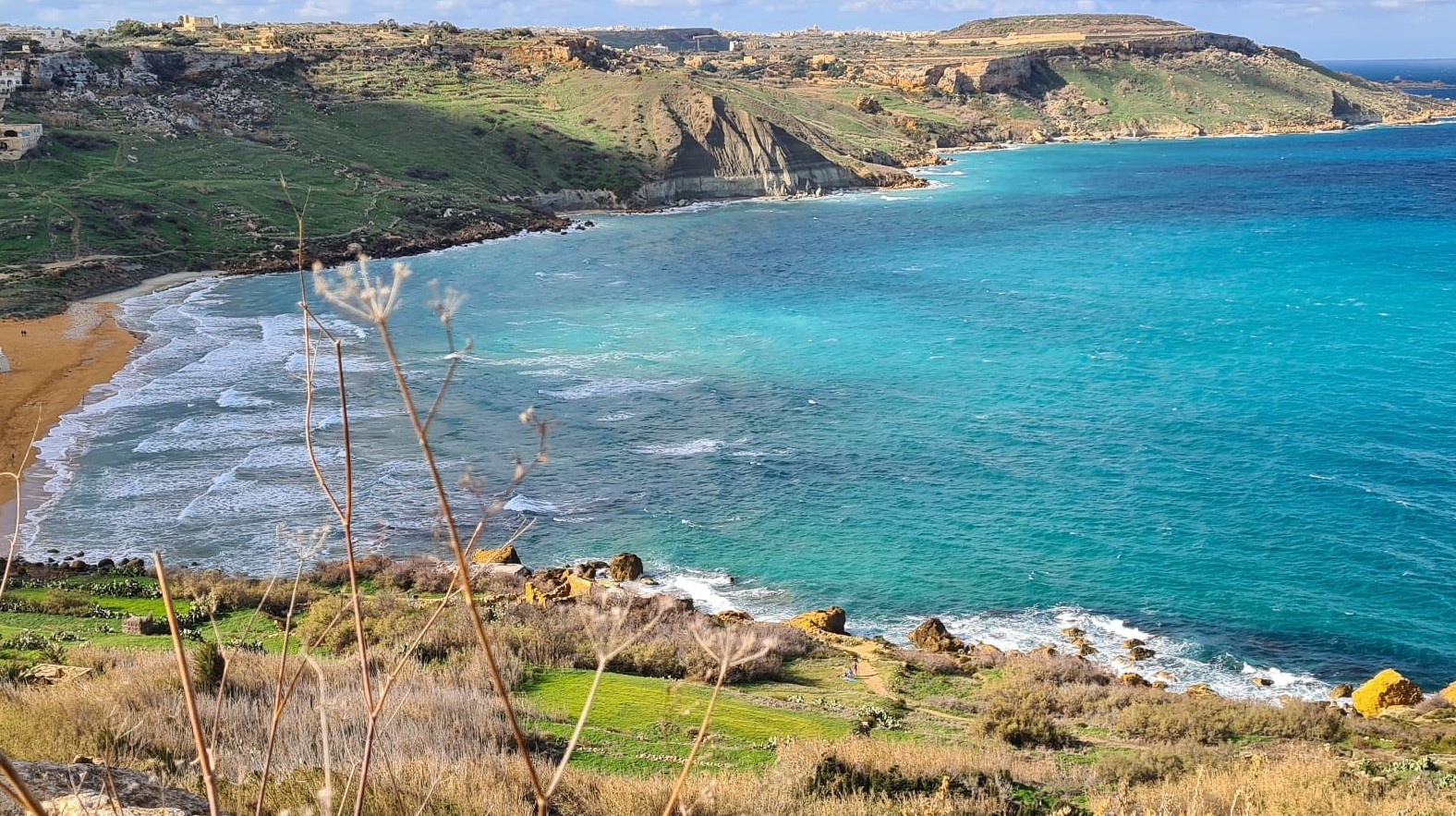
Marine conservation has become increasingly significant as Malta acknowledges the importance of its marine environment for both tourism and biodiversity. The creation of marine protected areas and the regulation of fishing activities demonstrate growing environmental awareness.
Urban planning and development control remain challenging due to the pressure to develop on limited land. The government has introduced planning reforms to strike a balance between development needs and environmental protection, as well as quality of life considerations.
IMMIGRATION AND DEMOGRAPHIC CHANGE
Malta’s position in the central Mediterranean has made it a key destination for migration from Africa and the Middle East. The islands have faced substantial immigration pressure, especially since the Arab Spring, necessitating new policies and approaches to integration and border control.
The government has established comprehensive immigration policies that strike a balance between humanitarian commitments and practical constraints. Malta has called for European burden-sharing in managing irregular migration and has invested in search and rescue capabilities to save lives at sea.
Legal immigration has also risen substantially, with Malta drawing workers from other European countries and beyond. The Individual Investor Programme and other residency schemes have appealed to wealthy individuals and families, fostering economic growth while shaping new social dynamics.
Demographic changes have brought both opportunities and challenges. Immigration has helped fill labour shortages and introduced new skills and perspectives to Malta. However, it has also increased pressure on infrastructure and services, requiring new approaches to social integration.
DIGITAL TRANSFORMATION AND INNOVATION
Malta has adopted digital transformation as a vital component of its economic development strategy. The government has invested in digital infrastructure, including fibre optic networks and 5G technology, to establish Malta as a digital hub for the Mediterranean region.
The Malta Digital Innovation Authority was created to support and oversee emerging technologies. Malta’s regulatory approach to artificial intelligence, blockchain, and other innovative fields has drawn international interest and investment.
Education and skills development have remained key priorities in the digital transformation process. The University of Malta and other educational institutions have established programmes in computer science, engineering, and digital technologies to address the needs of the modern economy.
The COVID-19 pandemic accelerated digital adoption throughout Maltese society. The government’s response underscored the importance of digital infrastructure and services in sustaining economic activity and social connections during crises.
MALTA’S ROLE IN INTERNATIONAL AFFAIRS
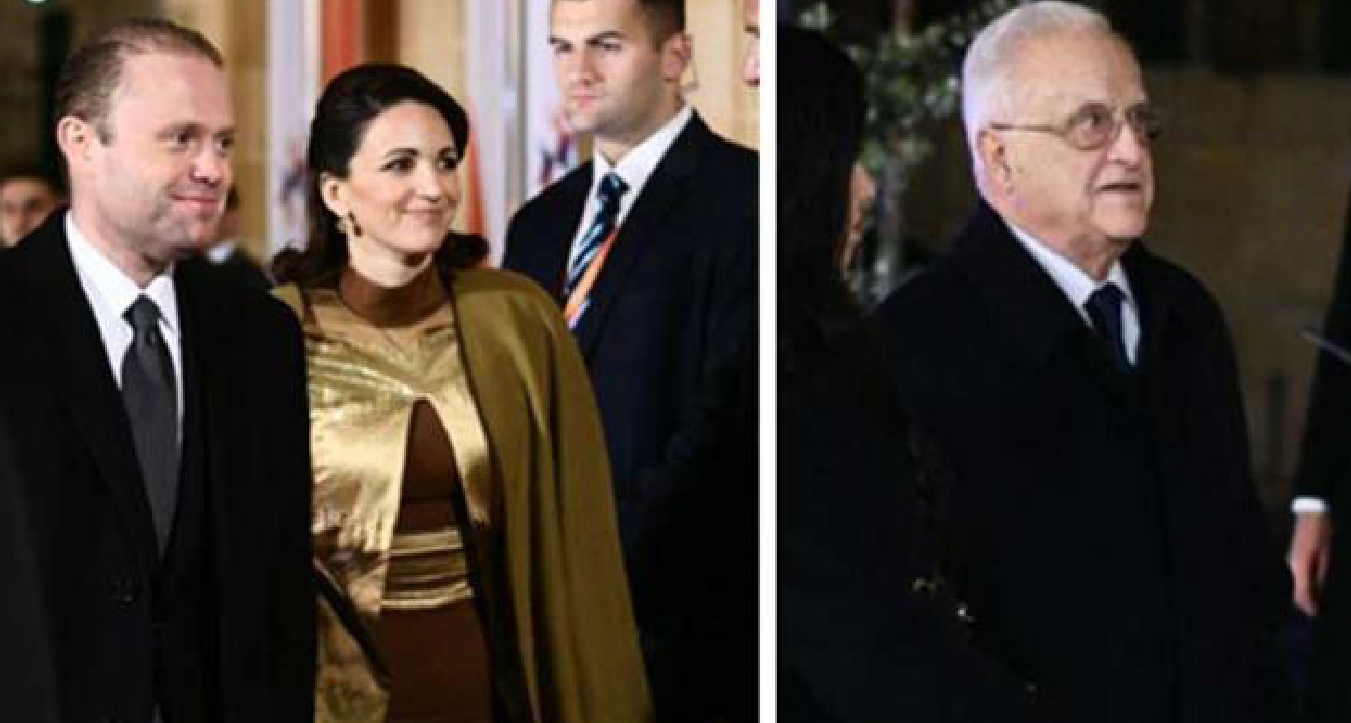
Modern Malta punches above its weight in international affairs by leveraging its strategic position and EU membership to play important roles in European and Mediterranean politics. Malta held the EU Presidency in 2017, successfully managing complex European issues during a challenging period.
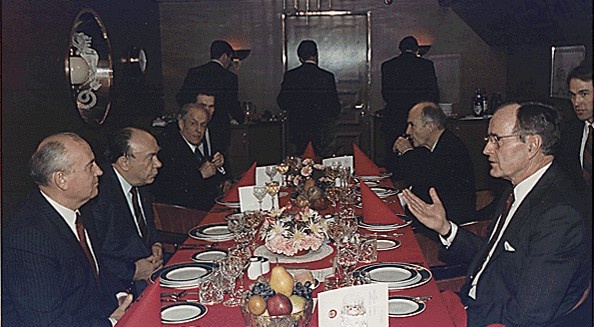
Malta’s foreign policy strikes a balance between its European commitments and its Mediterranean identity, as well as its global connections. The islands keep diplomatic relations with countries worldwide and host significant international conferences and summits.
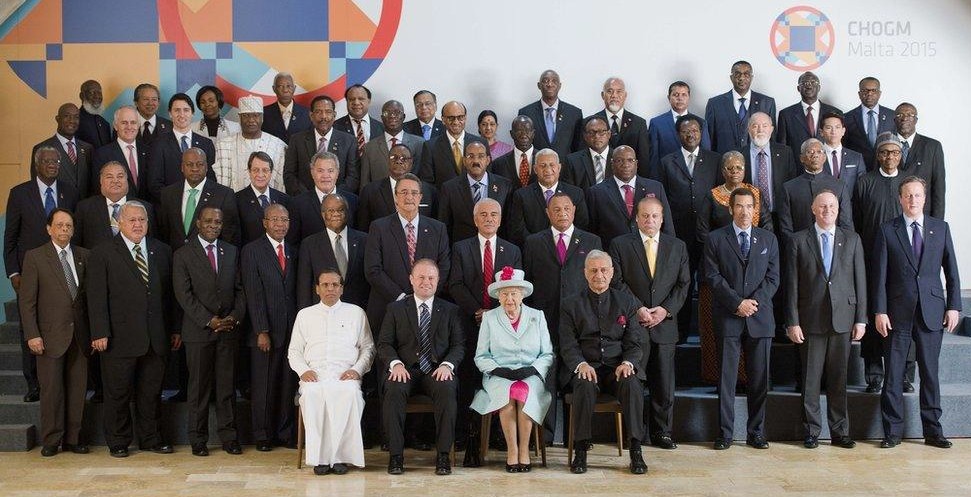
The Commonwealth link remains significant, as Malta hosted the Commonwealth Heads of Government Meeting in 2015. Malta’s involvement in Commonwealth affairs demonstrates its historical ties and continuing relationships with former British colonies.
Its geographical location and historical experience shapes Malta’s role in the Mediterranean. The islands act as a bridge between Europe and Africa, promoting dialogue and cooperation on issues ranging from trade to migration to security.
CONTEMPORARY CHALLENGES AND FUTURE PROSPECTS
Modern Malta faces several significant challenges that will influence its future growth. Population increase and urban development continue to put pressure on infrastructure and services. The islands’ limited landmass makes careful spatial planning essential to sustain the quality of life while supporting economic expansion.
Climate change poses specific challenges for Malta due to its island geography and Mediterranean setting. Rising sea levels, higher temperatures, and shifting rainfall patterns demand adaptive measures and robust infrastructure.
Economic sustainability depends on ongoing diversification and innovation. Although Malta has successfully expanded into new economic sectors, remaining competitive in a global economy demands continuous investment in education, technology, and infrastructure.
Political stability remains vital for Malta’s ongoing success. The islands’ democratic institutions have shown resilience, but upholding high standards of governance and transparency is crucial for maintaining public trust and international reputation.
THE ASSASSINATION OF DAPHNE CARUANA GALIZIA AND ITS AFTERMATH
The assassination of investigative journalist Daphne Caruana Galizia in October 2017 marked a dark chapter in modern Maltese history and had significant implications for the country’s democratic institutions and international reputation. Caruana Galizia, known for her investigations into corruption and financial crimes, was killed by a car bomb near her home, shocking Malta and the global community.
The investigation into the assassination uncovered links to influential figures in government and business, resulting in the resignation of Prime Minister Joseph Muscat in 2020 and legal action against several individuals. The case underscored concerns about corruption, press freedom, and the rule of law in Malta.
The aftermath of the assassination prompted significant reforms in Malta’s institutions and practices. New legislation reinforced protections for journalists and whistleblowers, reformed political party funding, and improved oversight of public expenditure. The European Union initiated Article 7 procedures to assess the state of the rule of law in Malta.
The case also demonstrated the resilience of Malta’s civil society and democratic institutions. Public protests, international pressure, and institutional responses demonstrated that Malta’s democracy, although challenged, remained capable of self-correction and reform.
MALTA TODAY: A SUCCESS STORY WITH ONGOING CHALLENGES
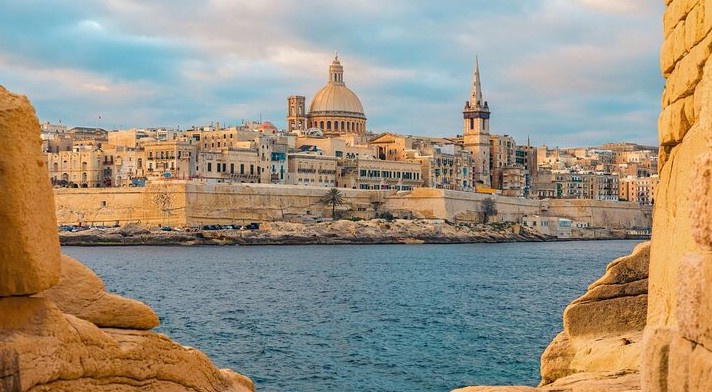
Today’s Malta stands as one of the most successful examples of post-colonial development in the Mediterranean. From a colonial dependency with limited prospects, Malta has transformed into a prosperous European nation with a diverse economy and an active international presence.
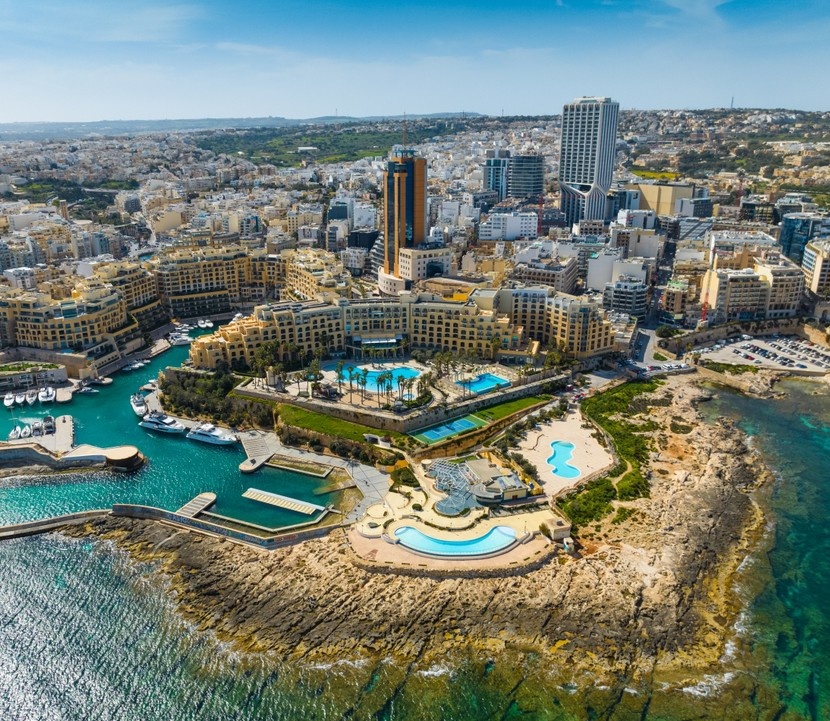

Malta’s GDP per capita now surpasses the European average, and the islands have attained high standards in education, healthcare, and social services. The achievement has been founded on political stability, strategic investment in essential sectors, and the capacity to adapt to shifting global conditions.
The preservation of Malta’s unique cultural heritage alongside successful modernisation demonstrates that it is possible to maintain one’s identity while embracing change. The Maltese language coexists alongside English and Italian, traditional festivals blend with international cultural events, and historical sites are preserved within a modern urban setting.
Malta’s story keeps unfolding. The islands face new challenges from climate change, technological disruption, and global competition. Yet, their history of resilience, adaptation, and achievement offers confidence that Malta will continue to prosper while preserving its unique character and identity.
GOZO’S UNIQUE DEVELOPMENT PATH
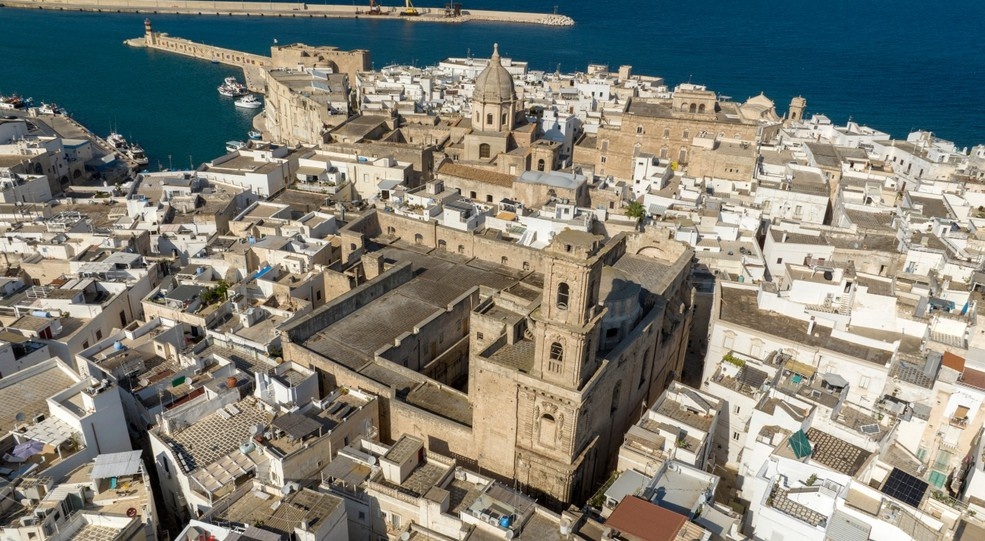
Throughout all periods of Maltese history, Gozo has preserved its unique character while sharing in the wider historical experience of the archipelago. The sister island’s smaller size, more rural nature, and stronger traditional culture have fostered distinct development patterns that complement Malta’s evolution.
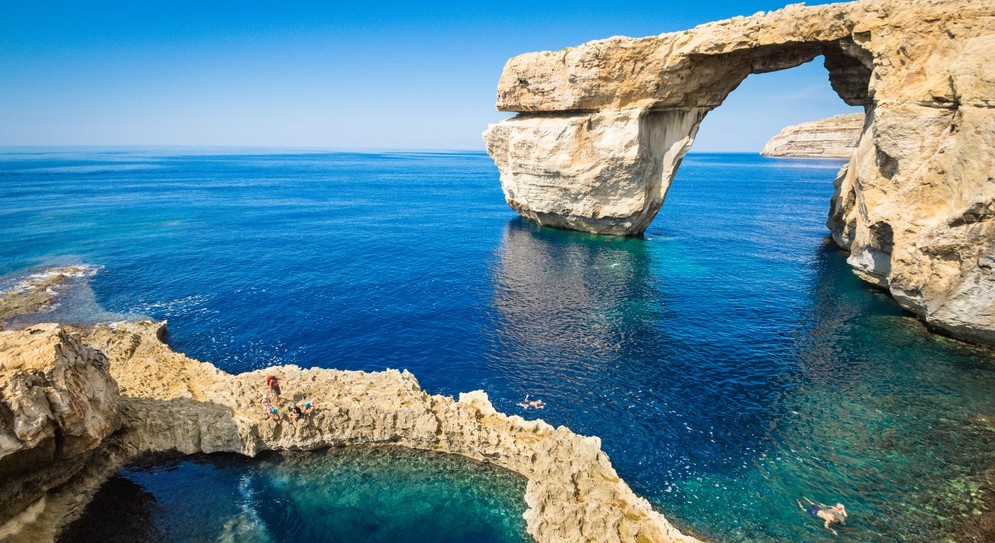
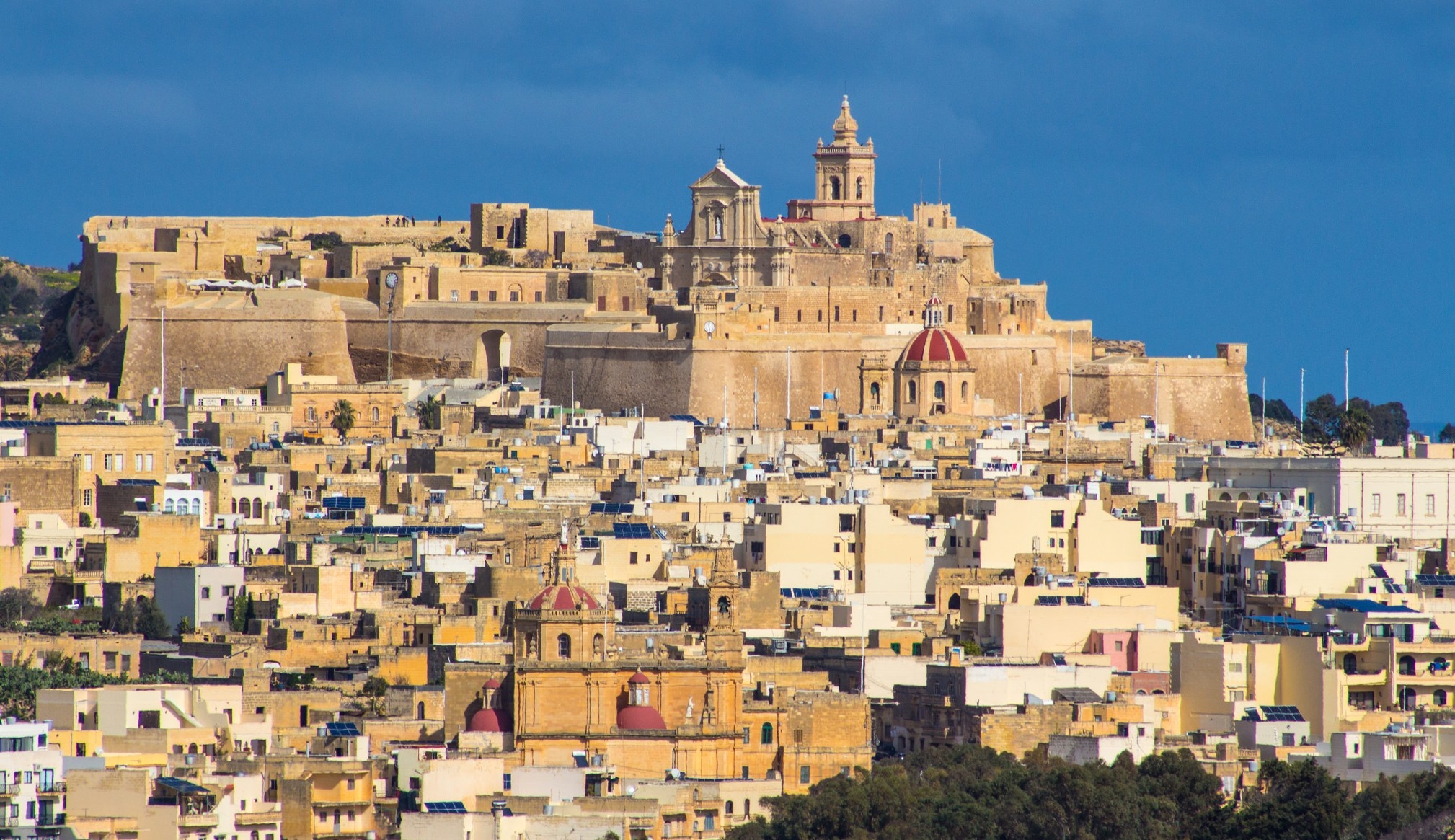
Modern Gozo has established its own economic specialisations, especially in tourism, agriculture, and crafts. The island’s UNESCO recognition as a potential World Heritage site reflects its exceptional landscape and cultural values. Gozo’s development as an eco-tourism destination leverages its rural character and traditional way of life.
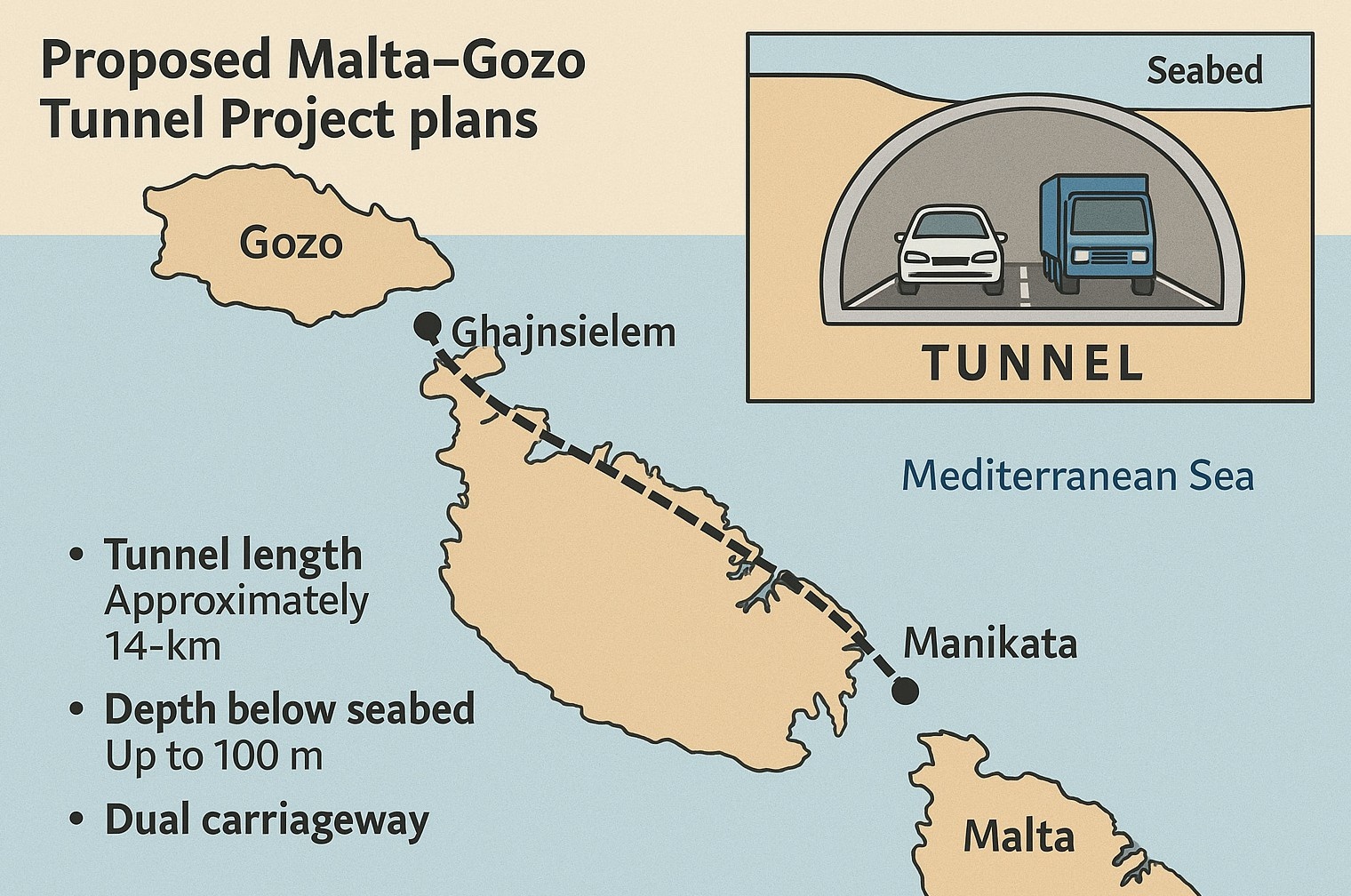
The tunnel project connecting Malta and Gozo, currently under consideration, marks the latest development in the relationship between the two islands. The project would transform Gozo’s economy and society while requiring careful planning to maintain the island’s unique character.
Gozo’s role in Malta’s future reflects broader themes in the islands’ history: the balance between change and continuity, the relationship between local identity and external influences, and the challenge of preserving distinctive cultures within a globalised world.
CONCLUSION: MALTA’S ENDURING LEGACY
The history of Malta and Gozo spans over 7,000 years and encompasses some of the most dramatic and significant events in Mediterranean and global history. From the mysterious temple builders to the modern European nation, the islands have shown remarkable resilience, adaptability, and cultural ingenuity.
Malta’s strategic location has been both a blessing and a curse, offering opportunities and prosperity, but also leading to conflict and domination. The islands’ ability to endure and prosper despite repeated invasions and challenges reflects the resilience and resolve of their people. Each phase of foreign rule has left its imprint, yet Malta has consistently shown its capacity to absorb influences while retaining its unique identity.
The architectural heritage of Malta narrates the story of these diverse influences. Prehistoric temples, Roman mosaics, Arab architectural features, Norman churches, Knights’ palaces, British colonial buildings, and modern European structures form a distinctive urban and rural landscape that reflects the islands’ complex history.
The Maltese language reflects the islands’ cultural blend. As the only Semitic language written in Latin script and recognised as an official language in the European Union, Maltese demonstrates the successful preservation of indigenous culture amid ongoing change and external influences.
Malta’s modern success as an independent European nation shows that small islands can prosper in today’s world. The islands’ development of niche economic sectors, preservation of cultural heritage, and active international involvement offer a model for other small states facing similar issues.
The story of Malta and Gozo continues to develop. Climate change, technological advancements, and global integration present new challenges and opportunities. Nevertheless, the islands’ long history of adaptation and achievement gives confidence that Malta will continue to evolve while maintaining the unique character that sets it apart in the Mediterranean.
From the temple builders who created the world’s first monumental architecture to the modern Maltese who have established a prosperous European democracy, the story of Malta and Gozo highlights the power of human creativity, resilience, and determination. The islands remain what they have always been: a crossroads of civilisations, a bridge between worlds, and a testament to the enduring human capacity to find meaning and create beauty in the face of challenge and change.
In an age of globalisation and rapid change, Malta’s story offers hope that distinctive cultures and identities can not only survive but thrive. The islands’ success in balancing tradition and modernity, as well as local identity and international engagement, provides lessons relevant far beyond their limestone shores. Malta and Gozo stand as proof that geography is not destiny, that small can be beautiful, and that the human spirit can triumph over the most significant challenges history can present.
This comprehensive history of Malta and Gozo, spanning from prehistoric times to the present day, represents the remarkable journey of these Mediterranean islands through seven millennia of human civilisation. The story continues to be written by each new generation of Maltese and Gozitan people, adding new chapters to one of the world’s most extraordinary historical narratives.
….CONCLUDED