CHAPTER 7: FRENCH OCCUPATION AND THE RISE OF BRITISH INTEREST (1798-1800 CE)
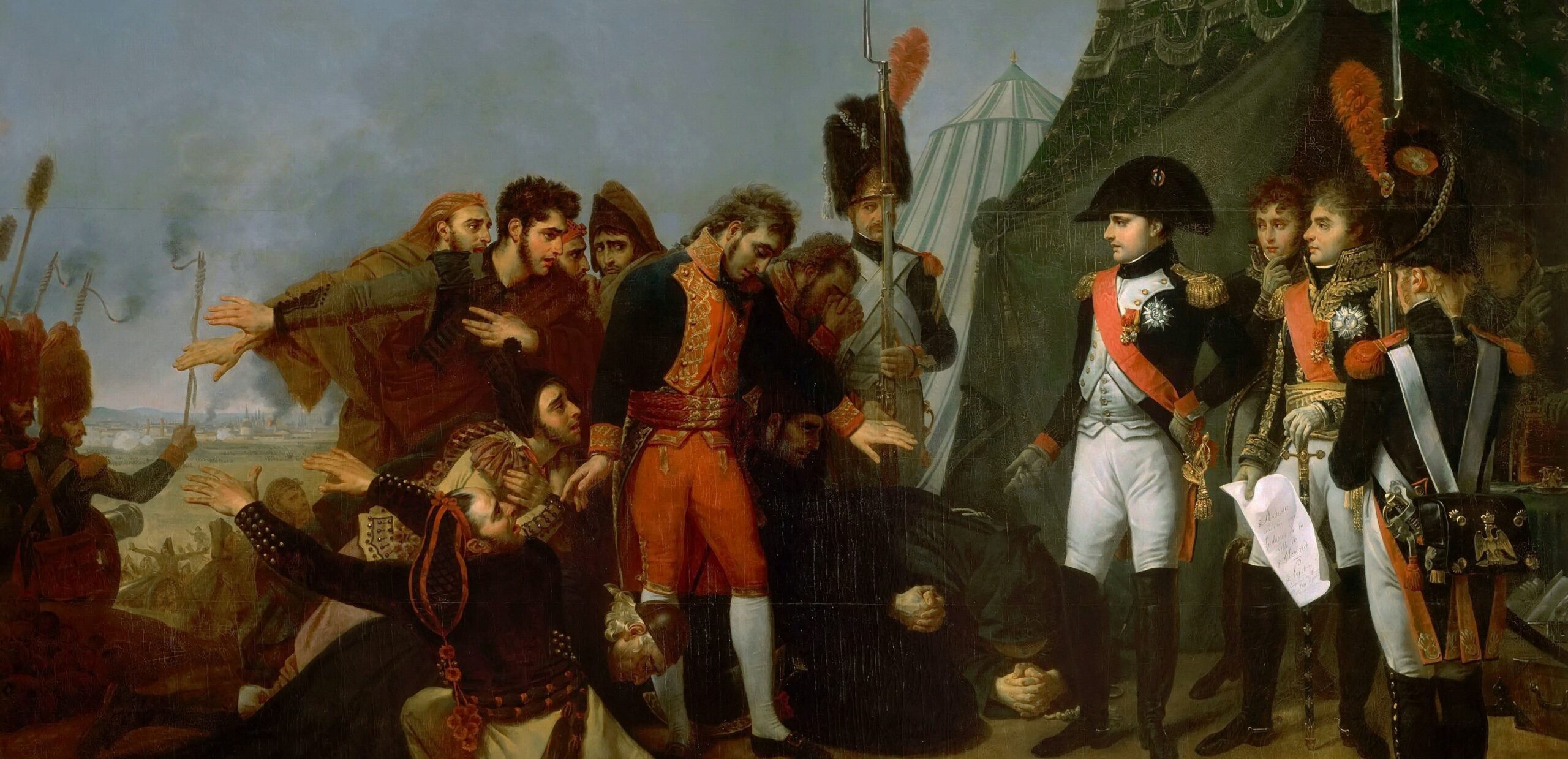
Napoleon Bonaparte’s decision to seize Malta in June 1798 was motivated by strategic considerations that went beyond the islands themselves. The French Directory had sanctioned Napoleon’s Egyptian expedition to pose a threat to British interests in India and the Eastern Mediterranean. Malta, with its vital location and strong harbours, was crucial to this plan as a secure base for French operations.
Napoleon arrived in Malta on 9 June 1798 with a large fleet of 472 ships carrying 54,000 troops. The force was supposedly heading to Egypt, but Napoleon had been planning to seize Malta for months. He recognised that controlling the islands would give France a vital naval base and prevent the British from accessing one of the most strategic locations in the Mediterranean.
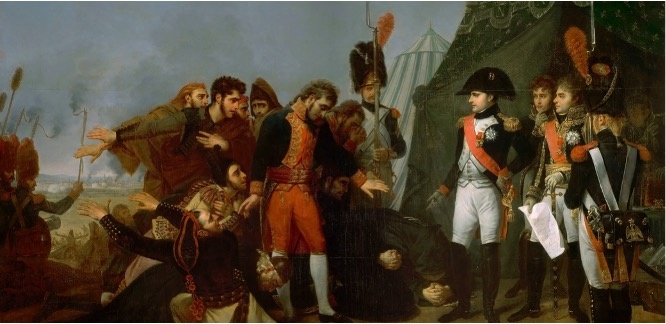
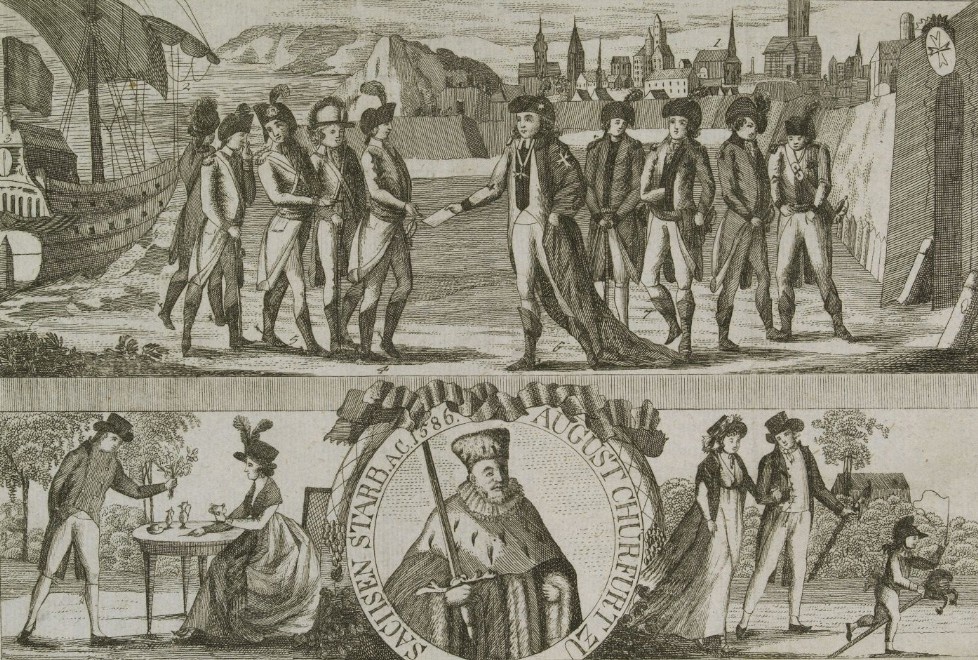
The French occupation of Malta was carried out with notable ease. Grand Master Ferdinand von Hompesch, confronted with a vastly superior force and lacking sufficient defences, surrendered after a show of resistance. The capitulation was formalised in a convention signed on 12 June 1798, which granted the French overall control of the islands while ensuring the safety of the Knights and the continuation of the Catholic faith.
Napoleon’s brief stay in Malta (he departed on June 19, 1798, after just seven days) was characterised by a systematic dismantling of the Knights’ political, economic, and social systems. The French occupation signified not merely a change of government but a revolutionary transformation aimed at aligning Malta with the principles of the French Revolution.
The new French administration, led by General Claude-Henri Belgrand de Vaubois, immediately began implementing radical reforms. The Order of St. John was dissolved, its properties confiscated, and its members expelled from the islands. The French abolished the feudal system that had governed Malta for centuries and proclaimed the principles of liberty, equality, and fraternity as the foundations of the new order.
Napoleon Bonaparte’s decision to seize Malta in June 1798 was motivated by strategic considerations that went beyond the islands themselves. The French Directory had sanctioned Napoleon’s Egyptian expedition to pose a threat to British interests in India and the Eastern Mediterranean. Malta, with its vital location and strong harbours, was crucial to this plan as a secure base for French operations.
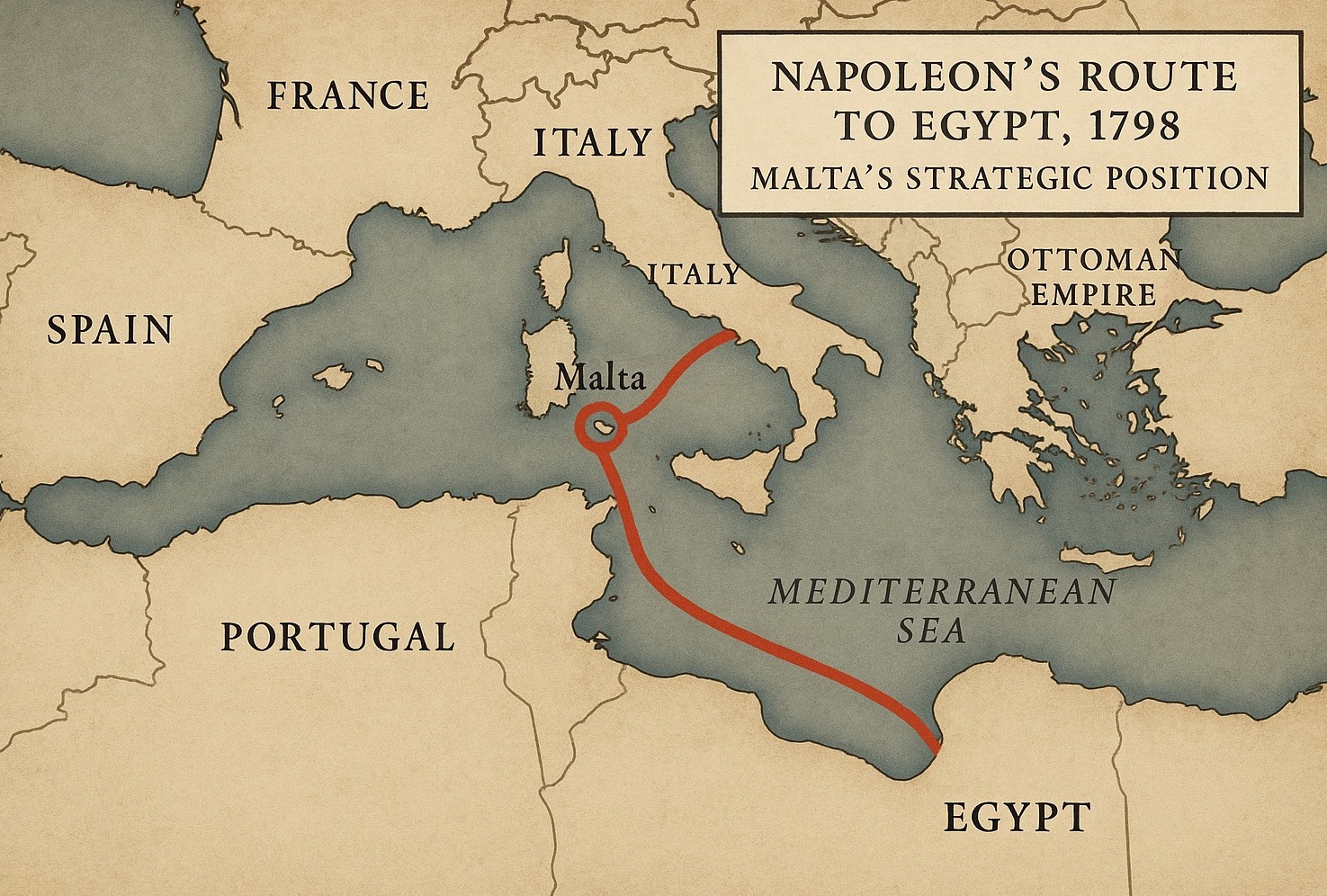
Napoleon arrived in Malta on 9 June 1798 with a large fleet of 472 ships carrying 54,000 troops. The force was supposedly heading to Egypt, but Napoleon had been planning to seize Malta for months. He recognised that controlling the islands would give France a vital naval base and prevent the British from accessing one of the most strategic locations in the Mediterranean.
The French occupation of Malta was carried out with notable ease. Grand Master Ferdinand von Hompesch, confronted with a vastly superior force and lacking sufficient defences, surrendered after a show of resistance. The capitulation was formalised in a convention signed on 12 June 1798, which granted the French overall control of the islands while ensuring the safety of the Knights and the continuation of the Catholic faith.
THE SYSTEMATIC DISMANTLING OF THE OLD ORDER
Napoleon’s brief stay in Malta (he departed on June 19, 1798, after just seven days) was characterised by a systematic dismantling of the Knights’ political, economic, and social systems. The French occupation signified not merely a change of government but a revolutionary transformation aimed at aligning Malta with the principles of the French Revolution.
The new French administration, led by General Claude-Henri Belgrand de Vaubois, immediately began implementing radical reforms. The Order of St. John was dissolved, its properties confiscated, and its members expelled from the islands. The French abolished the feudal system that had governed Malta for centuries and proclaimed the principles of liberty, equality, and fraternity as the foundations of the new order.
THE GREAT REVOLT OF 1798
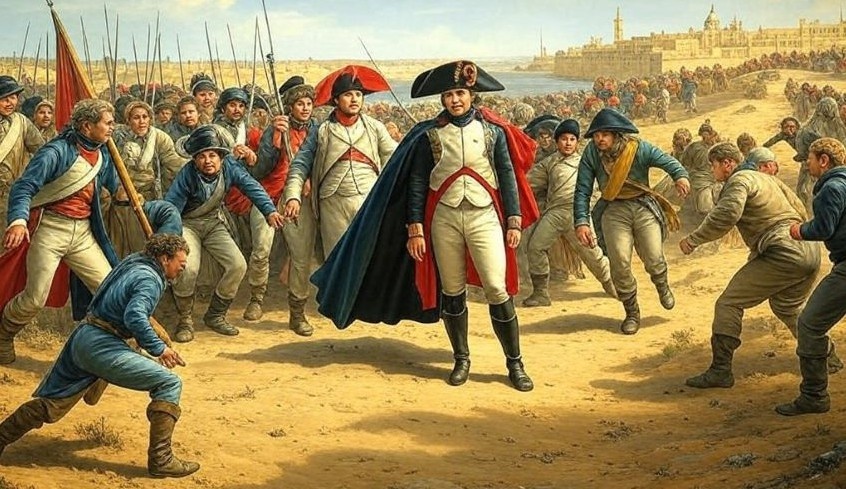
The Maltese uprising of September 1798 was a significant demonstration of popular resistance against foreign occupation. The revolt began in Malta’s rural areas, where traditional religious and social structures were strongest, and quickly spread throughout the entire archipelago.
The rebels, known as the “Maltese Patriots,” established a sophisticated resistance movement. They formed a National Assembly, chose Canon Francesco Saverio Caruana as their leader, and declared their intention to oppose French rule until their traditional rights and freedoms were reinstated. The movement was notable for combining popular participation with elite leadership, uniting peasants, artisans, clergy, and nobility in a common cause.
The military aspects of the revolt were equally impressive. The Maltese rebels, despite lacking formal military training, exhibited remarkable tactical skill and bravery. They successfully besieged the French garrison in Valletta, controlled the countryside, and established effective communication networks between Malta and Gozo. The rebels also showed great ingenuity in acquiring weapons and supplies, often capturing French equipment and improvising defensive positions.
The success of the revolt was partly due to its religious character. The Maltese portrayed their resistance as a holy war against godless revolutionaries, with the Catholic Church providing both moral guidance and practical support. Priests served as military leaders, churches became centres of resistance planning, and religious ceremonies strengthened the rebels’ morale and unity.
The success of the revolt was partly due to its religious nature. The Maltese depicted their resistance as a holy war against godless revolutionaries, with the Catholic Church offering both moral authority and practical aid. Priests acted as military leaders, churches became hubs of resistance planning, and religious ceremonies boosted the rebels’ morale and solidarity.
The Maltese uprising of September 1798 was a significant demonstration of popular resistance against foreign occupation. The revolt began in Malta’s rural areas, where traditional religious and social structures were strongest, and quickly spread throughout the entire archipelago.
The rebels, known as the “Maltese Patriots,” established a sophisticated resistance movement. They formed a National Assembly, chose Canon Francesco Saverio Caruana as their leader, and declared their intention to oppose French rule until their traditional rights and freedoms were reinstated. The movement was notable for combining popular participation with elite leadership, uniting peasants, artisans, clergy, and nobility in a common cause.
The military aspects of the revolt were equally impressive. The Maltese rebels, despite lacking formal military training, exhibited remarkable tactical skill and bravery. They successfully besieged the French garrison in Valletta, controlled the countryside, and established effective communication networks between Malta and Gozo. The rebels also showed great ingenuity in acquiring weapons and supplies, often capturing French equipment and improvising defensive positions.
The success of the revolt was partly due to its religious character. The Maltese portrayed their resistance as a holy war against godless revolutionaries, with the Catholic Church providing both moral guidance and practical support. Priests served as military leaders, churches became centres of resistance planning, and religious ceremonies strengthened the rebels’ morale and unity.
The success of the revolt was partly due to its religious nature. The Maltese depicted their resistance as a holy war against godless revolutionaries, with the Catholic Church offering both moral authority and practical aid. Priests acted as military leaders, churches became hubs of resistance planning, and religious ceremonies boosted the rebels’ morale and solidarity.
The Maltese revolt attracted the attention of the British, who saw an opportunity to seize Malta’s strategic position. The British had been increasingly concerned about French activities in the Mediterranean, and the chance to prevent France from gaining Malta was simply too good to miss.
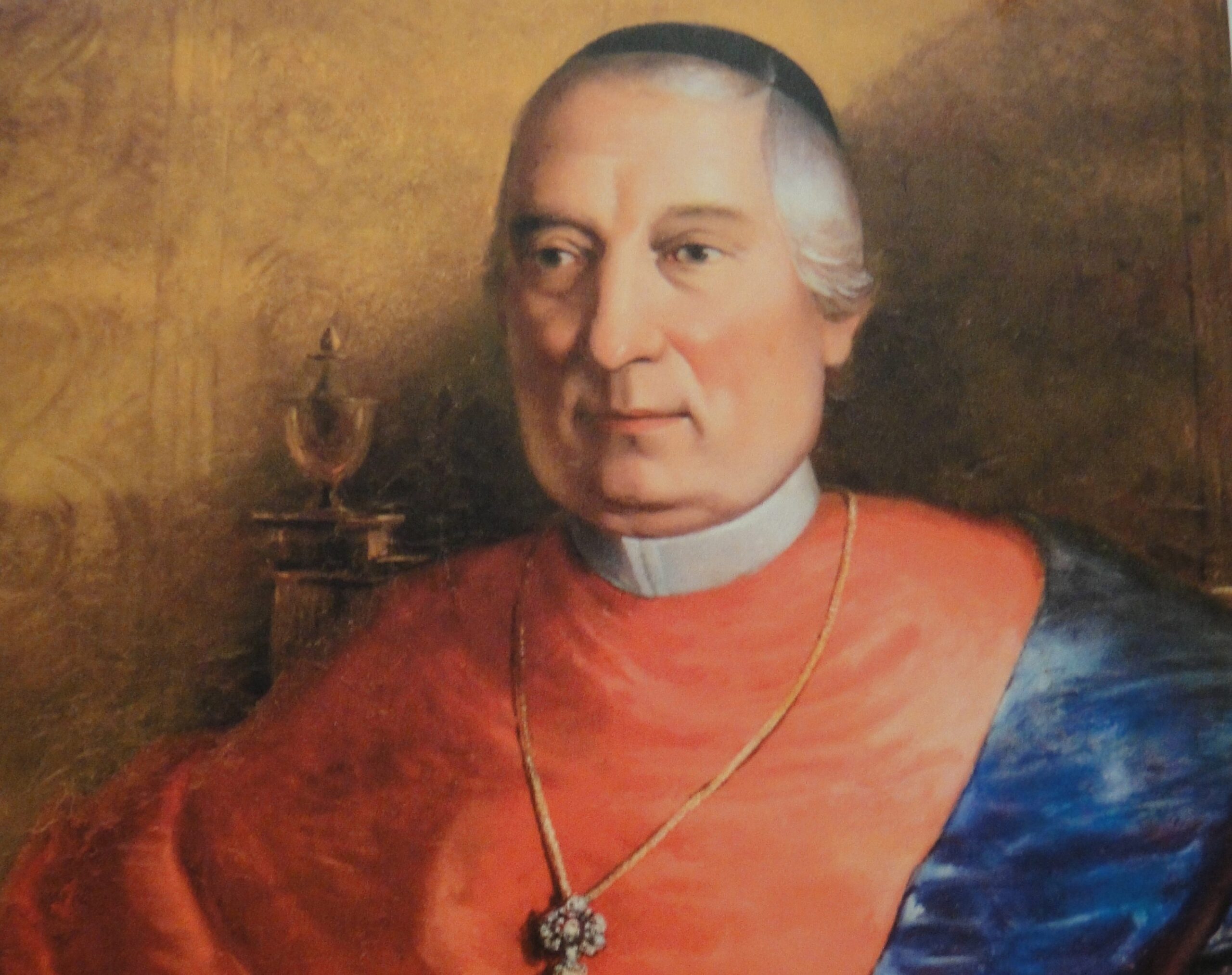
The rebels, known as the “Maltese Patriots,” established a sophisticated resistance movement. They formed a National Assembly, chose Canon Francesco Saverio Caruana as their leader, and declared their intention to oppose French rule until their traditional rights and freedoms were reinstated. The movement was notable for combining popular participation with elite leadership, uniting peasants, artisans, clergy, and nobility in a common cause.
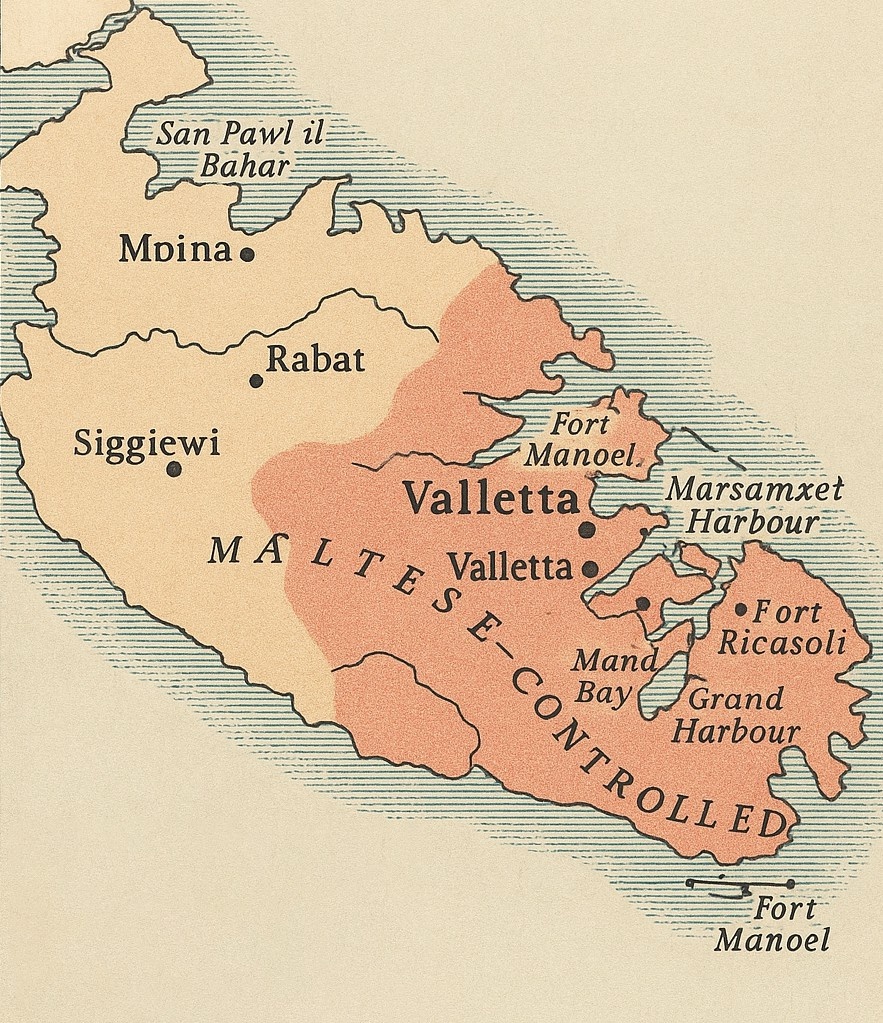
The military aspects of the revolt were equally impressive. The Maltese rebels, despite lacking formal military training, exhibited remarkable tactical skill and bravery. They successfully besieged the French garrison in Valletta, controlled the countryside, and established effective communication networks between Malta and Gozo. The rebels also showed great ingenuity in acquiring weapons and supplies, often capturing French equipment and improvising defensive positions.
The success of the revolt was partly due to its religious character. The Maltese portrayed their resistance as a holy war against godless revolutionaries, with the Catholic Church providing both moral guidance and practical support. Priests served as military leaders, churches became centres of resistance planning, and religious ceremonies strengthened the rebels’ morale and unity.
The success of the revolt was partly due to its religious nature. The Maltese depicted their resistance as a holy war against godless revolutionaries, with the Catholic Church offering both moral authority and practical aid. Priests acted as military leaders, churches became hubs of resistance planning, and religious ceremonies boosted the rebels’ morale and solidarity.
BRITISH INTEREST AND INTERVENTION
The Maltese revolt attracted the attention of the British, who saw an opportunity to seize Malta’s strategic position. The British had been increasingly concerned about French activities in the Mediterranean, and the chance to prevent France from gaining Malta was simply too good to miss.
The British response was initially cautious. Admiral Lord Nelson, who commanded the British Mediterranean fleet, was hesitant to dedicate significant resources to Malta while pursuing the French fleet towards Egypt. However, as Malta’s strategic importance became clear, British policy shifted to actively supporting the Maltese rebels.
The British began offering military aid to the Maltese in early 1799. They supplied weapons, ammunition, and military advisors, and established a naval blockade to prevent French reinforcements from reaching the islands. The British also provided financial support, helping sustain the rebellion during its most difficult periods.
The British intervention was driven by strategic reasons that extended beyond Malta itself. Gaining control of Malta would provide Britain with a crucial naval base in the central Mediterranean, hinder French communications with Egypt, and enhance British influence across the region. The opportunity to secure these benefits while supporting a popular rebellion against French rule was too significant to ignore.
THE SIEGE OF VALLETTA
The core of the French-Maltese conflict was the siege of Valletta, which lasted from September 1798 to September 1800. The French garrison, commanded by General Vaubois, controlled the fortified city and its harbour, while the Maltese rebels, with increasing British support, controlled the countryside and maintained the siege.
THE END OF FRENCH RULE
The French occupation of Malta ended on September 5, 1800, when General Vaubois finally surrendered to the combined British and Maltese forces. The surrender resulted from a successful siege that had left the French garrison in desperate circumstances. The French troops, weakened by disease and starvation, were unable to continue resisting.
The terms of capitulation were negotiated between the British and French commanders, with the Maltese relegated to a secondary role despite their vital contribution to the victory. The French garrison was allowed to depart with honours of war, and their personal belongings were protected. However, all military equipment, fortifications, and government property were handed over to the British.
The end of French rule marked the beginning of a new chapter in Maltese history. The islands had successfully resisted one of Europe’s most powerful military forces through a combination of popular resistance, religious unity, and British backing. This experience transformed Maltese society, leading to new political structures and a tradition of resisting foreign control.
Nevertheless, the victory also brought new challenges. The British, who had supported the Maltese rebellion, now found themselves in control of the islands. The question of Malta’s future political status – whether it would be restored to the Knights, granted independence, or incorporated into the British Empire – would dominate the next chapter of Maltese history.
The French occupation, though short, had lasting effects on Malta. It permanently ended the Knights’ rule, introduced modern administrative and legal ideas, and highlighted the islands’ strategic importance to European powers. Most importantly, it fostered a sense of Maltese national identity that would influence the islands’ political growth throughout the 19th and 20th centuries.
….continued in part 4