Babylon: A Glimpse into the Ancient Mesopotamian Splendor
Located in the heart of Mesopotamia, the ancient city of Babylon stands as a testament to the grandeur and innovation of the Babylonian civilization. From its towering ziggurats to its legendary Hanging Gardens, Babylon has captured the imagination of historians, archaeologists, and enthusiasts alike. Let’s delve into the rich history, culture, and legacy of this remarkable city.
Discovering Babylonian Innovations
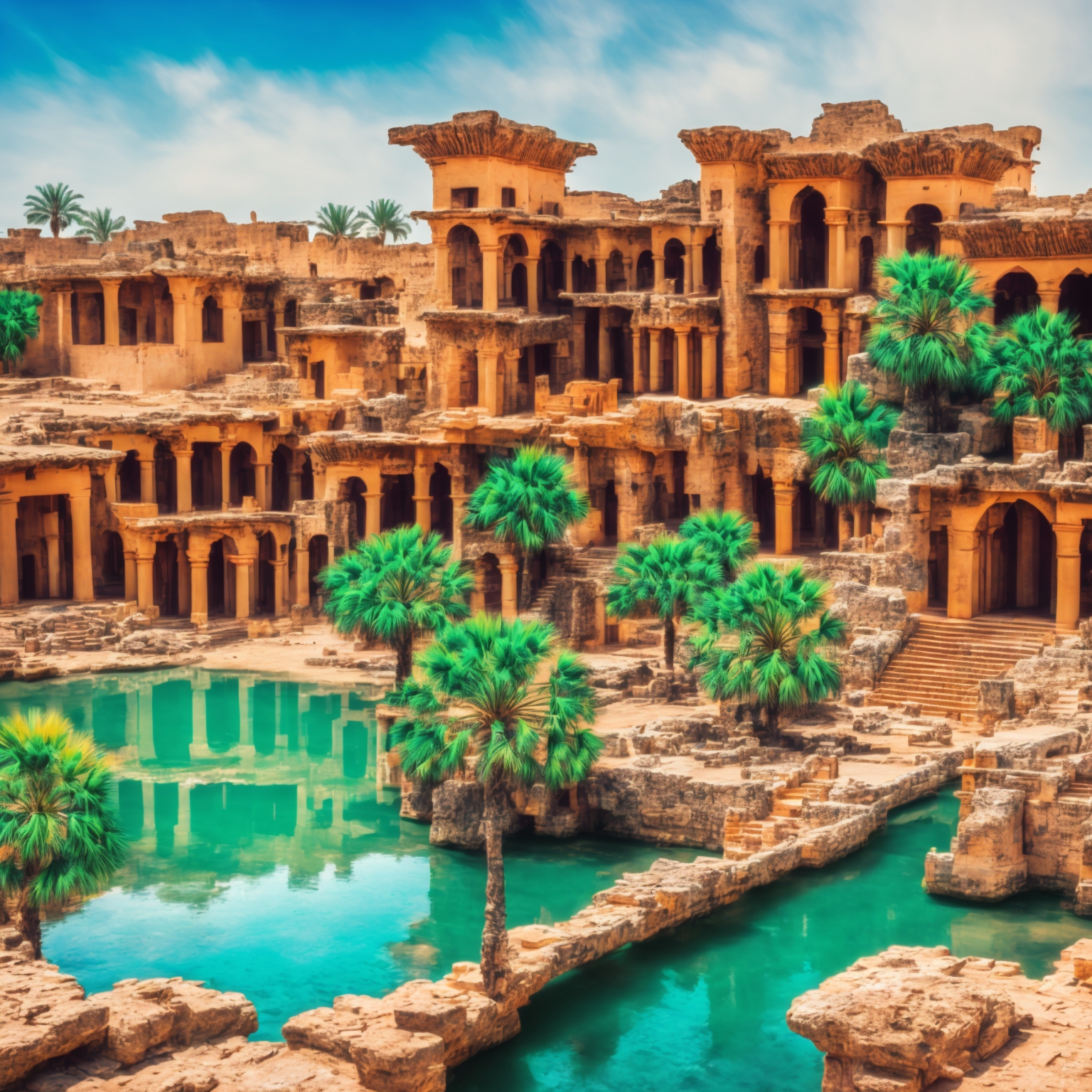
The Ancient Babylonians were pioneers in various fields, including mathematics, astronomy, and law. One of the most famous contributions of Babylonian culture is the Code of Hammurabi, a comprehensive legal code established by King Hammurabi of Babylon. This code, dating back to around 1754 BC, is one of the earliest known sets of laws and provides valuable insights into Babylonian society and justice system.
The Rise of Babylon: A Brief History
Babylon’s history dates back to the 3rd millennium BC when it was a small Akkadian town. Over the centuries, it grew in importance and power, eventually becoming the capital of the Babylonian Empire under Hammurabi’s rule. The city reached its peak during the Neo-Babylonian period, with King Nebuchadnezzar II overseeing a period of great prosperity and architectural achievements.
Unveiling Babylonian Culture and Religion
Babylonian culture was rich and diverse, with a strong emphasis on art, literature, and religion. The Babylonians worshipped a pantheon of gods and goddesses, with Marduk being the chief deity. Temples and ziggurats were central to Babylonian religious practices, serving as places of worship and ritual ceremonies.
Architectural Marvels of Babylon
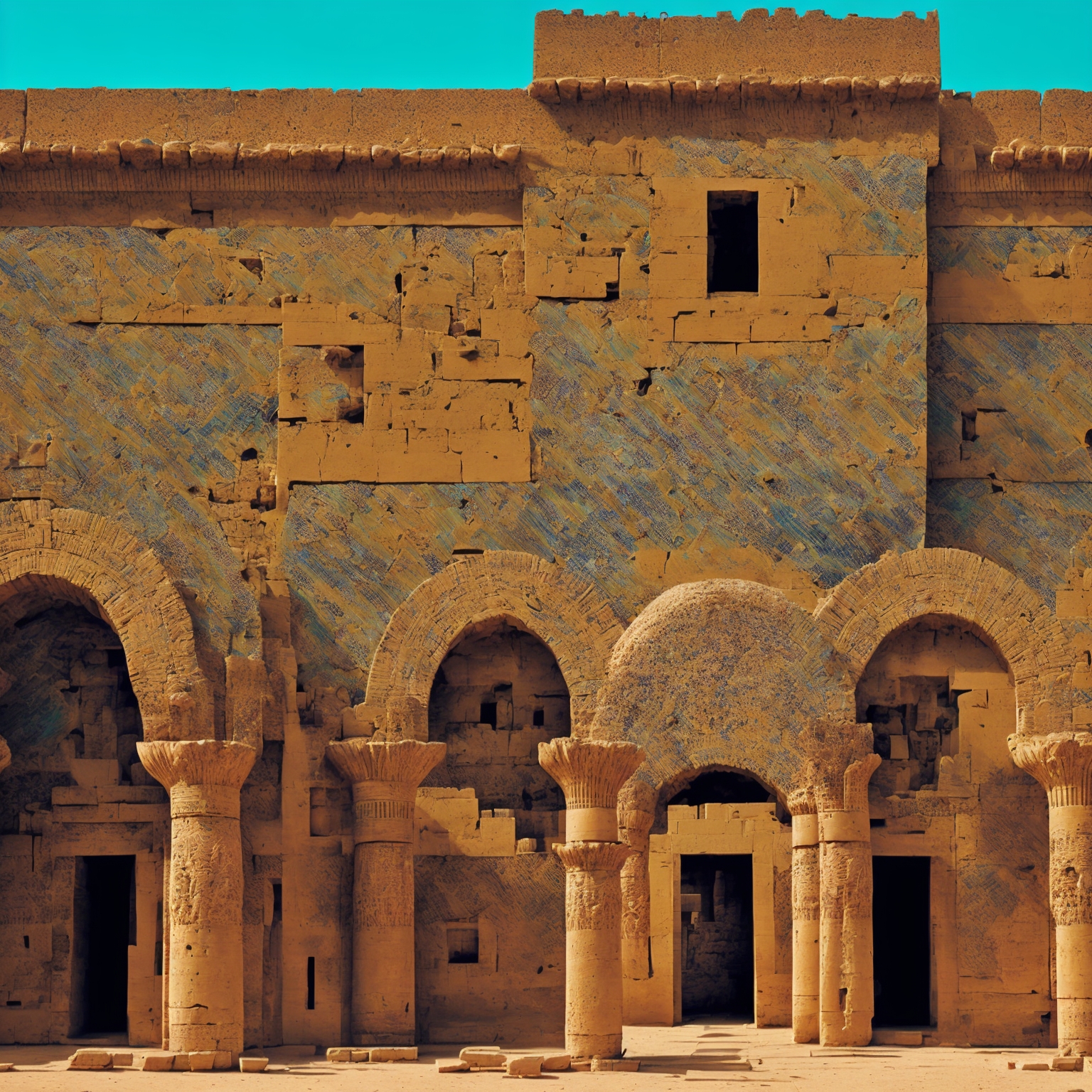
Babylon was renowned for its impressive architecture, with the city’s walls, gates, and palaces showcasing the skills and ingenuity of its builders. The most famous of Babylon’s architectural wonders was the Hanging Gardens, one of the Seven Wonders of the Ancient World. Believed to have been built by King Nebuchadnezzar II for his wife, the gardens were a stunning feat of engineering and design, featuring terraced gardens, exotic plants, and intricate irrigation systems.
Rediscovering Babylon: The Excavation of Babylonian Ruins
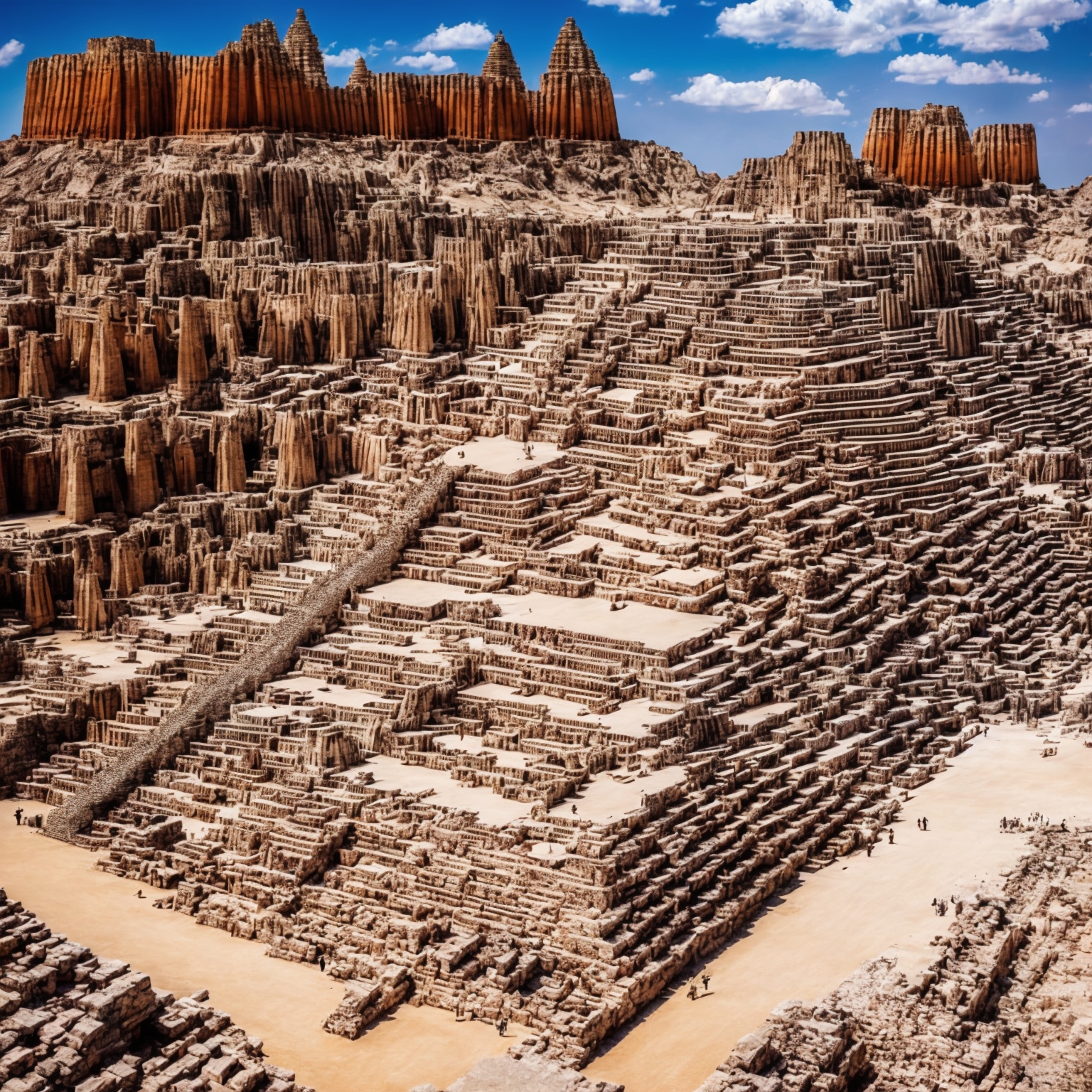
In the 19th and 20th centuries, archaeologists began uncovering the ruins of ancient Babylon, shedding new light on this once-mighty city. Excavations have revealed the remains of temples, palaces, and defensive walls, offering valuable insights into Babylonian urban planning and daily life. The Ishtar Gate, adorned with glazed brick reliefs of dragons and bulls, is one of the most iconic discoveries from Babylon’s past.
Conclusion: Preserving the Legacy of Babylon
As we explore the wonders of ancient Babylon, we are reminded of the enduring legacy of this remarkable civilization. From its innovative legal system to its awe-inspiring architecture, Babylon continues to captivate and inspire us today. By studying and preserving the treasures of Babylon, we can ensure that future generations can appreciate the achievements and contributions of this ancient Mesopotamian city.