CHAPTER 8: BRITISH COLONIAL RULE – THE IMPERIAL PERIOD (1800-1964 CE)
THE ESTABLISHMENT OF BRITISH RULE
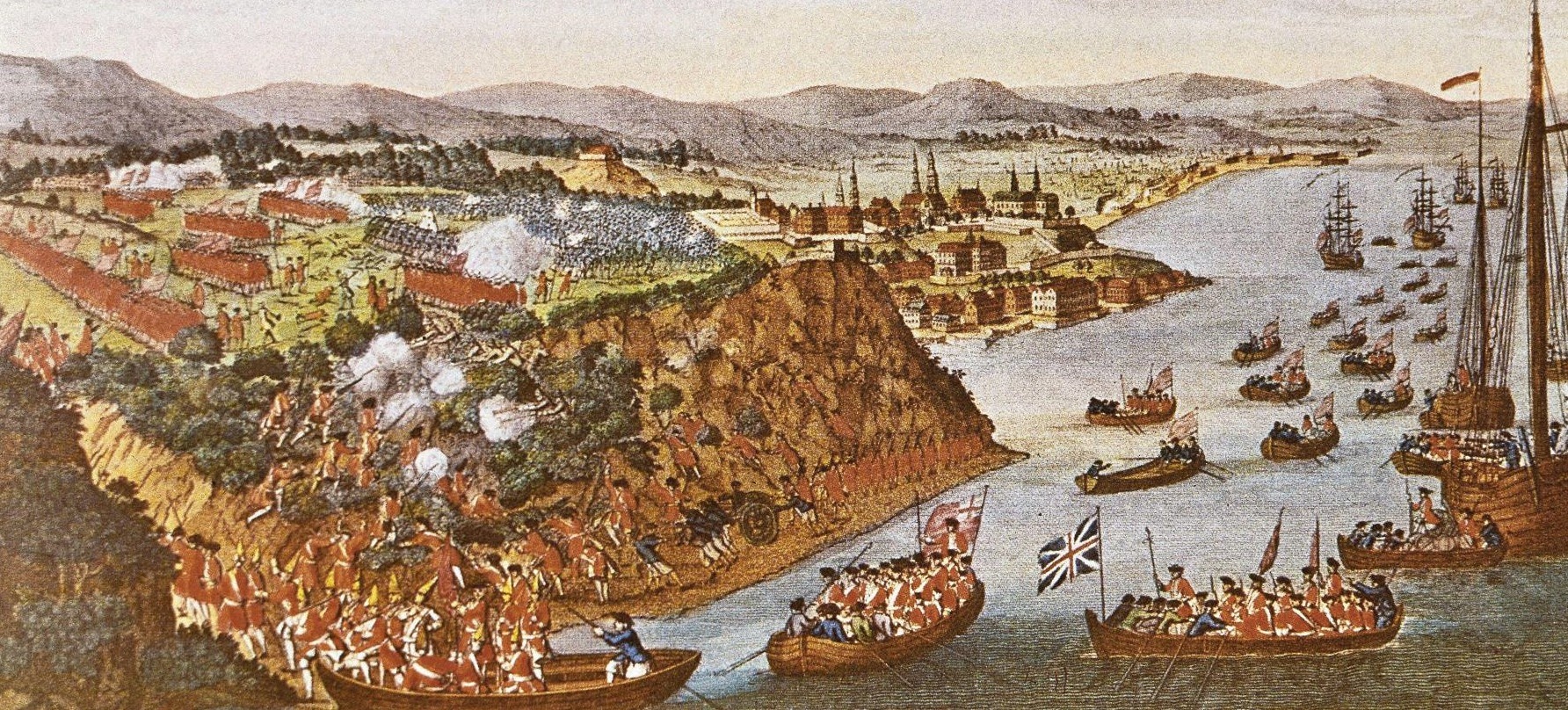
The British occupation of Malta after the French surrender in 1800 was initially meant as a temporary measure. However, the islands’ strategic importance soon became clear to British policymakers, and what started as a military occupation transformed into formal colonial rule that would last for 164 years.
The Treaty of Amiens in 1802 initially arranged for Malta to return to the Order of St. John under the guarantee of European powers. However, the British government, recognising the islands’ vital strategic importance, declined to honour this clause when hostilities with France resumed. The Treaty of Paris in 1814 officially transferred Malta to Britain, making the islands a crown colony within the British Empire.
The early period of British rule was marked by careful consolidation of authority and the establishment of new administrative systems. The British preserved many existing institutions while gradually introducing English legal and administrative frameworks. The transition was fairly smooth, partly because the Maltese had welcomed British intervention against the French and partly because the British were attentive to respecting local customs and religious traditions.
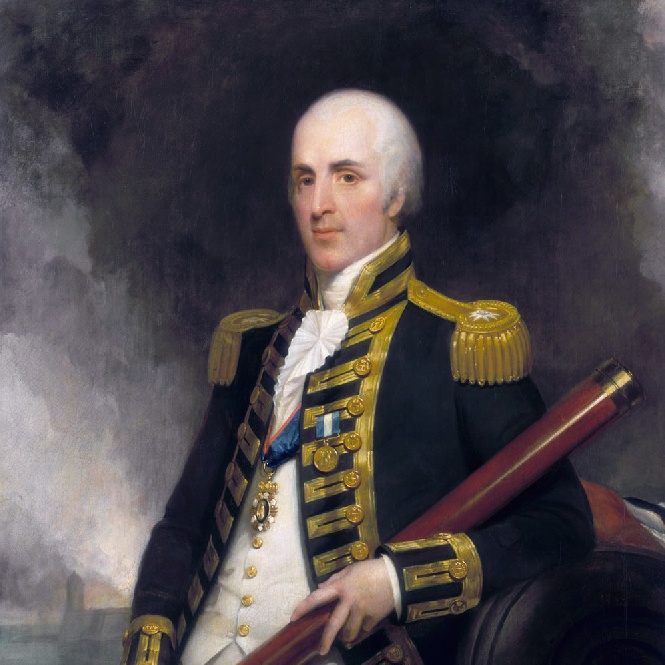
Sir Alexander Ball, the first British civil commissioner, proved to be a capable administrator who earned the trust of the Maltese people. He upheld the Catholic Church’s privileges, maintained existing commercial ties, and gradually introduced British administrative practices without disturbing local traditions. His approach established the tone for British-Maltese relations throughout the colonial era.
MALTA AS THE MEDITERRANEAN FORTRESS
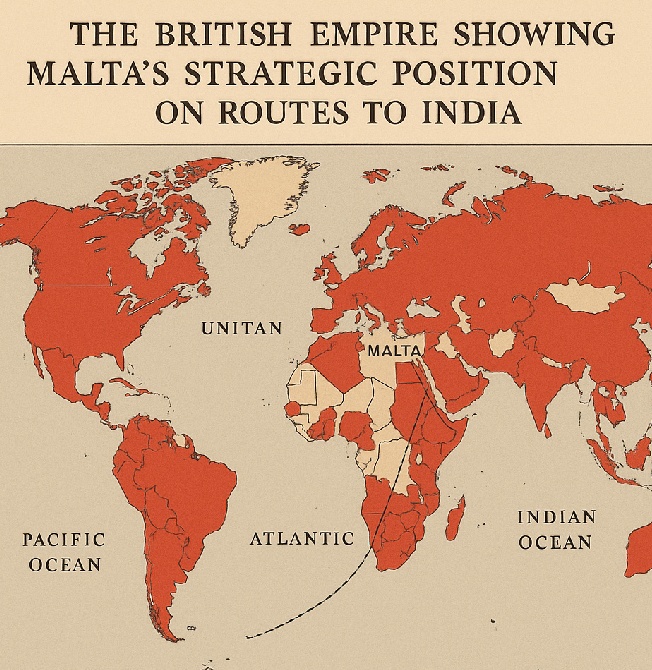
Under British rule, Malta evolved into one of the most formidable naval and military bases in the world. The islands’ strategic location at the heart of the Mediterranean made them essential to British imperial strategy, serving as a crucial link in the network of bases connecting Britain to India and the Far East.
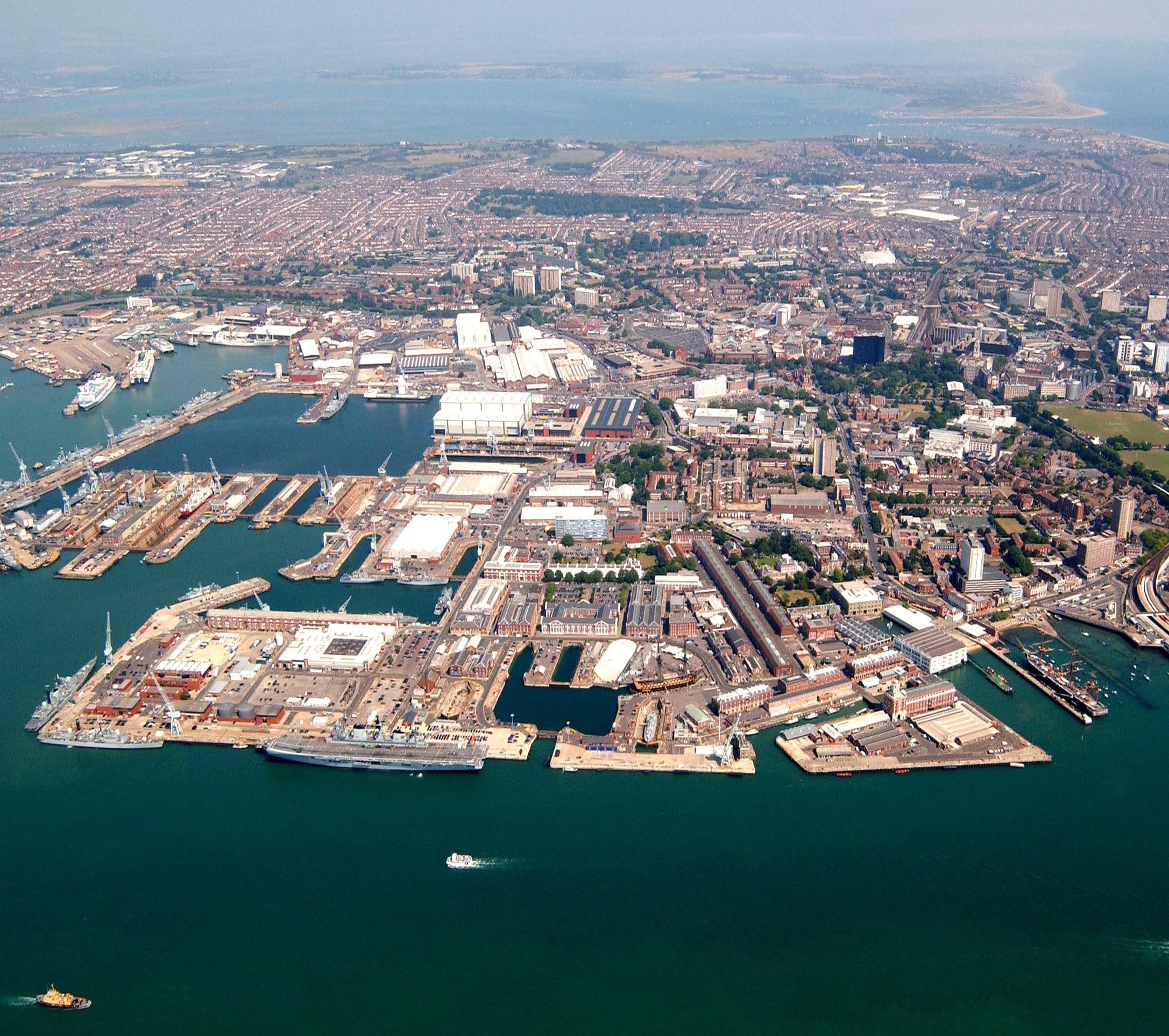
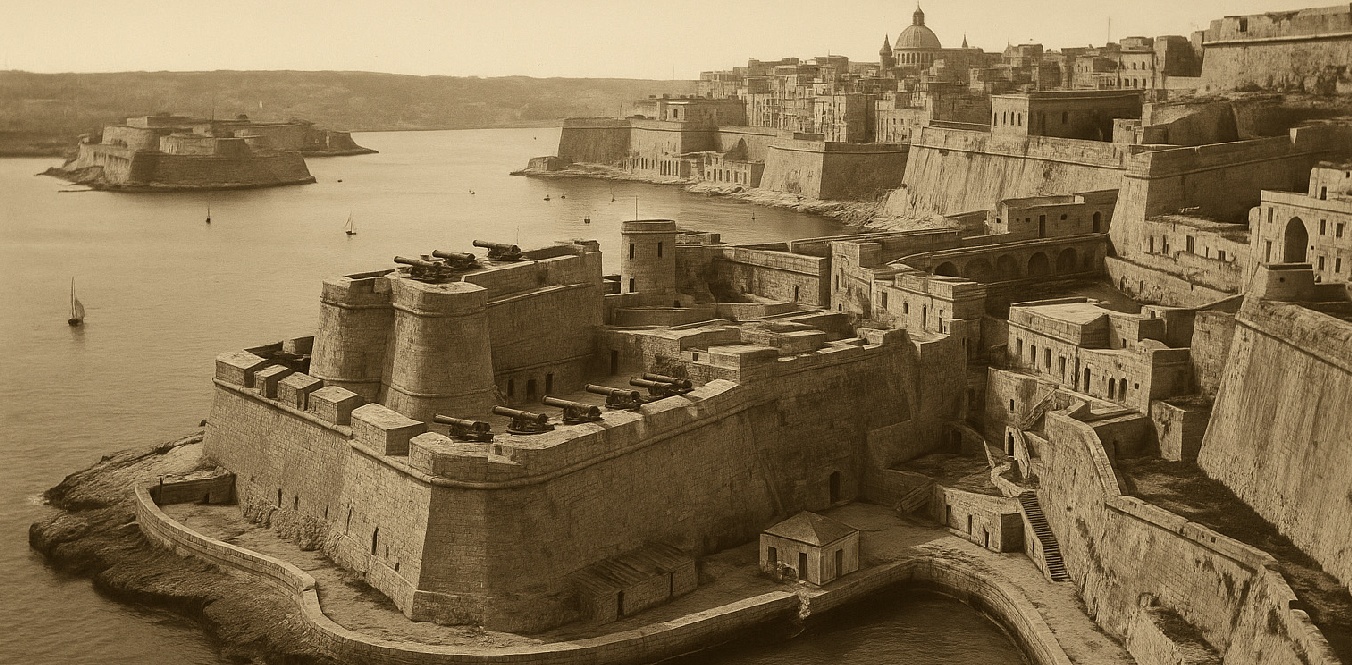
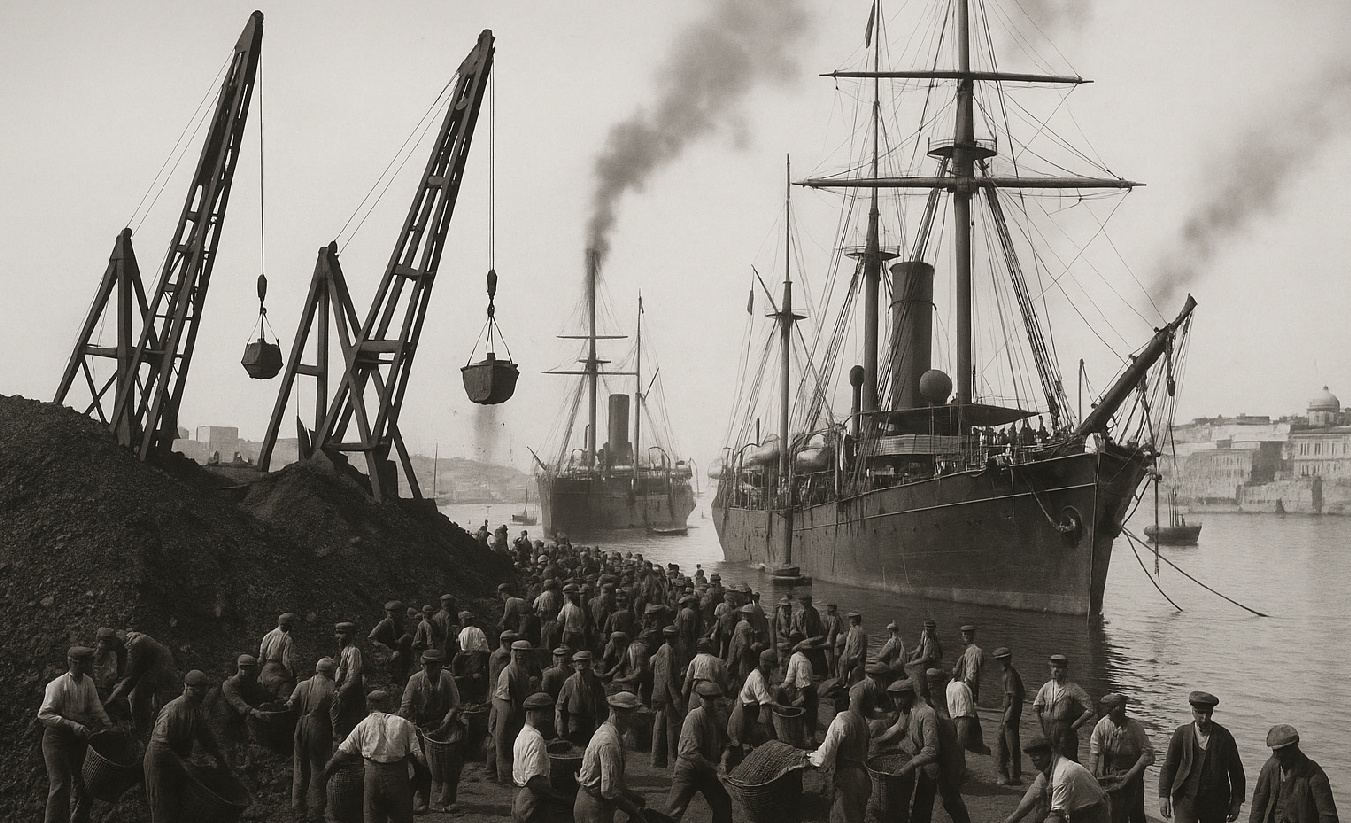
The British invested heavily in Malta’s military infrastructure, expanding and modernising the naval dockyard, constructing new fortifications, and establishing military facilities capable of supporting large-scale operations. The Royal Navy’s Mediterranean Fleet was based in Malta, making the Grand Harbour one of the most significant naval bases in the world.
The military development of Malta had significant economic effects. British military spending became the backbone of the Maltese economy, providing jobs to thousands of locals and supporting a service sector focused on naval and military facilities. The islands’ traditional industries were boosted by new sectors such as ship repair, military supplies, and logistics.
The opening of the Suez Canal in 1869 further increased Malta’s strategic significance. The islands became an essential coaling station for ships travelling between Europe and the East, and their harbours were continually bustling with vessels of all kinds. Malta’s role as a major Mediterranean entrepôt brought prosperity and international connections that transformed local society.
ADMINISTRATIVE DEVELOPMENT AND CONSTITUTIONAL EVOLUTION
The British gradually built a refined administrative system in Malta that balanced imperial oversight with local participation. The initial military rule was replaced by a civil administration consisting of both British officials and Maltese representatives. Over time, this system evolved to include greater degrees of local self-governance.
The introduction of English legal and administrative systems had lasting long-term effects on Malta. The British established modern courts, adopted English commercial law, and set up professional civil service systems. These reforms modernized Maltese society while opening up new opportunities for education and advancement.
The language issue became a key point in British-Maltese relations. The British promoted English as the language for administration and education, while also supporting Italian as the language of culture and higher studies. Although the Maltese language was spoken by most of the population, it was confined to domestic and informal contexts. This language policy caused tensions that would last throughout the colonial era.
Constitutional development progressed gradually during the 19th century. The British established a Council of Government, which included nominated Maltese members, and later introduced limited elected representation. The Constitution of 1887 created a partially elected legislature, although the British governor retained ultimate authority over policy and administration.
ECONOMIC TRANSFORMATION AND SOCIAL CHANGE
British colonial rule transformed Malta’s economy from a medieval system based on agriculture and traditional crafts into a modern economy integrated within the global imperial system. The islands became heavily reliant on British military expenditure, which provided employment and income for a substantial part of the population.
The development of Malta as a naval base created new economic opportunities. The Royal Navy’s dockyard became one of the largest employers in the Mediterranean, and the skills acquired there made Maltese workers highly sought after across the empire. The military facilities also attracted private investment into supporting industries and services.
However, this economic shift also created vulnerabilities. Malta’s economy became heavily dependent on British military spending, making it vulnerable to changes in imperial policy. The islands’ traditional industries, especially agriculture, declined in prominence as the economy moved towards services and military support.
Social changes were equally important. The British presence created new social hierarchies based on closeness to colonial authority. A new middle class emerged, consisting of professionals, merchants, and civil servants who acted as intermediaries between the colonial government and the local people. Education gradually became more significant as a way to move up socially.
The Catholic Church retained its central role in Maltese society, but its relationship with the colonial government was sometimes strained. The British generally respected Catholic privileges and practices, yet disputes arose over education, marriage laws, and the Church’s political influence. These tensions underscored broader issues concerning the relationship between imperial rule and local traditions.
THE GREAT WAR AND ITS AFTERMATH
World War I marked a crucial point in Malta’s relationship with the British Empire. The islands played an essential role in the war effort, acting as a vital base for operations in the Eastern Mediterranean and the Middle East. The Dardanelles campaign, in particular, relied heavily on Malta’s facilities and strategic position.
Malta’s contribution to the war effort was significant. The islands’ hospitals cared for thousands of wounded soldiers, earning Malta the nickname “the Nurse of the Mediterranean.” The Royal Navy’s operations against the Ottoman Empire were coordinated from Malta, and the islands’ strategic location proved vital to the eventual Allied victory in the Eastern Mediterranean.
The war also brought significant changes to Maltese society. Military service exposed many Maltese to the wider world, while the war economy created new opportunities and difficulties. The experience of contributing to the imperial war effort deepened Maltese identification with the British Empire, while also raising expectations for political recognition and advancement.
The post-war era saw notable constitutional advancements. The Constitution of 1921 granted Malta responsible government over internal affairs, while imperial issues remained under British control. This system, known as dyarchy, represented a significant step forward in Maltese self-governance and recognised the islands’ role in the war effort.
Nevertheless, the new constitutional arrangement also created tensions. The Maltese Parliament, controlled by the Nationalist Party, frequently clashed with the British colonial authorities over language policy, education, and the level of local autonomy. These disputes reflected broader questions about Malta’s future within the British Empire.
THE INTER-WAR CRISIS
The period between the two world wars was characterised by major political and constitutional crises that challenged the relationship between Malta and Britain. The main issue was the level of Maltese self-governance and the extent of the imperial government’s involvement in local matters.
The crisis reached its peak in 1930 when the British government annulled the 1921 Constitution and reinstated direct colonial rule. The immediate trigger was a dispute over language policy and education, but the fundamental issue was the clash between Maltese aspirations for self-governance and British resolve to uphold imperial control.
The suspension of the constitution was followed by a period of direct rule that lasted until 1932. During this period, the British government aimed to tackle the deep-rooted tensions through constitutional reforms and economic progress. Nonetheless, the loss of self-government had a significant effect on Maltese political awareness.
The economic conditions during the inter-war years were challenging. The reduction in military spending after World War I caused unemployment and financial hardships. The British government provided some aid, but the main issue of dependence on military expenditure remained unaddressed.
The rise of fascism in Europe also affected Malta. The islands’ Italian cultural connections fostered sympathy for fascist ideas among parts of the population, while the Catholic Church’s anti-communist stance created complex political alignments. These events added to tensions in an already difficult political landscape.
WORLD WAR II: THE SECOND GREAT SIEGE
World War II brought Malta into the global spotlight and turned the islands into a symbol of bravery and defiance. Malta’s strategic position in the Mediterranean made it a vital target for Axis forces, resulting in what is known as the Second Great Siege of Malta.
The siege started in June 1940 when Italy joined the war and worsened significantly after Germany entered the Mediterranean theatre. For more than two years, Malta endured nearly relentless bombardment, becoming the most heavily bombed place on earth. The islands’ civilian population, alongside the military garrison, showed remarkable courage and resilience despite immense challenges.
The bombing of Malta was unprecedented in its intensity and duration. The islands endured over 3,000 air raids, with some areas subjected to daily bombing for months. The civilian population sought refuge in the islands’ extensive cave systems and underground tunnels, forming an underground society that allowed survival during the worst parts of the siege.
The military situation was just as desperate. Malta’s role as a base for attacks on Axis supply routes to North Africa made it a crucial target for German and Italian forces. The islands’ ability to carry out offensive operations despite being under siege was an impressive achievement that significantly contributed to the Allied victory in North Africa.
The siege reached its height in 1942 when Malta’s situation became desperate. Food, fuel, and ammunition supplies were nearly exhausted, and the islands’ capacity to carry on fighting was in doubt. The arrival of the supply convoy known as Operation Pedestal in August 1942 brought crucial relief and enabled Malta to keep resisting.
THE GEORGE CROSS AND RECOGNITION
In recognition of Malta’s remarkable bravery and sacrifice during World War II, King George VI awarded the George Cross to the entire population of Malta on 15 April 1942. This extraordinary honour acknowledged not only military valour but also the contribution of the civilian population to the war effort.
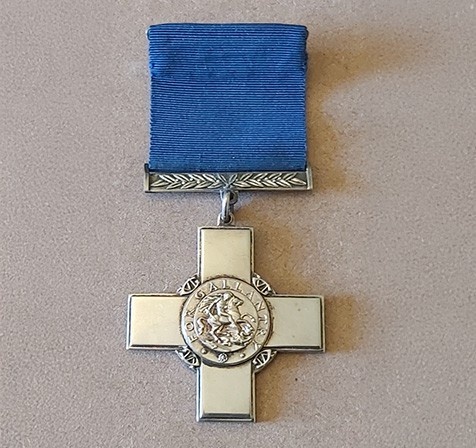
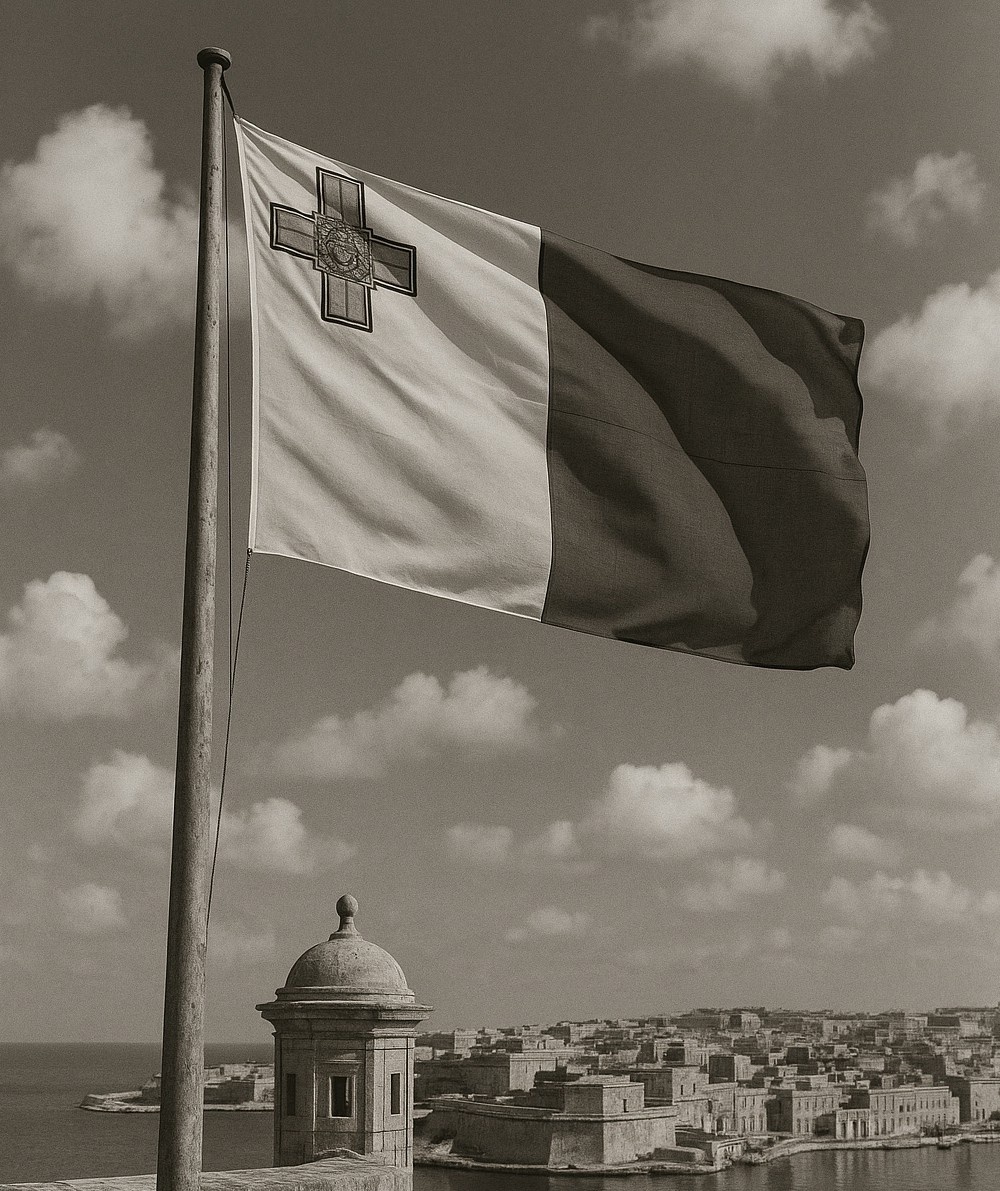
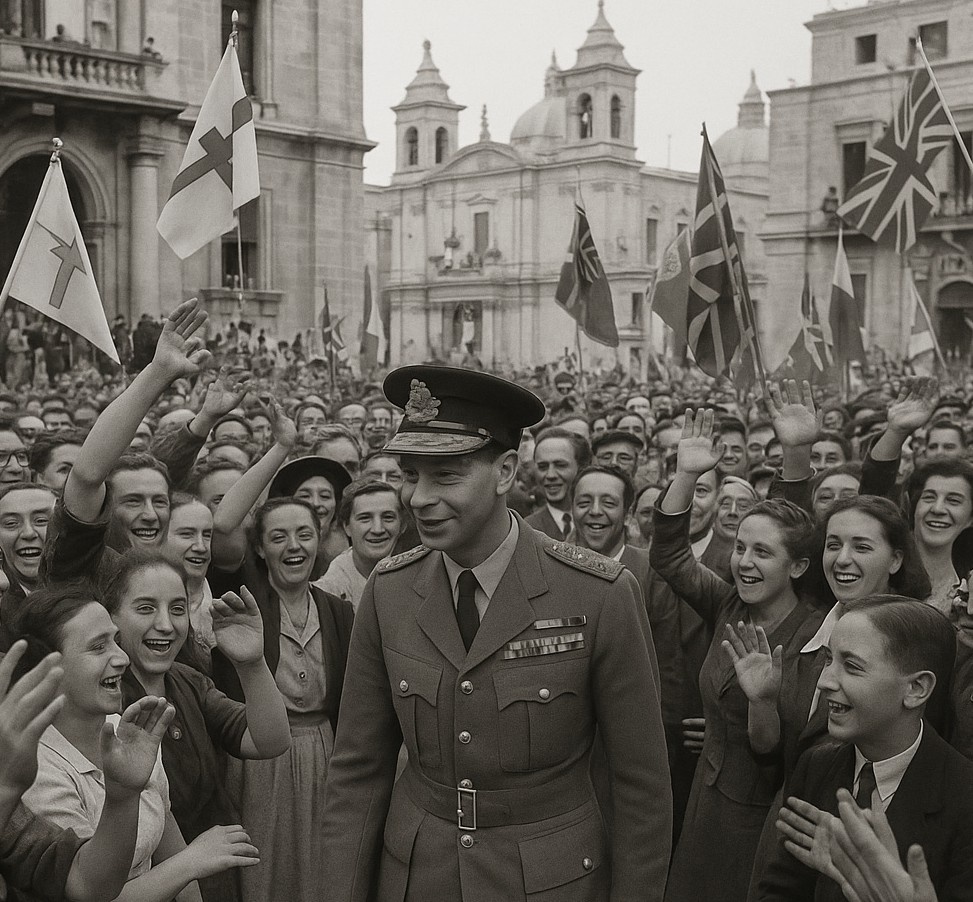
The George Cross citation stated: “To honour her brave people, I award the George Cross to the Island Fortress of Malta to bear witness to a heroism and devotion that will long be famous in history.” This recognition established Malta’s unique status within the British Empire and the Commonwealth.
The award had significant political consequences. It recognised Malta’s contribution to the war effort and subtly acknowledged the islands’ claim to special treatment within the empire. The George Cross became a symbol of Maltese identity and pride that transcended political divisions.
POST-WAR CONSTITUTIONAL DEVELOPMENT
The end of World War II marked a new chapter in Malta’s constitutional development. The islands’ contribution to the war effort had strengthened their position within the British Empire, but it also exposed the costs of imperial dependence and the need for greater self-governance.
The post-war period saw renewed calls for constitutional reform. The destruction from the war had revealed Malta’s vulnerability and the need for economic diversification. Relying solely on military spending was no longer feasible, and new approaches to economic development were necessary.
The British government, recognising these realities, embarked on a gradual process of constitutional reform. The 1947 Constitution restored responsible government, while the 1961 Constitution granted internal self-government. These changes represented important strides towards full independence.
However, the path to independence was difficult. The Labour Party, led by Dom Mintoff, favoured integration with Britain over full independence, arguing that Malta’s small size and limited resources made complete independence impractical. This position created complex political dynamics that influenced the independence process.
THE ROAD TO INDEPENDENCE
The final stage of British colonial rule was marked by intense political debate over Malta’s future. The discussion focused on whether to seek independence, remain part of Britain, or keep colonial status. This issue dominated political discourse throughout the 1950s and early 1960s.
The integration proposal, actively promoted by Dom Mintoff’s Labour Party, aimed to make Malta a vital part of the United Kingdom with representation in Parliament. This bold proposal reflected both the close ties formed during the war and practical concerns about Malta’s independence.
Nevertheless, the integration proposal encountered significant challenges. The British government hesitated to set a precedent that could result in similar demands from other colonies. The Maltese Nationalist Party, led by Giorgio Borg Olivier, opposed integration and advocated for independence within the Commonwealth.
The constitutional crisis of 1958-1962, during which the British government suspended the constitution and reimposed direct rule, marked the final collapse of the integration proposal. The crisis exposed the clash between Maltese political aspirations and British imperial interests.
The resolution was reached through the Constitution of 1964, which granted Malta full independence while preserving the islands’ membership in the Commonwealth. The independence agreement included provisions for British military bases and financial aid to support the transition to independence.
THE END OF AN ERA
Malta’s independence on September 21, 1964, marked the end of 164 years of British colonial rule and the beginning of a new chapter in the islands’ history. The colonial period had transformed Malta from a medieval society into a modern state with sophisticated institutions and international links.
The British influence in Malta was complex and varied. British rule brought about modernisation, education, and increased contact with the broader world. The English language, legal framework, and administrative systems introduced during the colonial era remain lasting features of Maltese society. The democratic institutions and constitutional traditions established under British rule laid the foundation for Malta’s progress as an independent nation.
However, the colonial experience also brought about challenges that persisted after independence—the economy’s dependence on British military spending needed to be addressed through diversification and sector development. The language issue, with English, Italian, and Maltese competing for official status, required resolution. The relationship between traditional Maltese culture and imported British institutions needed to be balanced.
The colonial period also shaped a unique Maltese identity that combined local traditions with imperial connections. The experience of taking part in two world wars, surviving the Great Siege, and receiving the George Cross built a sense of national pride and international recognition that would influence Malta’s path to independence.
As Malta gained independence, it carried with it the legacy of nearly two centuries of British rule. This legacy included both the benefits of modernisation and the challenges of creating a sustainable independent state in the modern world.
….continued in part 5