CHAPTER 5: NORMAN CONQUEST AND MEDIEVAL TRANSFORMATION (1091-1530 CE)
THE NORMAN INVASION
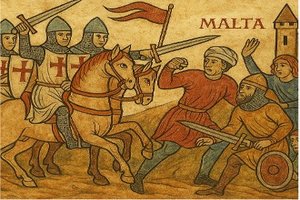
In 1091 CE, the Norman conquest of Malta marked the end of Islamic rule and the beginning of a new chapter in the islands’ history. The conquest was led by Roger I of Sicily, known as the “Great Count,” who had already established Norman control over Sicily and was expanding his influence across the central Mediterranean.
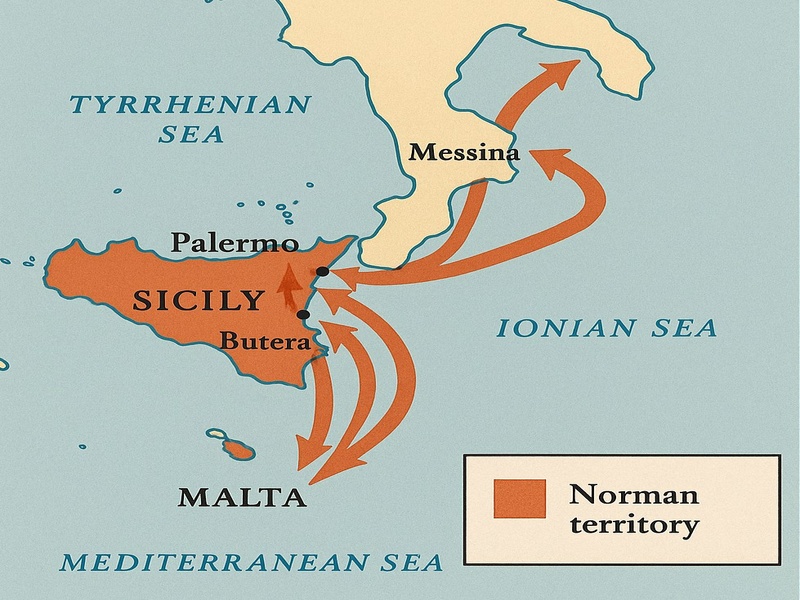
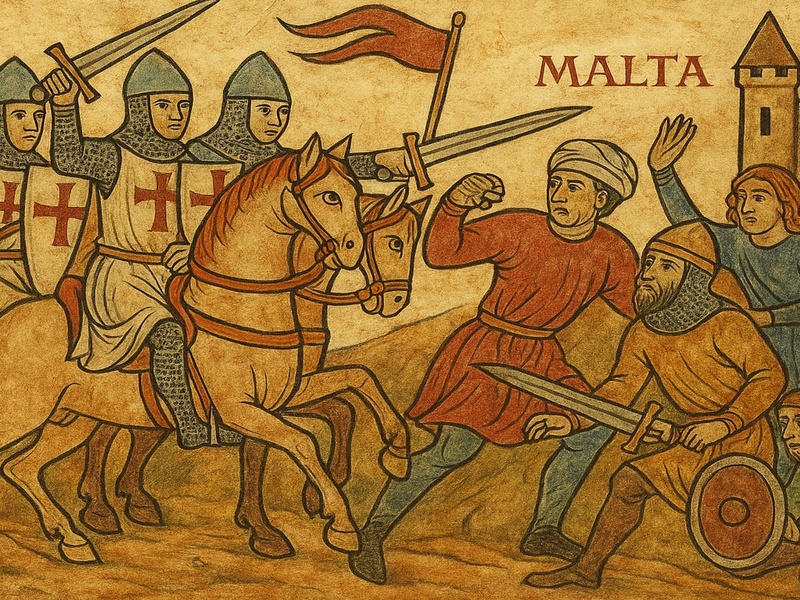
The Norman invasion of Malta was swift and successful. Roger, I arrived with a large force and quickly took control of the island’s defences. The Muslim garrison, already weakened by internal disputes and lacking support from the mainland, offered limited resistance. Within a few months, both Malta and Gozo came under Norman rule.
The conquest was not just a military endeavour, but also a religious and cultural one. The Normans, as Christian knights, portrayed their conquest as a holy war to reclaim Christian lands from Islamic control. They immediately began re-Christianising the islands, converting mosques back into churches, and promoting the return of Christian practices.
RELIGIOUS RESTORATION AND CULTURAL SYNTHESIS
The Norman period marked the systematic re-establishment of Christianity as the main religion in Malta and Gozo. However, the process was more complex than merely replacing one faith with another. The Normans, pragmatic rulers who had effectively governed diverse populations in Sicily, employed a relatively tolerant stance towards their new Muslim subjects.
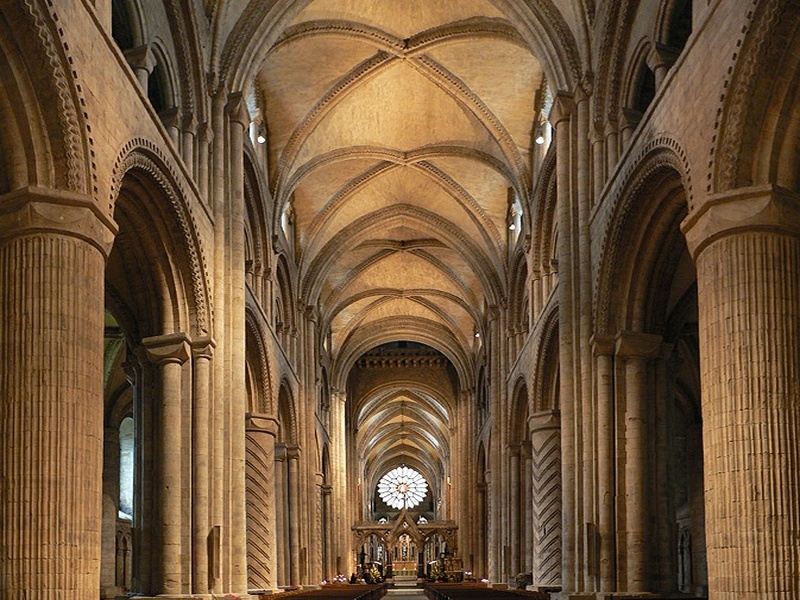
The new rulers established a Christian ecclesiastical hierarchy, appointing bishops and rebuilding churches. The Cathedral of Mdina, reconstructed during this period, became a symbol of Christian renewal. However, many mosques were converted into churches rather than being destroyed, and Islamic architectural features were often incorporated into the new Christian buildings.
The Norman period also saw the emergence of a distinctive Maltese cultural blend. The islands’ population, primarily Muslim with Christian minorities, gradually shifted back to Christian dominance. However, this process took many generations, and numerous Islamic cultural practices persisted, fostering a unique Maltese identity that integrated Christian, Islamic, and local traditions.
AGRICULTURAL AND ECONOMIC DEVELOPMENT
The Normans brought significant changes to Malta’s economic structure. They introduced the feudal system, which was becoming standard across medieval Europe, dividing the islands into fiefs granted to Norman nobles and knights. This system concentrated land ownership but also provided security and organised agricultural production.
The new rulers promoted agricultural growth, especially the cultivation of cotton, which became Malta’s leading export crop. They also supported the development of crafts and trades by establishing guilds and markets that linked Malta to the wider Mediterranean trade network.
The Norman period saw the development of significant infrastructure projects. The rulers constructed new harbours, enhanced roads, and built fortifications that bolstered the islands’ defences. The distinctive Maltese watchtowers, which would later become iconic features of the landscape, began to be erected during this period.
THE HOHENSTAUFEN ERA
In 1194, Malta fell under the control of the Hohenstaufen dynasty when Henry VI, Holy Roman Emperor, inherited the Norman territories in southern Italy and Sicily. This shift placed the islands directly under the rule of one of medieval Europe’s most powerful dynasties, connecting them to the broader imperial system.
The most notable ruler of this period was Frederick II, known as “Stupor Mundi” (Wonder of the World), who governed from 1220 to 1250. Frederick, a brilliant yet controversial figure, introduced significant changes to Malta. He promoted trade and commerce, established new legal codes, and supported cultural and intellectual development.
Frederick II’s rule also marked the beginning of Malta’s integration into the wider European political scene. The islands became involved in the complex conflicts between the Holy Roman Empire and the Papal States, experiencing their first taste of the dynastic struggles that would characterise medieval Europe.
THE ANGEVIN PERIOD
In 1266, Malta came under the control of the Angevin dynasty when Charles I of Anjou conquered the Kingdom of Sicily. This period was characterised by significant political instability as the Angevins struggled to maintain authority over their diverse territories, while facing challenges from rival claimants and local rebellions.
The Angevin period marked the start of Malta’s parliamentary development. The islanders’ nobles and citizens began to participate in assemblies that advised the rulers and handled local affairs. This early form of representative government would later evolve into more sophisticated political institutions.
The period also saw significant cultural growth. The Angevin court, with its links to France and southern Italy, introduced new artistic and intellectual influences to Malta. The islands’ churches and palaces began to feature Gothic architectural elements, and local artists created new styles that combined Northern European and Mediterranean traditions.
THE ARAGONESE ERA
In 1282, Malta joined the Crown of Aragon after the War of the Sicilian Vespers. This shift placed the islands under the control of the Kingdom of Aragon, one of the most influential maritime empires of the late medieval era. The Aragonese rule would last until 1530 and saw Malta grow into an important commercial and strategic hub.
The Aragonese rulers recognised Malta’s strategic importance and invested heavily in the islands’ defences and infrastructure. They built new fortifications, expanded the harbours, and established a professional garrison. The islands became a vital base for Aragonese operations in the central Mediterranean.
The period also saw significant economic growth. The Aragonese promoted trade and commerce, establishing Malta as a key hub for goods moving between Europe, Africa, and the Middle East. The islands’ merchants developed wide-ranging commercial networks, and Maltese ships often appeared in ports across the Mediterranean.
SOCIAL AND CULTURAL EVOLUTION
The medieval period saw the gradual development of distinctive Maltese social and cultural institutions. The islands’ population, which had been ethnically and religiously diverse, started to form a more cohesive community with shared customs and traditions.
The Maltese language continued to evolve during this period, blending elements from various ruling languages while preserving its Arabic roots. The distinct Maltese literary tradition began to take shape, with local poets and writers producing works that reflected the islands’ unique cultural blend.
The period also saw the development of distinctive Maltese religious practices. While firmly Catholic, the islands’ Christianity incorporated elements from their Islamic past and local traditions. The cult of various saints became central to Maltese religious life, and the islands’ churches evolved unique architectural and artistic traditions.
THE END OF MEDIEVAL MALTA
By the early 16th century, Malta faced significant challenges. The islands’ strategic position, which had once been advantageous, was becoming a liability as the Ottoman Empire expanded westward and threatened Christian interests in the Mediterranean. The Aragonese rulers, burdened by financial strain and numerous military commitments, began to consider alternative governance arrangements for the islands.
The period also experienced mounting pressure from corsairs and pirates, who utilised the islands’ numerous harbours and inlets as bases for raids on Christian shipping. The local population, despite their bravery and resourcefulness, lacked the military resources to effectively defend against these threats.
These challenges laid the foundation for one of the most important moments in Maltese history: the arrival of the Knights of St. John, who would transform the islands into a powerful fortress in the Mediterranean and create a unique crusading state that endured for over two centuries.
CHAPTER 6: THE KNIGHTS OF ST. JOHN – FORTRESS OF FAITH (1530-1798 CE)
THE ARRIVAL OF THE KNIGHTS
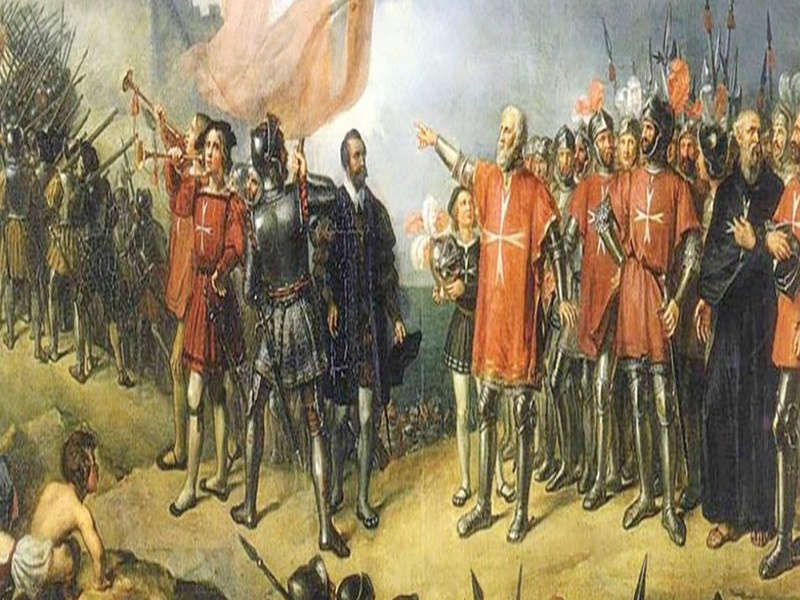
In 1530, Emperor Charles V decided to make significant changes to Malta and Gozo: he granted the islands to the Knights Hospitaller of St. John of Jerusalem, a military religious order that had been expelled from Rhodes by the Ottoman Empire in 1522. The grant came with specific conditions – the Knights would hold the islands as a fief of the Kingdom of Sicily, pay an annual tribute of a single Maltese falcon, and continue their primary mission of defending Christendom against Islamic expansion.
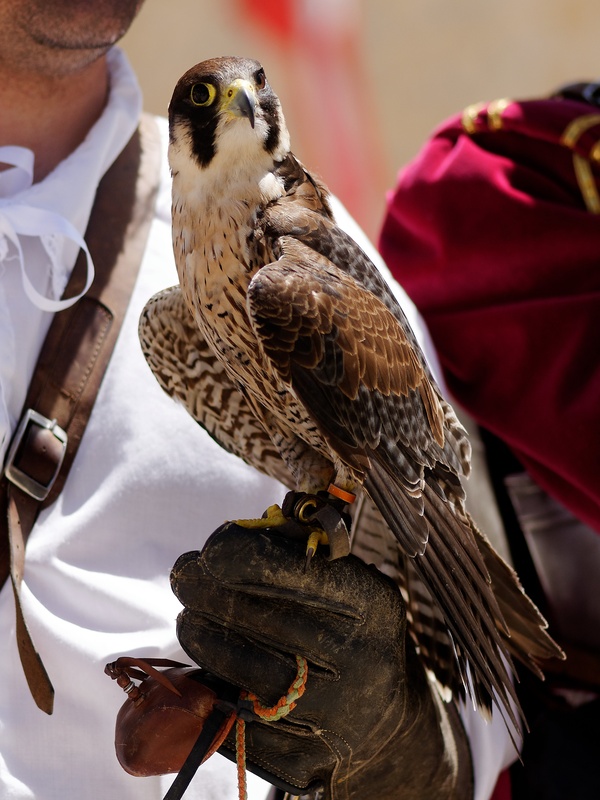
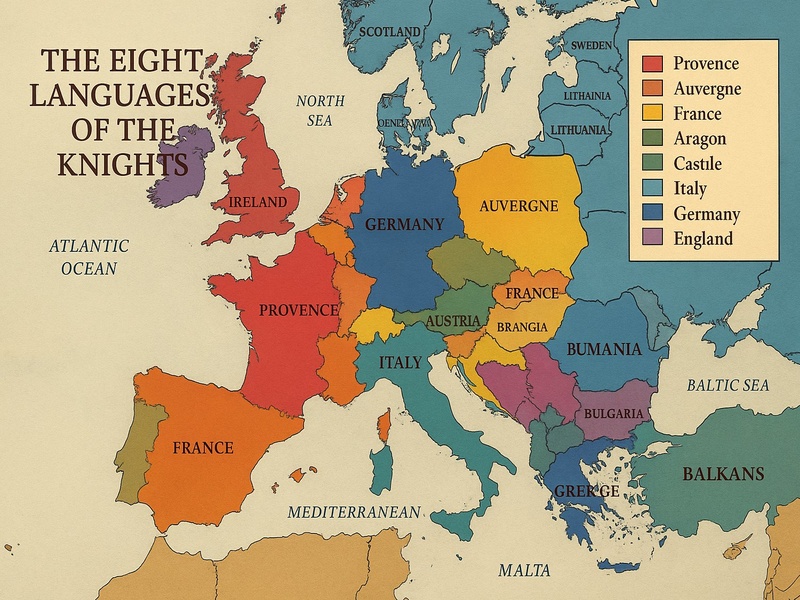
The Knights of St. John, also known as the Hospitallers, brought with them eight centuries of military expertise, substantial wealth from properties across Europe, and a steadfast commitment to their crusading ideals. Their arrival marked the beginning of what would be called the “Golden Age” of Maltese history, an era of extraordinary prosperity, cultural achievements, and architectural splendour.
The Order was divided into eight languages (tongues), each representing different European regions: Auvergne, Provence, France, Aragon, Castile, England, Germany, and Italy. Each language had its auberge (inn) in the capital city and provided specific military and administrative roles for the Order’s operations. This international composition brought diverse skills, resources, and perspectives to Malta, transforming the islands into a cosmopolitan hub of European culture.
THE GREAT SIEGE OF 1565
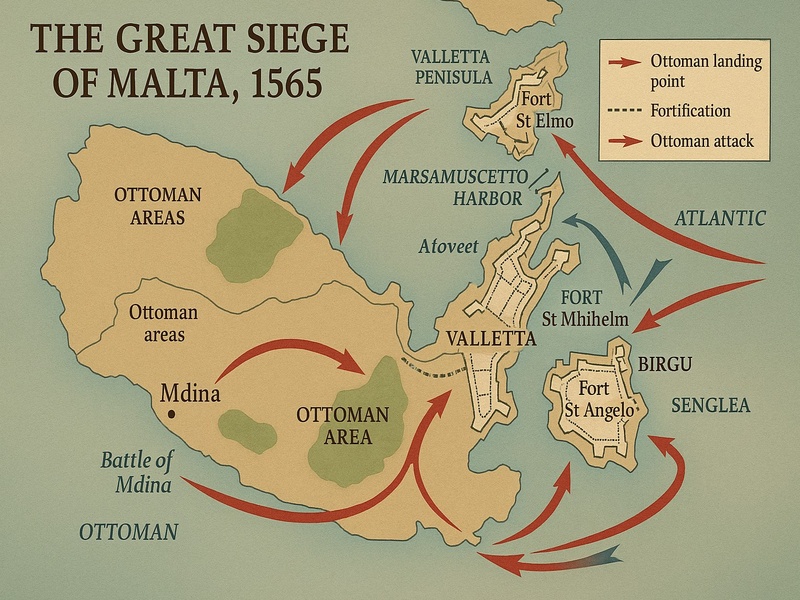
The defining moment of the Knights’ rule occurred in 1565 during the Great Siege of Malta, one of the most important military clashes of the 16th century. Sultan Süleyman the Magnificent, at the height of Ottoman power, sent a large invasion force to capture Malta and eliminate the Knights, whom he saw as a major obstacle to Ottoman advances in the western Mediterranean.
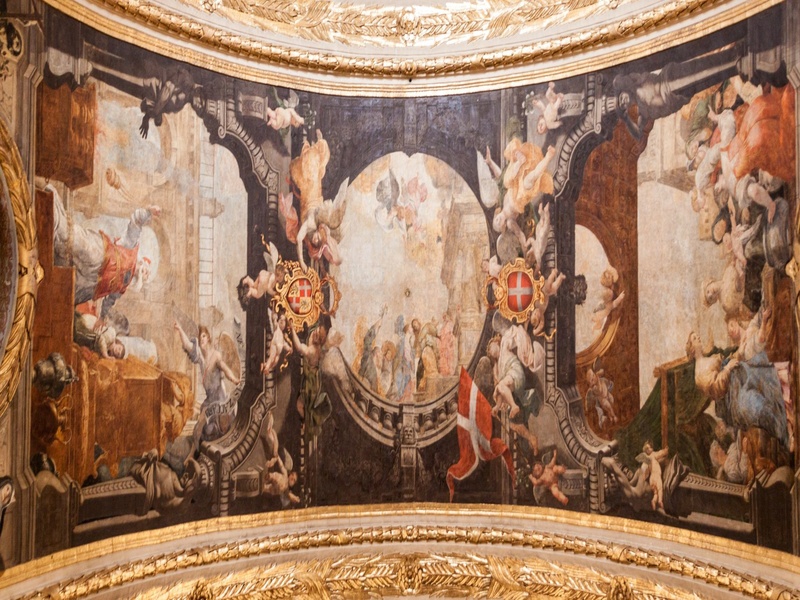
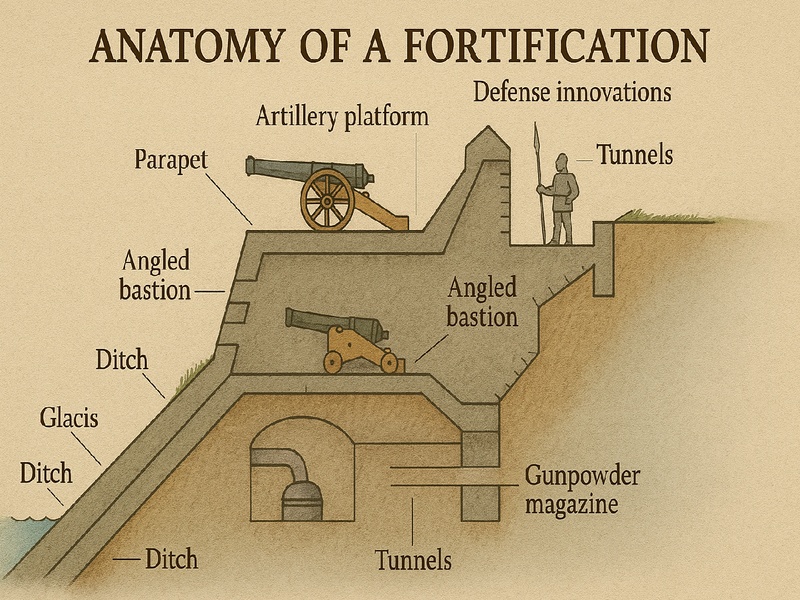
The siege began on 18 May 1565 when an Ottoman fleet of nearly 200 ships, carrying about 40,000 troops, landed on Malta’s coast. The defenders, commanded by Grand Master Jean de Valette, consisted of only around 700 Knights, 8,000 Maltese soldiers, and several thousand mercenaries and volunteers. Despite the overwhelming numerical disadvantage, the Knights had spent thirty-five years fortifying the islands and were prepared for this very confrontation.
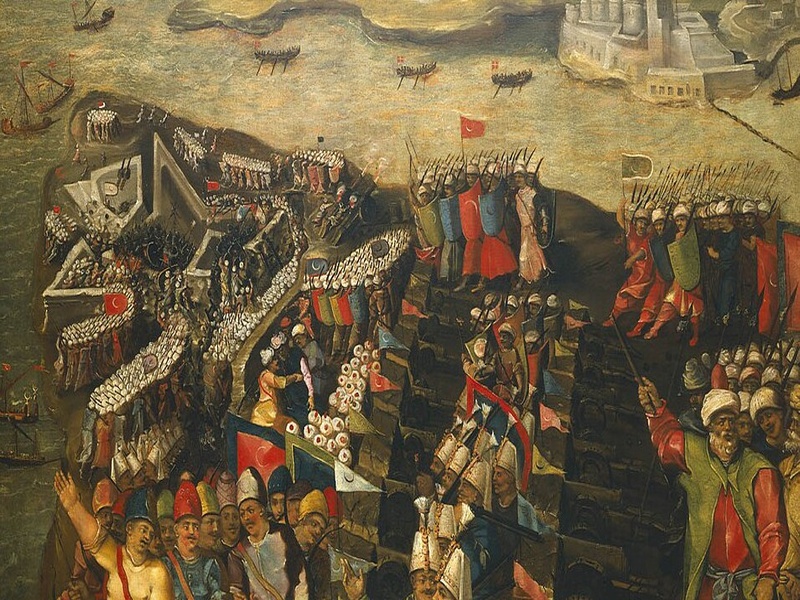
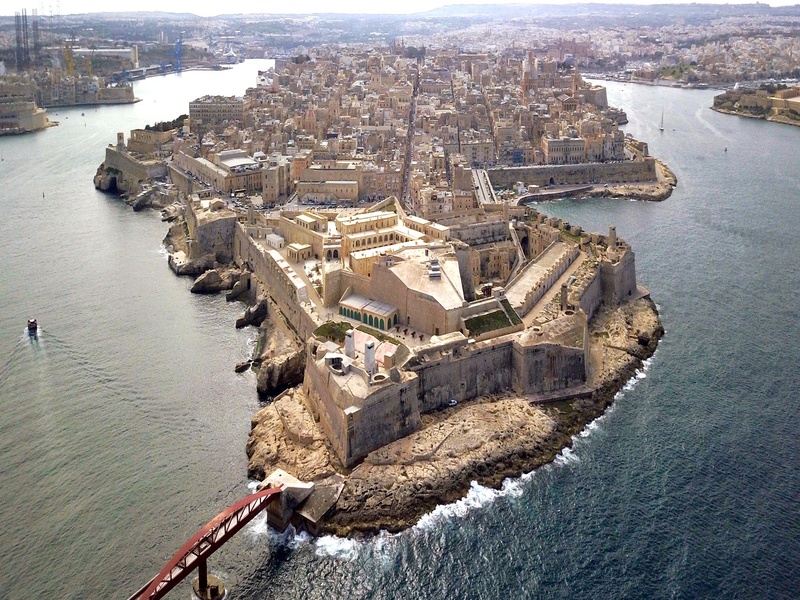
The siege lasted four months, testing the endurance, courage, and military engineering of both sides. The Ottomans, despite their numerical advantage and advanced siege techniques, were challenged by the Knights’ sophisticated fortifications and the unexpected intensity of Maltese resistance.
The defenders employed innovative defensive methods, including the use of Greek fire, deliberately destroying their own fortifications to prevent the Ottomans from taking control, and involving civilians in military efforts like never before.
The most dramatic moments of the siege included the fall of Fort St. Elmo after a month-long bombardment, the heroic defence of Birgu and Senglea, and the final Ottoman assault on the walls of Mdina. The tide turned when a relief force from Sicily arrived in September, and the Ottoman forces, weakened by disease, casualties, and the approach of winter, finally withdrew.
The victory had profound consequences beyond Malta. It marked the beginning of the Ottoman Empire’s decline in the Mediterranean and established the Knights as the primary defenders of Catholic Europe. The siege also demonstrated the effectiveness of advanced fortification techniques and signified a major shift in military engineering. Most importantly for Malta, it guaranteed the island’s continued independence and laid the groundwork for its transformation into one of Europe’s most formidable fortress complexes.
THE BUILDING OF VALLETTA
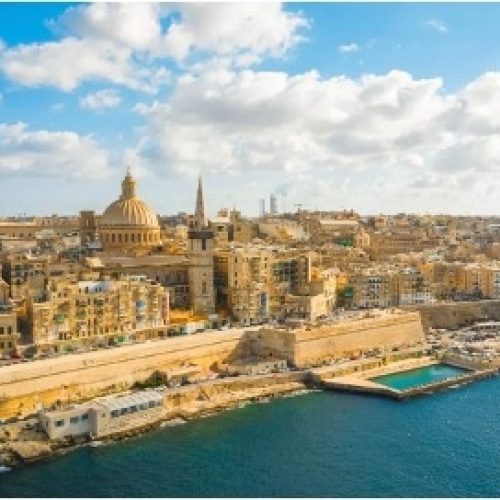
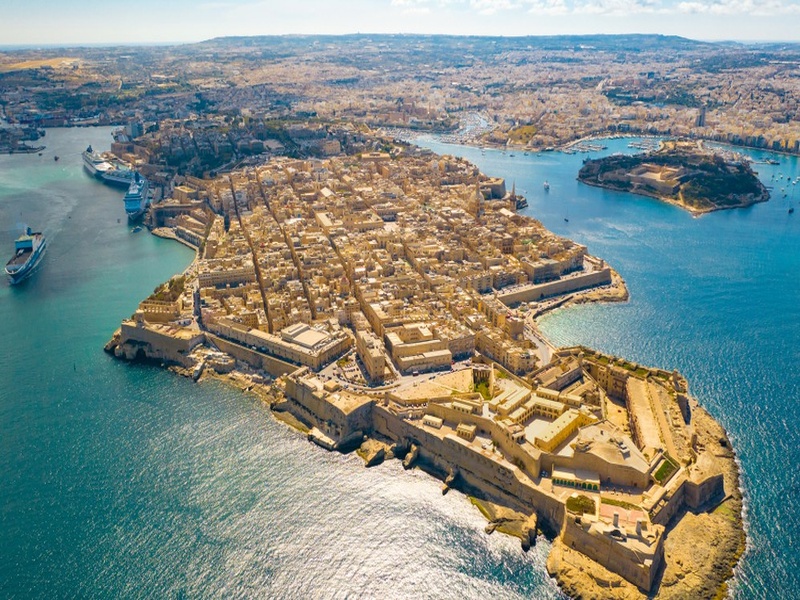
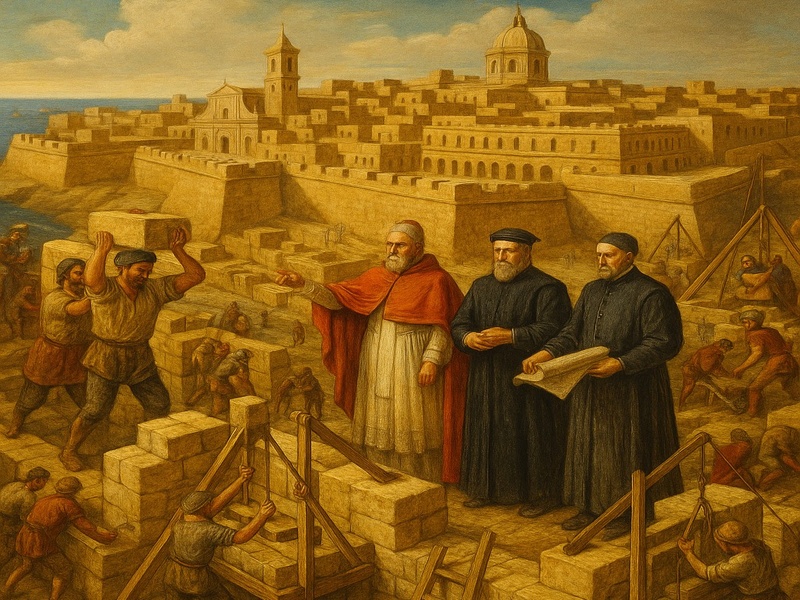
Following the Great Siege, Grand Master Jean de Valette launched the most ambitious construction project in Maltese history: the construction of a new capital city on the Sciberras Peninsula. Named Valletta in honour of the Grand Master, the city was designed as the ultimate fortress city, blending the latest advancements in military architecture with the most esteemed traditions of Renaissance urban planning.
The planning of Valletta was assigned to Francesco Laparelli, a military engineer sent by Pope Pius V, who designed a grid-pattern city that combined maximum defensive strength with optimal urban functionality. The city’s bastions, built according to the latest Italian principles, made it nearly impregnable while creating a balanced urban environment.
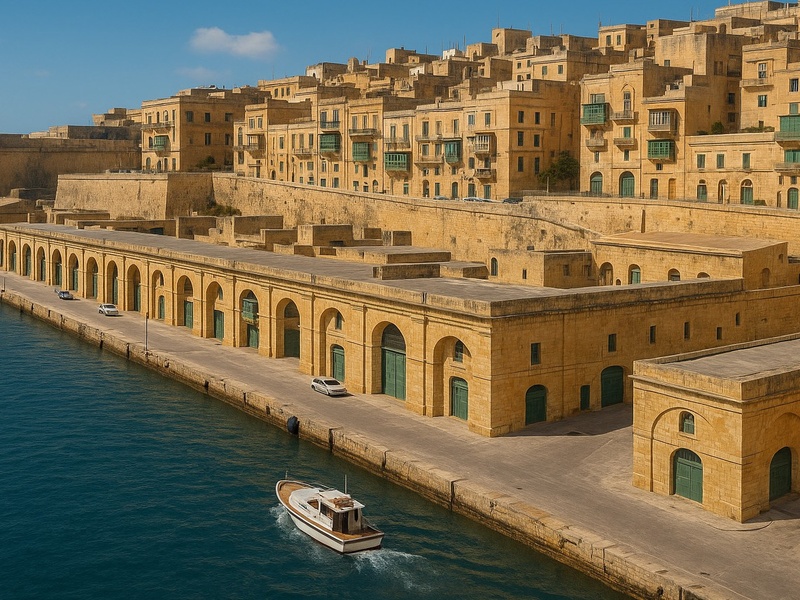
Construction began in 1566 and lasted several decades, employing thousands of workers and craftsmen from across Europe. The city’s buildings were constructed from the golden limestone that defines Maltese architecture, creating a visually stunning urban landscape that blended military practicality with Renaissance aesthetics.
The city’s major monuments reflect both the Knights’ military purpose and their cultural aspirations. The Co-Cathedral of St. John, completed in 1577, became one of the finest examples of Baroque architecture in Europe. Its austere exterior conceals an interior of breathtaking richness, decorated with works by Caravaggio, Mattia Preti, and other masters of European art.
The Grandmaster’s Palace, built in the early 17th century, served as both the seat of government and a symbol of the Order’s authority. Its State Apartments, adorned with frescoes illustrating the Great Siege and other moments in Knights’ history, created a visual narrative of the Order’s achievements and ambitions.
ECONOMIC AND CULTURAL FLORESCENCE
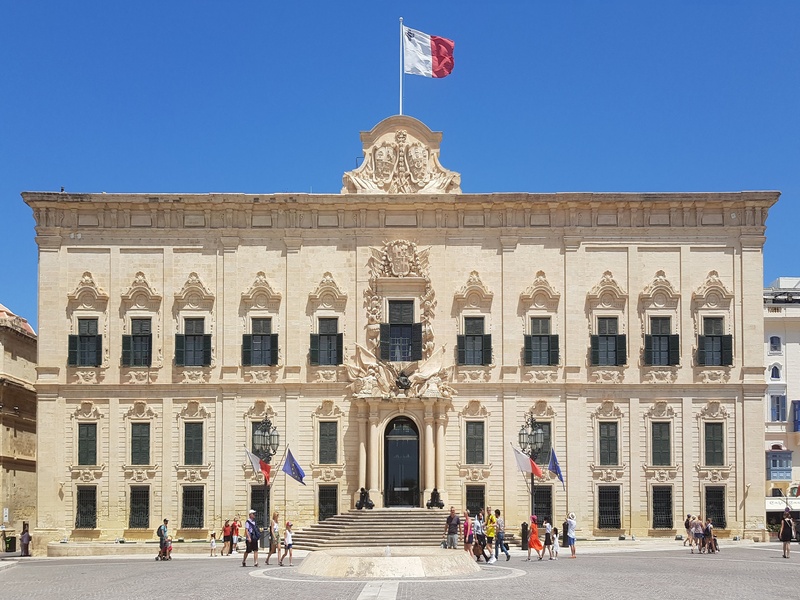
The Knights’ rule brought unparalleled prosperity to Malta and the island of Gozo. The Order’s extensive wealth, derived from estates across Europe, was invested in the islands’ infrastructure, fostering a sophisticated economy centred on trade, manufacturing, and services. The Knights established Malta as a major commercial hub, with the Grand Harbour becoming one of the busiest ports in the Mediterranean.
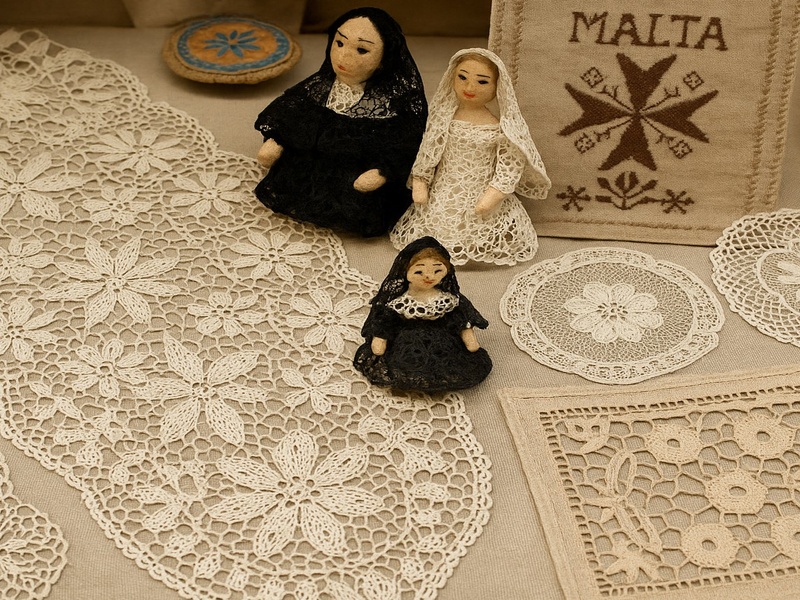
The islands’ economy was diverse and advanced. The Knights encouraged the growth of local industries, including textiles, metalworking, and shipbuilding. The well-known Maltese lace industry, which later gained international fame, was founded during this period. The Order also invested in agriculture, introducing new crops and farming methods that boosted productivity and supported a rising population.
The Knights’ international connections brought significant cultural benefits to Malta. The Order attracted artists, architects, scholars, and craftsmen from across Europe, creating a cosmopolitan cultural environment. The islands became a centre of learning, with the establishment of schools, libraries, and scholarly institutions that made advanced education available to both Knights and residents.
The period marked the flourishing of Maltese literature, art, and music. Local artists created distinctive styles that combined European techniques with Mediterranean traditions. The islands’ churches and palaces were decorated with artworks by renowned European masters, forming an artistic heritage that rivals that of much larger European centres.
THE KNIGHTS’ SOCIAL IMPACT
The Knights’ rule had a significant impact on Maltese society. The Order’s presence opened up opportunities for social mobility, as local residents could serve the Knights in different roles and access education and training. The Knights built hospitals, schools, and charitable institutions that offered services previously unavailable to the local community.
However, the relationship between the Knights and the Maltese was complex and sometimes tense. The Order was mainly an aristocratic institution that maintained strict social hierarchies. While the Knights provided protection and prosperity, they also imposed significant restrictions on local autonomy and economic activities.
MILITARY INNOVATION AND MARITIME POWER
The Knights transformed Malta into one of Europe’s most advanced military centres. They pioneered new techniques in fortification, artillery, and naval warfare that influenced military development across the continent. The Order’s engineers and architects designed innovative defensive systems that combined traditional fortification principles with emerging technologies.
The Knights’ naval strength was particularly notable. Their galleys, stationed in the Grand Harbour, proved to be a thorn in the side of Ottoman and Barbary shipping. The Order’s naval operations spanned the Mediterranean, and their ships participated in pivotal battles, including the Battle of Lepanto in 1571, where they played a crucial role in securing the Christian victory over the Ottoman fleet.
The Knights also improved advanced techniques in naval architecture and navigation. Their shipyards in Malta built some of the best warships in the Mediterranean, and their navigators and pilots were highly valued across Europe. The Order’s naval academy trained officers who served in various European navies, spreading Maltese maritime expertise throughout the continent.
THE DECLINE OF THE ORDER
By the 18th century, the Knights of St. John faced significant challenges that ultimately led to their decline. The Ottoman threat, which had been the main purpose of the Order, was diminishing as the Ottoman Empire waned. The Knights’ military importance was decreasing, and their feudal structure was becoming increasingly outdated in the Age of Enlightenment.
The Order’s wealth declined due to the political upheavals that occurred across Europe. The Protestant Reformation had significantly reduced many of the Order’s properties in Northern Europe, and the French Revolution later confiscated their
extensive holdings in France. The Knights’ traditional sources of income were disappearing, making it increasingly difficult for them to maintain their military and charitable roles.
Internal corruption and political conflicts further weakened the Order. The election of Grand Masters became increasingly disputed, with different languages competing for control. The Order’s international character, once a source of strength, turned into a liability as European nationalism grew.
The Knights’ rule in Malta was also challenged by the growing ambitions of the local people. The Maltese, who had established a sophisticated society under the Knights’ protection, began to demand greater autonomy and a more active role in government. The Order’s autocratic system was increasingly seen as outdated and oppressive.
THE END OF AN ERA
The Knights’ rule ended suddenly and dramatically. In 1798, Napoleon Bonaparte, on his way to Egypt, arrived in Malta and demanded the island’s surrender. Grand Master Ferdinand von Hompesch, recognising the futility of resisting, surrendered without a fight, bringing 268 years of Knights’ rule to an end.
The surrender took Europe by surprise and marked the end of a notable chapter in Maltese history. The Knights’ legacy, however, would continue. They transformed Malta from a small Mediterranean island into a significant European cultural centre, created an architectural heritage that still influences the island’s identity, and established traditions of learning, culture, and craftsmanship that would impact Malta’s development for many years to come.
The Knights’ era showed Malta’s ability to absorb and blend diverse cultural influences while keeping its unique identity. It also built the islands’ reputation as a stronghold of European civilisation in the Mediterranean, a reputation that would prove vital in future challenges.
….continued in part 3