COMPLETE HISTORY OF MALTA AND GOZO: FROM STONE AGE TO MODERN TIMES
INTRODUCTION: ISLANDS AT THE CROSSROADS OF CIVILISATIONS
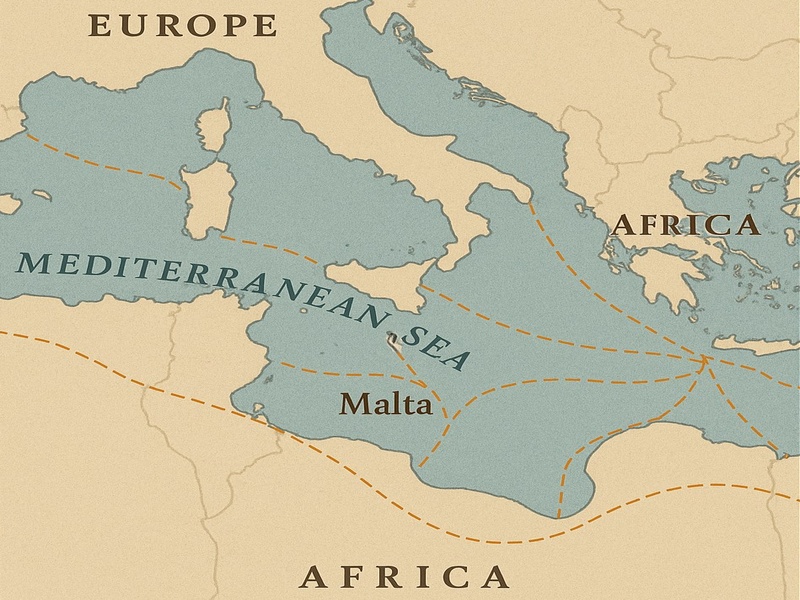
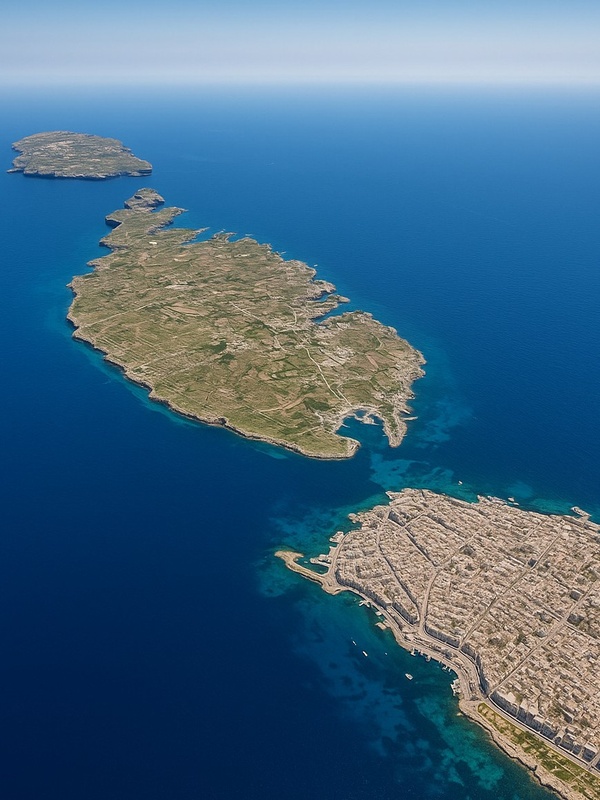
In the heart of the Mediterranean Sea, where Africa meets Europe and East converges with West, lie two small islands that have witnessed the rise and fall of empires, the clash of faiths, and the birth of nations. Malta and Gozo, together with the tiny islet of Comino, form an archipelago that has served as a strategic stepping stone for civilisations spanning over seven millennia.
These limestone islands, covering only 316 square kilometres, have been home to Neolithic temple builders, Phoenician traders, Roman governors, Arab conquerors, Norman knights, the legendary Knights of St. John, British colonial administrators, and ultimately, the citizens of an independent republic. Each wave of inhabitants has left its imprint on the islands’ culture, architecture, and collective memory, shaping a distinctive Mediterranean civilisation that resists simple categorisation.
The story of Malta and Gozo is one of survival, adaptation, and resilience. Despite their small size and limited natural resources, these islands have repeatedly found themselves at the centre of significant historical events. From the prehistoric megalithic temples that predate Stonehenge to the crucial role in World War II that earned the entire archipelago the George Cross, Malta and Gozo have made a remarkable impact in the history of the world.
CHAPTER 1: THE DAWN OF CIVILISATION (5900-2500 BCE)
THE FIRST INHABITANTS
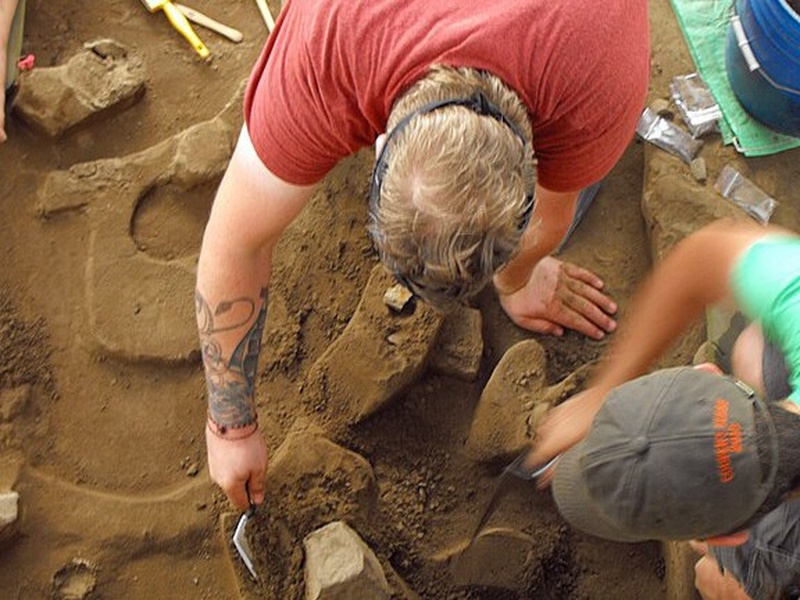
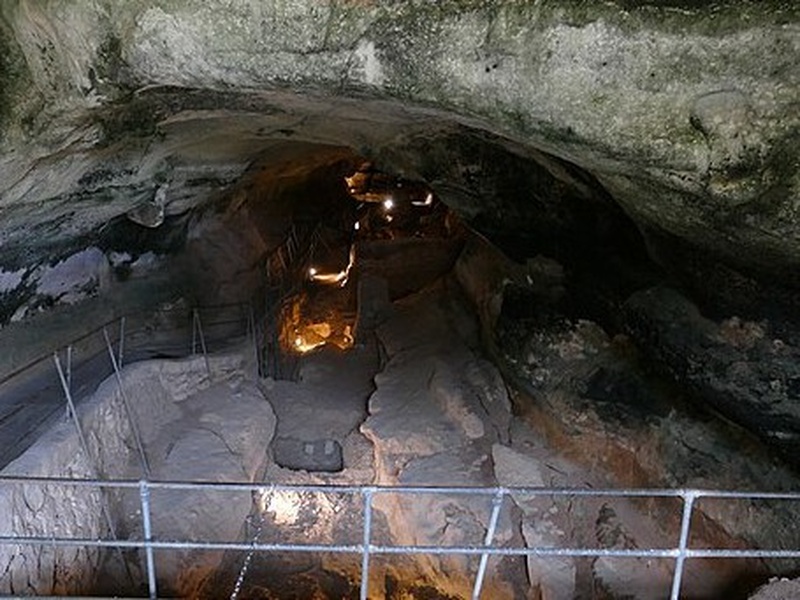
The story of Malta and Gozo begins around 5900 BCE, when the first Neolithic settlers arrived from Sicily, just 93 kilometres to the north. These early inhabitants, known to archaeologists as the Għar Dalam phase people, brought domesticated animals, pottery-making skills, and agricultural knowledge with them. They encountered islands covered in dense forests, inhabited by dwarf elephants, dwarf hippos, and giant swans – a unique ecosystem that was soon transformed by human activity.
The settlers settled in caves and rock shelters, with Għar Dalam cave in southern Malta providing the most extensive evidence of their presence. Here, archaeologists have uncovered layers of human occupation alongside the bones of extinct animals, creating a timeline of the islands’ transformation from pristine wilderness to human habitat.

THE TEMPLE PERIOD: ARCHITECTURAL MARVELS OF PREHISTORY
Around 3600 BCE, Malta and Gozo entered what is arguably their most notable period: the Temple Period. Over the following thousand years, the islands’ inhabitants crafted some of the world’s most sophisticated prehistoric architecture, building megalithic temples that remain engineering marvels to this day.
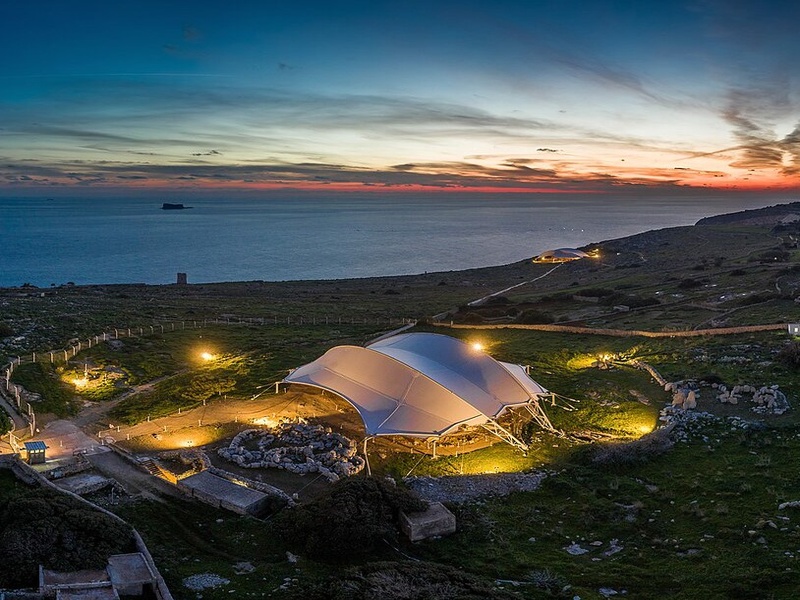
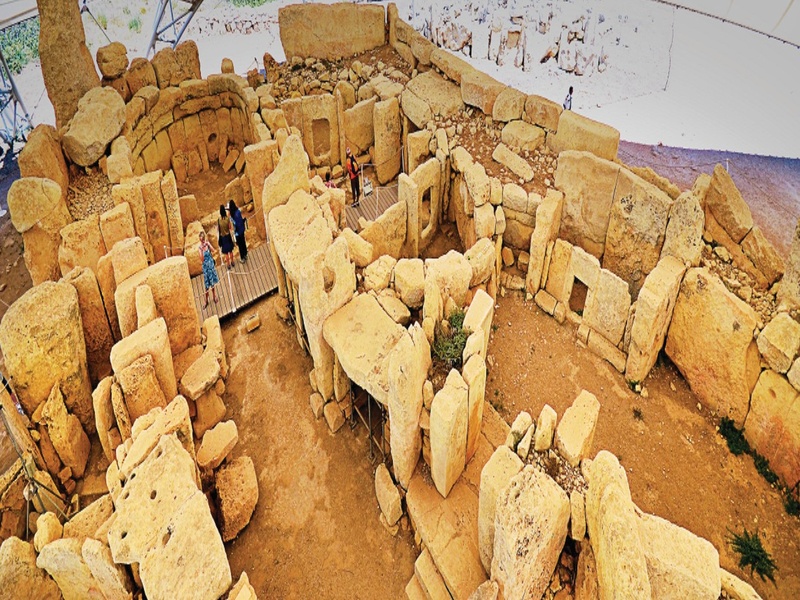
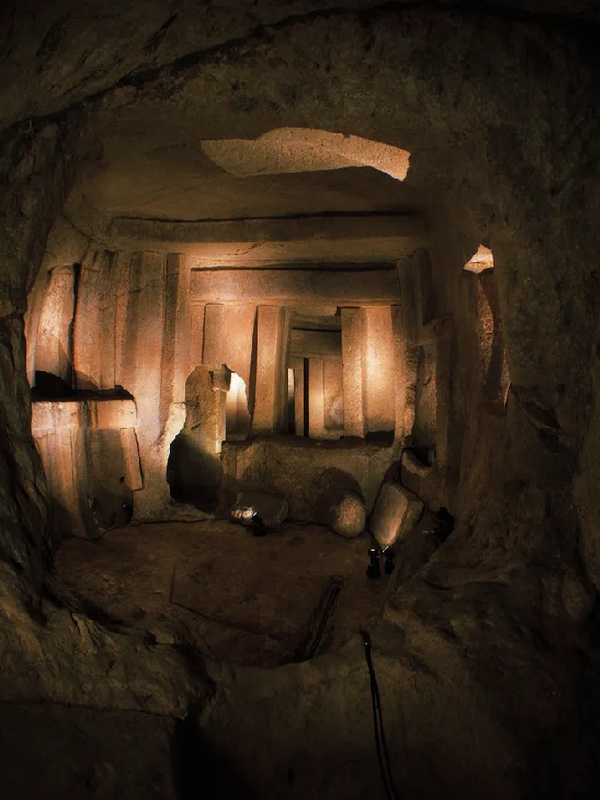
The temple builders, known as the Tarxien phase people, created a distinctive architectural style characterised by massive limestone blocks, detailed carvings, and complex layouts. These were not simple stone circles but elaborate structures with multiple chambers, decorated walls, and advanced astronomical alignments. The temples were constructed using only primitive tools – copper implements, stone hammers, and wooden rollers – yet they demonstrate an understanding of engineering principles that wouldn’t be matched in Europe for centuries.
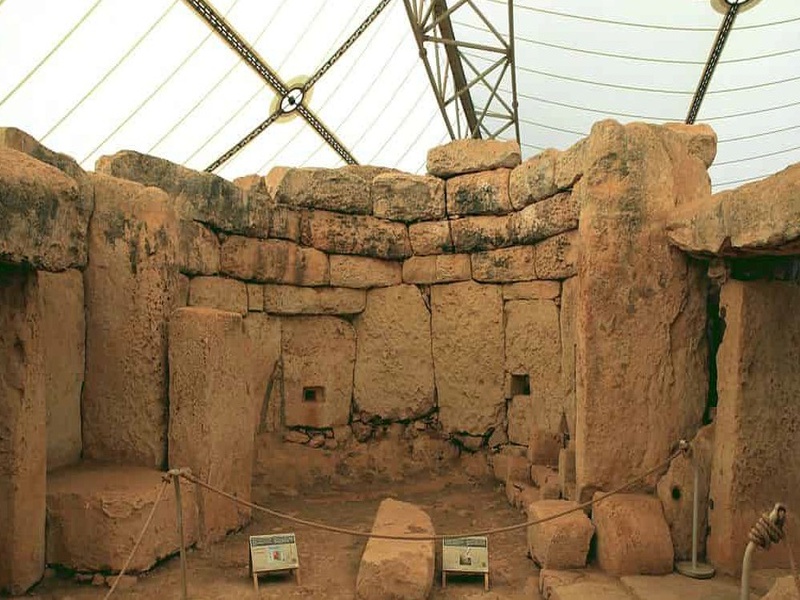
On Malta, the temple complex at Ħaġar Qim, perched on a cliff overlooking the sea, showcases the builders’ mastery of both engineering and artistry.
The main temple, constructed between 3600 and 3200 BCE, features massive trilithons (two vertical stones supporting a horizontal lintel) and chambers decorated with spiral motifs and animal reliefs. The nearby Mnajdra temple complex, built slightly later, demonstrates even more sophisticated construction techniques and includes what may be the world’s first known solar calendar in stone.
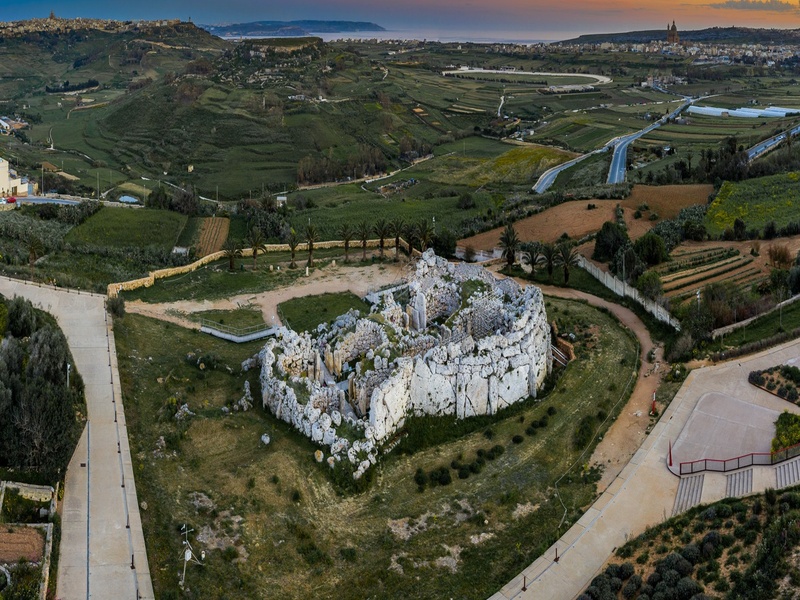
However, it is on Gozo that the temple builders created their masterpiece: the Ġgantija temples, which translates to “giant’s tower” in Maltese. These twin temples, constructed around 3600 BCE, predate Stonehenge by over a thousand years and the pyramids of Egypt by several centuries. The larger temple measures 20 metres in length and features stones weighing more than 50 tons, raised to heights of six metres without the use of metal tools or wheeled vehicles.
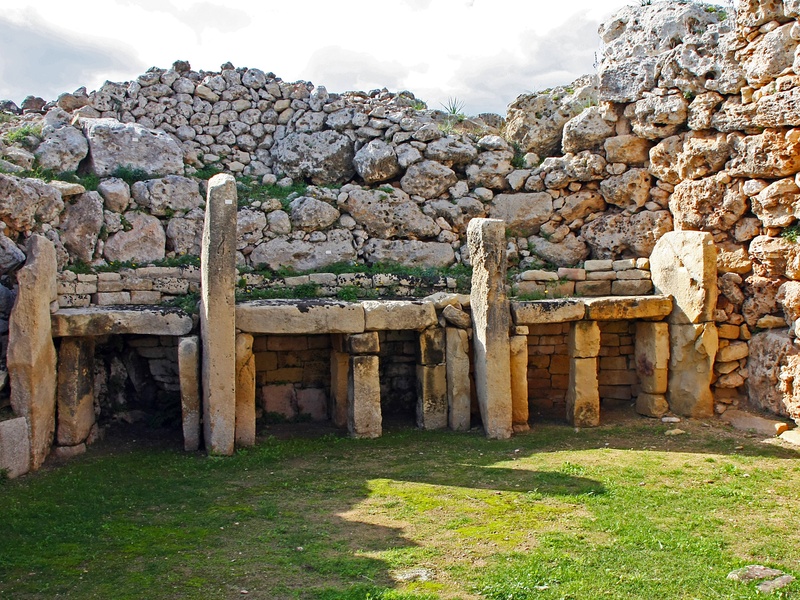
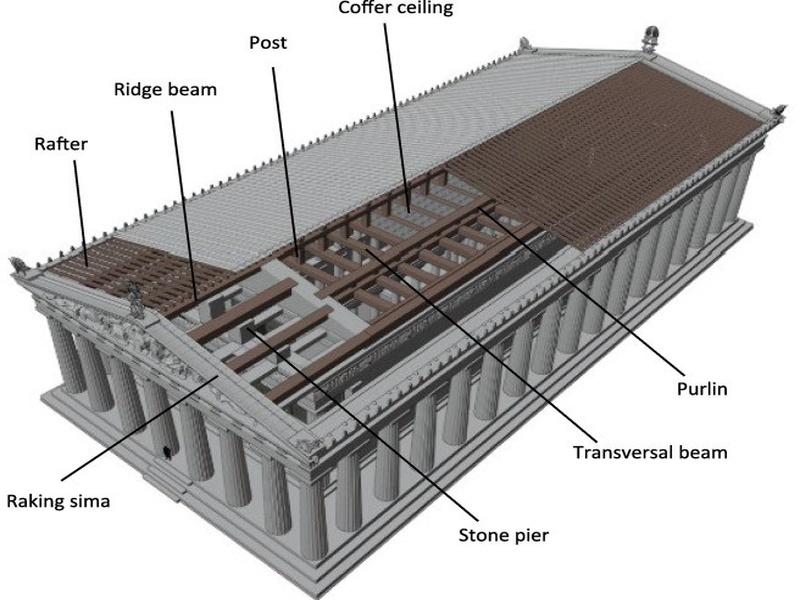
The builders of Ġgantija faced distinct challenges on the island of Gozo. The island’s smaller size meant limited resources, yet the temple complex here is among the most impressive of all Maltese prehistoric sites. The builders quarried local coralline limestone, which weathers to a golden honey colour, and arranged the massive blocks with such precision that many joints require no mortar. The temples’ design incorporates advanced drainage systems, corbelled roofing techniques, and acoustic features, suggesting that they were built for ritual ceremonies involving chanting or music.
THE GODDESS CULTURE
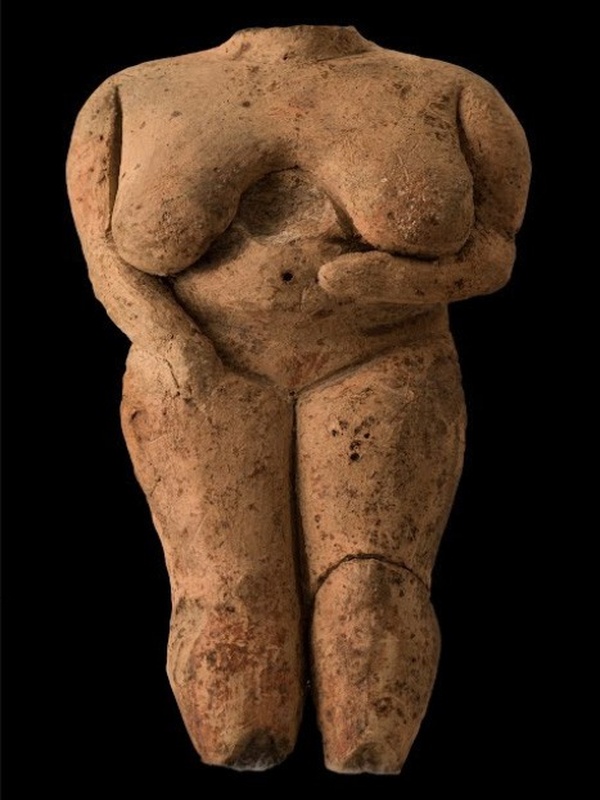
The purpose of these temples has long intrigued archaeologists and historians. The numerous female figurines found across the temple sites, ranging from tiny clay statuettes to large stone sculptures, indicate a society that worshipped a Mother Goddess or multiple goddess figures. The well-known “Venus of Malta” figures, with their exaggerated feminine features, suggest fertility cults and possibly matriarchal social systems.
The largest of these figurines, found at Ħaġar Qim, would have stood over two metres tall when complete. These “fat lady” statues, as they were once dismissively called, are now recognised as sophisticated artistic expressions of divinity and fertility.
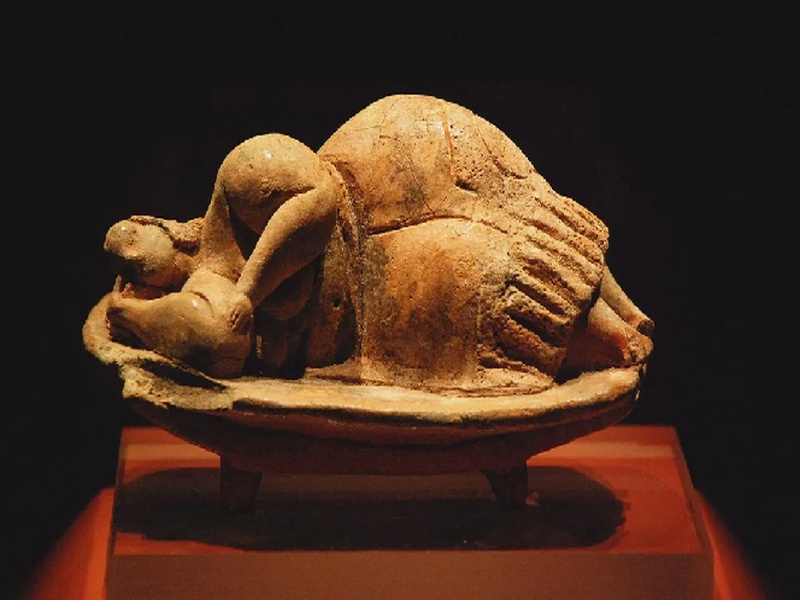
Their pleated skirts, detailed feet, and careful proportions demonstrate that the temple builders were not only skilled engineers but also skilled artists.
Religious practices probably involved elaborate rituals tied to the agricultural cycle, fertility, and death. The temples show evidence of animal sacrifices, libation ceremonies, and possibly oracular rites. Some chambers may have been used for healing rituals, as indicated by the discovery of numerous clay body parts – legs, arms, and heads – that might have been votive offerings seeking divine intervention for illnesses.
THE GODDESS CULTURE
Around 2500 BCE, the temple-building culture mysteriously vanished. The reasons for this dramatic end to over a millennium of advanced civilisation remain hotly debated. Climate change, overpopulation, resource depletion, disease, or invasion by Bronze Age peoples from the north have all been proposed as explanations.
The islands may have faced environmental collapse due to deforestation and intensive farming, which degraded the soil. The extinction of native fauna could have disrupted traditional hunting methods and symbolic systems. Some evidence suggests a period of social upheaval, with later Bronze Age settlements constructed directly over abandoned temples, sometimes utilising the sacred stones as standard building materials.
Whatever the cause, the disappearance of the temple builders remains one of archaeology’s great mysteries. For nearly a thousand years, the islands’ population declined sharply, and the sophisticated architectural traditions were lost. The temples themselves were gradually buried beneath centuries of soil accumulation, becoming legendary “giants’ towers” in local folklore until their rediscovery in the 19th century.
CHAPTER 2: BRONZE AGE TRANSITIONS AND MEDITERRANEAN CONNECTIONS (2500-800 BCE) THE TARXIEN CEMETERY PHASE
Following the collapse of temple culture, Malta and Gozo experienced a period of cultural change known as the Tarxien Cemetery phase (c. 2500-1500 BCE). The new inhabitants, possibly migrants from Sicily or southern Italy, introduced Bronze Age technologies and burial customs that represented a significant departure from previous traditions.
These Bronze Age peoples cremated their dead and buried the ashes in large ceramic urns, a practice that differed entirely from the elaborate burial rituals of the temple builders. The cemetery at Tarxien, which gives this period its name, contains hundreds of these cremation urns, often accompanied by bronze daggers, buttons, and pottery that show clear links to contemporary cultures in Sicily and southern Italy.
The newcomers settled in villages scattered across both islands, preferring elevated positions that provided natural defences. They continued practising agriculture but also developed new technologies, including advanced pottery techniques and the working of copper and bronze. Their pottery, decorated with geometric patterns and featuring new shapes like the carinated bowl, shows influences from the wider Mediterranean world.
THE BORG IN-NADUR PHASE
Around 1500 BCE, Malta and Gozo underwent another wave of cultural change with the arrival of the Borg in-Nadur phase peoples. These inhabitants, who may have originated from the Apennine Peninsula, introduced new defensive technologies and settlement patterns that suggest a progressively militarised society.
The defining feature of this period is the emergence of fortified settlements, with massive stone walls and defensive towers. The site of Borg in-Nadur, located on Malta’s southern coast, includes a large fortified enclosure with walls over two metres thick and towers positioned to offer overlapping fields of fire. These defensive strategies indicate either heightened internal conflict or external threats from seaborne raiders.
The Borg in-Nadur people were skilled metalworkers and potters, creating distinctive pottery decorated with intricate geometric patterns. Their settlements display evidence of specialised craft production, trade networks spanning the central Mediterranean, and a hierarchical society capable of organising large-scale defensive works.
PHOENICIAN ARRIVAL AND INTEGRATION
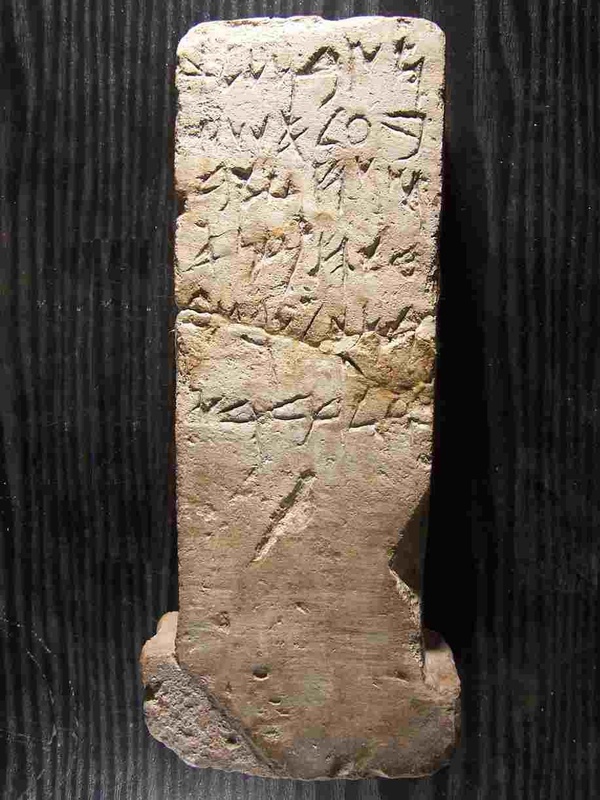
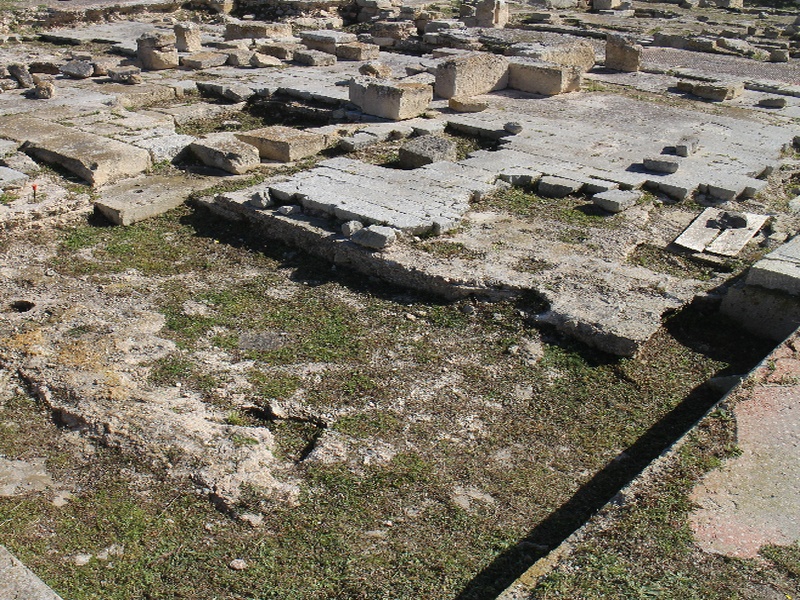
The Phoenicians did not conquer the islands through military force but rather by gradual settlement and integration with the existing population. They established trading posts, introduced new agricultural techniques, and brought with them the alphabet that would eventually develop into the Latin script. More importantly, they connected Malta and Gozo to a vast commercial network that extended from Spain to the Black Sea.
Phoenician influence is most evident in the realm of religion. They introduced the cult of Melqart, the Phoenician god of the sea and navigation, and Astarte, the goddess of fertility and war. These deities were often syncretised with local religious traditions, creating a distinctive blend of Phoenician and indigenous beliefs. The renowned Phoenician shrine at Tas-Silġ, on Malta’s eastern coast, was constructed directly over a prehistoric temple site, indicating continuity in sacred geography even as religious practices developed.
The Phoenicians also founded the first urban centres on the islands. Mdina, Malta’s ancient capital, was likely established during this period as a fortified settlement overseeing the island’s interior. The city’s strategic location, on a plateau in the centre of Malta, enabled it to oversee both the northern and southern coasts while remaining protected from sea-borne attacks.
CHAPTER 3: ROMAN MALTA – INTEGRATION INTO EMPIRE (218 BCE – 395 CE)
THE SECOND PUNIC WAR AND ROMAN CONQUEST
Malta’s integration into the Roman Empire occurred during one of the most significant conflicts in ancient history: the Second Punic War (218-201 BCE). The islands, still under Carthaginian control as part of the expansive Phoenician world, found themselves caught between the two most powerful forces in the Mediterranean.
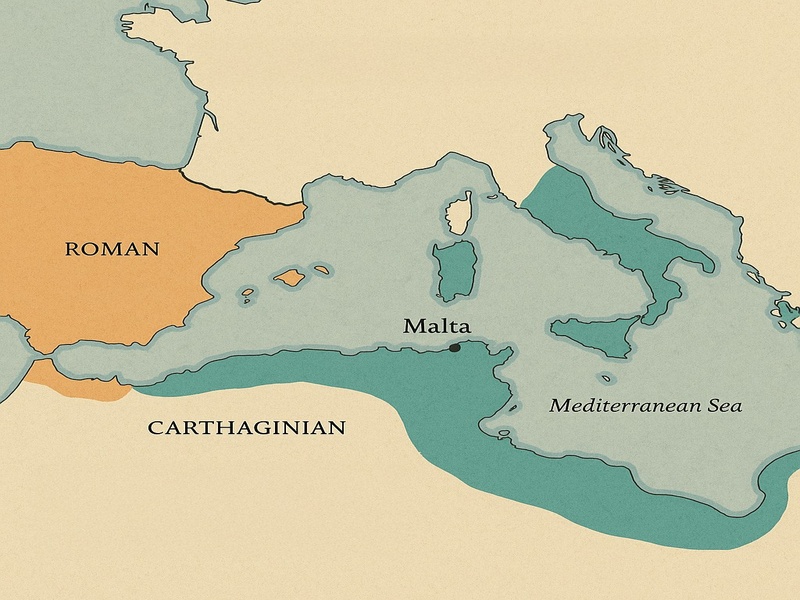
In 218 BCE, the Roman consul Tiberius Sempronius Longus captured Malta during his campaign against Carthaginian strongholds. The conquest was achieved without significant resistance, suggesting that the Maltese population, primarily engaged in trade and agriculture, saw little benefit in a destructive war. The Romans, recognising the islands’ strategic value, incorporated them into the province of Sicily under the governance of a praetor.
The shift to Roman rule marked a significant shift in Malta’s political and cultural direction. While the Phoenicians had established connections between the islands and the eastern Mediterranean and North Africa, the Romans firmly established their connection to the western Mediterranean and the wider imperial system. This reorientation would have significant consequences for the islands’ future development.
ROMAN ADMINISTRATION AND URBANISATION
Under Roman rule, Malta and Gozo underwent significant urbanisation and infrastructural development. The Romans established a sophisticated administrative system, with Malta designated as a civitas foederata (an allied city), which conferred certain privileges upon its inhabitants while obliging them to provide naval support to Rome.
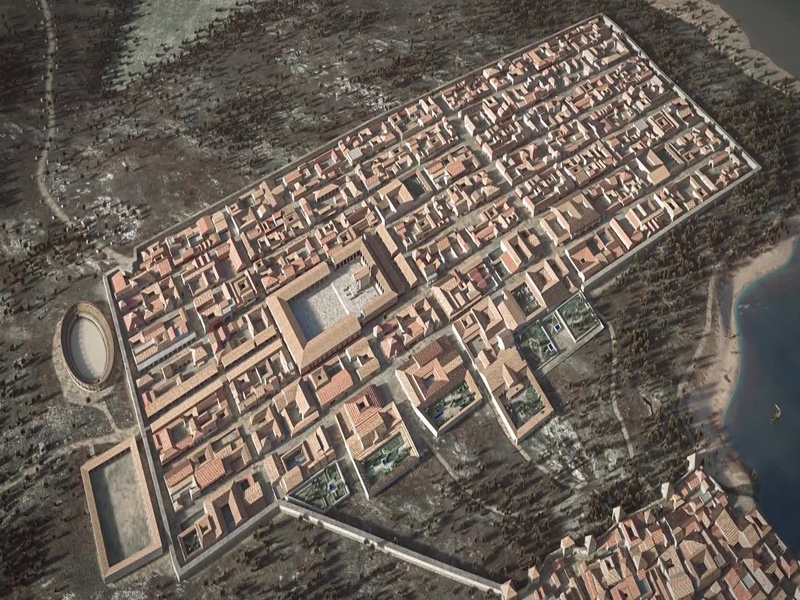
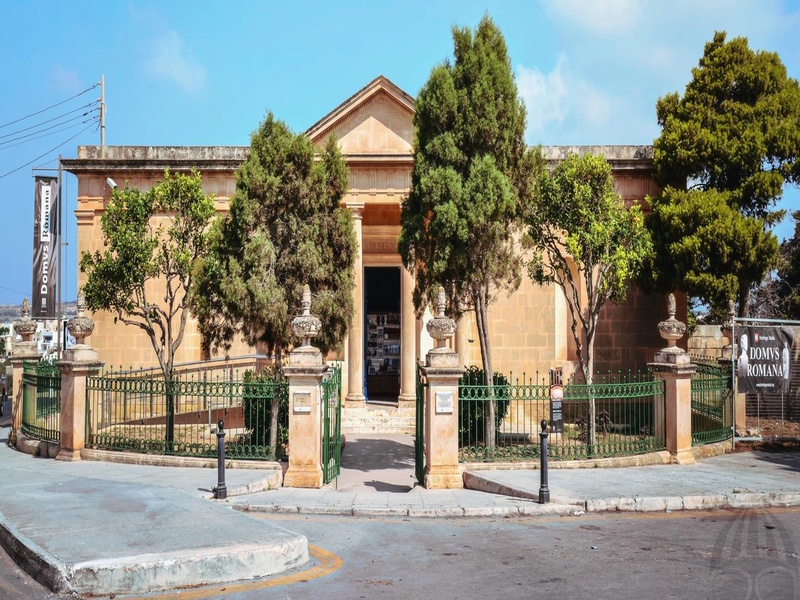
The city of Melita (modern Mdina) became the administrative centre of the islands. Archaeological evidence indicates that Roman Melita was a prosperous city, boasting all the amenities of Roman urban life, including public baths, temples, theatres, and elaborate private houses adorned with mosaics and frescoes. The town was surrounded by massive walls, parts of which still survive today, and was connected to harbour towns by a network of well-constructed roads.
Roman engineering transformed the islands’ landscape. The Romans built an extensive road network, including the still-visible Roman road that connected Melita to the port of Marsa. They constructed harbours, enhanced agricultural terracing, and established villa rustica (country estates) that increased productivity in Maltese agriculture. The renowned Roman villa at Rabat, featuring beautiful mosaics that depict mythological scenes, showcases the wealth and sophistication of Roman Malta.
THE SHIPWRECK OF ST. PAUL
The most famous event in Roman Malta’s history occurred in 60 CE when the Apostle Paul was shipwrecked on the islands while being transported as a prisoner to Rome. According to the Acts of the Apostles, Paul’s ship was driven ashore during a storm, and he spent three months on the island. During that time, he performed miracles and converted many inhabitants to Christianity.
The traditional location of Paul’s shipwreck is St. Paul’s Bay on Malta’s northern coast, although some scholars suggest other sites. Regardless of the specific area, Paul’s visit marked the start of Malta’s Christian history and established
the islands’ lasting link to the Catholic Church. The account of Paul’s stay includes the well-known incident where a viper bit him, but he endured no harm, which led the local people to believe he was a god initially.
Paul’s host during his stay was identified as Publius, described as the “chief man of the island,” whom Paul allegedly cured of fever and dysentery. Publius is traditionally regarded as Malta’s first bishop, though historical evidence for his existence remains limited.
Nevertheless, the Pauline tradition became central to Maltese identity and was later invoked by various rulers to legitimise their authority over the islands.
ECONOMIC DEVELOPMENT AND TRADE
Roman Malta grew into a prosperous commercial hub, utilising its strategic position on major Mediterranean trade routes. The islands exported local products, including honey (which gave Malta its name, derived from the Greek word for honey, “melitta”), cotton, and carved stonework. More importantly, Malta acted as a vital waypoint for ships travelling between Rome and its African provinces.
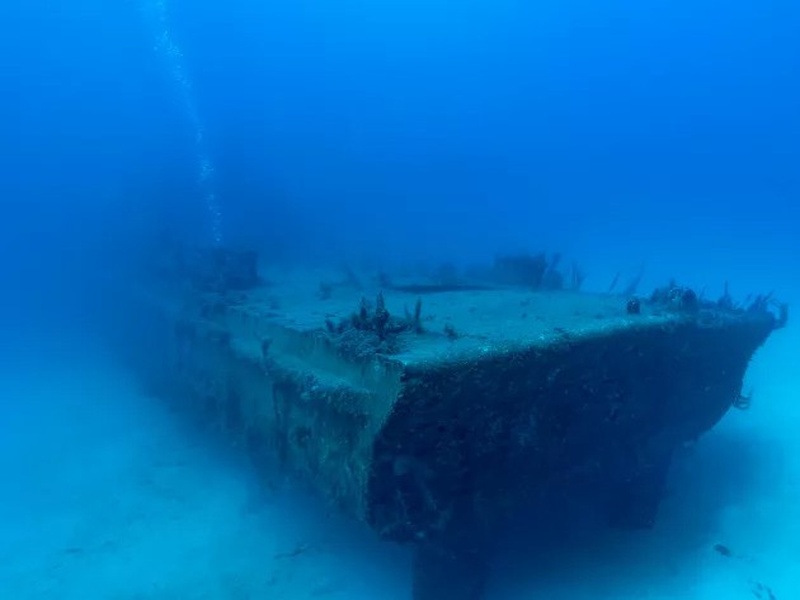
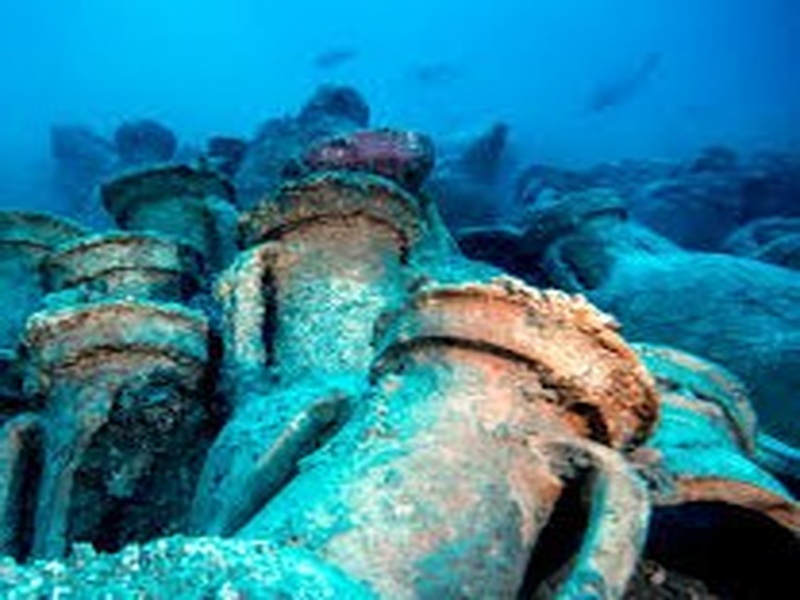
The Romans established several harbour settlements along Malta’s coast, including Marsaxlokk in the southeast and Marsa in the northeast. These ports enabled trade in grain from Egypt, exotic goods from the East, and manufactured items from across the empire. Archaeological evidence from Roman-period shipwrecks around the islands shows the scale and diversity of this trade.
Agriculture also prospered under Roman rule. The Romans introduced new crops and farming methods, expanded the system of agricultural terracing, and established large estates that produced wine, olives, and various Mediterranean crops. The islands’ textile industry, based on locally grown cotton and imported silk, gained particular renown throughout the empire.
RELIGIOUS AND CULTURAL LIFE
Roman Malta was spiritually diverse, mirroring the multicultural character of the empire. Classic Roman gods such as Jupiter, Mars, and Venus were worshipped alongside local deities and imported mystery religions. The Mithras cult, popular among soldiers and merchants, established a prominent presence on the islands, as shown by Mithraic inscriptions and religious artefacts.
Christianity gradually spread after Paul’s visit. Early Christian communities formed in both towns and the countryside, often repurposing existing religious sites for their faith. The catacombs of St. Paul and St. Agatha in Rabat, dating from the 3rd and 4th centuries CE, offer substantial evidence of early Christian burial customs and artistic traditions.
The islands’ cultural life thrived under Roman rule. Latin became the official language for administration and education, although local languages continued in everyday life. Roman educational systems were introduced, creating a literate class able to engage in imperial administration. The islands’ artists and artisans developed unique styles that combined Roman techniques with local traditions.
LATE ROMAN PERIOD AND DECLINE
The later Roman period (3rd-4th centuries CE) brought both opportunities and challenges to Malta and Gozo. The islands benefited from the empire’s ongoing prosperity and took part in the cultural flourishing known as the Late Roman Renaissance. However, they also faced increasing pressure from barbarian raids and the widespread instability that marked the late empire.
The conversion of Emperor Constantine to Christianity in 312 CE had significant effects on Malta. The islands’ Christian communities, now officially recognised, began building churches and establishing formal ecclesiastical structures. The bishop of Malta gained increasing prominence, and the islands became a key centre for Christian pilgrimage due to their association with St. Paul.
However, the division of the Roman Empire in 395 CE left Malta and Gozo in an uncertain position. Initially assigned to the Western Roman Empire, the islands would soon find themselves contested between various powers as the empire fragmented. The stage was set for a new chapter in the islands’ history as they navigated the transition from Roman rule to the medieval period.
CHAPTER 4: BYZANTINE RULE AND ARAB CONQUEST (395-1091 CE)
THE BYZANTINE INTERLUDE
When the Western Roman Empire fell in 476 CE, Malta and Gozo came under the nominal control of the Byzantine Empire, the eastern continuation of Rome. However, Byzantine influence in the central Mediterranean was often fragile, and the islands underwent several changes of sovereignty during this turbulent period.
The Byzantine period in Malta (roughly 395-870 CE) was marked by administrative neglect and a decline in prosperity. The islands’ strategic importance waned as trade routes shifted and the empire concentrated on more urgent threats in the Balkans and Anatolia. Archaeological evidence indicates a significant decline in urban life, with many Roman-era buildings abandoned or repurposed.
Despite political instability, Christianity continued to flourish. The islands’ Christian communities maintained their bonds with both Rome and Constantinople, developing a unique liturgical tradition that combined Eastern and Western elements. Several churches from this period still exist, including the early Christian basilica at Tas-Silġ, which demonstrates the continuity of Christian worship even during periods of political upheaval.
The Byzantine period also witnessed the first recorded Viking raids on the island of Malta. In 869 CE, a Viking fleet attacked the islands, causing significant destruction and capturing many inhabitants as enslaved people. This raid emphasised Malta’s vulnerability and the inadequacy of Byzantine defences, paving the way for more substantial changes in the islands’ political control.
THE FATIMID CONQUEST
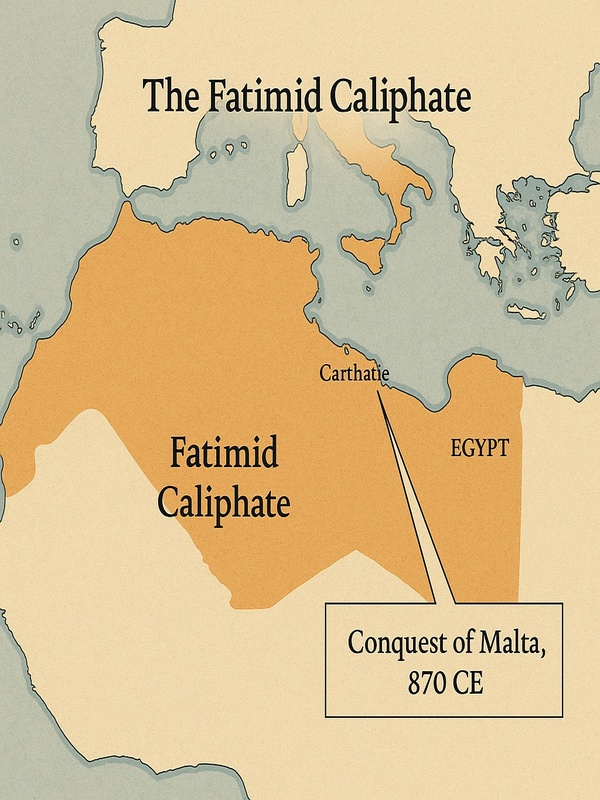
In 870 CE, Malta and Gozo fell under the control of the Fatimid Caliphate during their westward expansion across North Africa. The conquest was led by Halaf al-Hadim, a general serving the Fatimid caliph, who captured the islands after a brief siege. This event marked the beginning of over two centuries of Islamic rule, which would profoundly transform Maltese society.
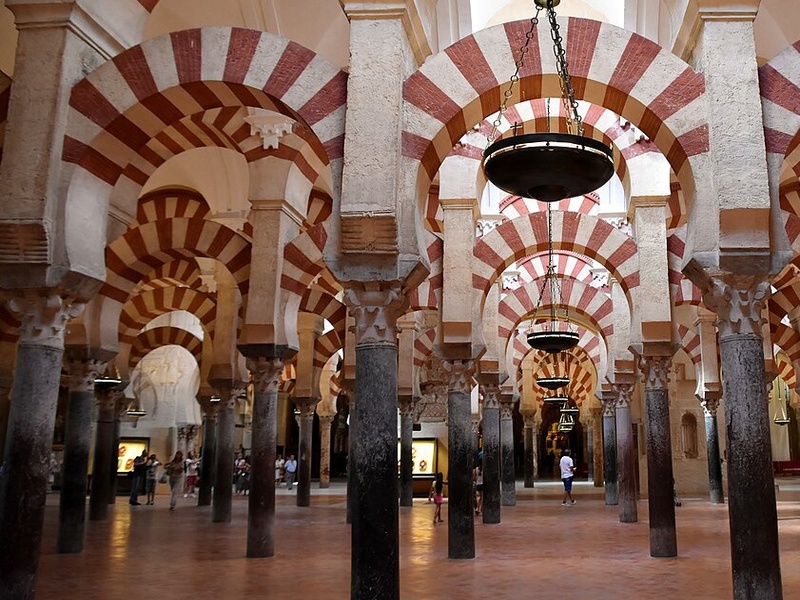
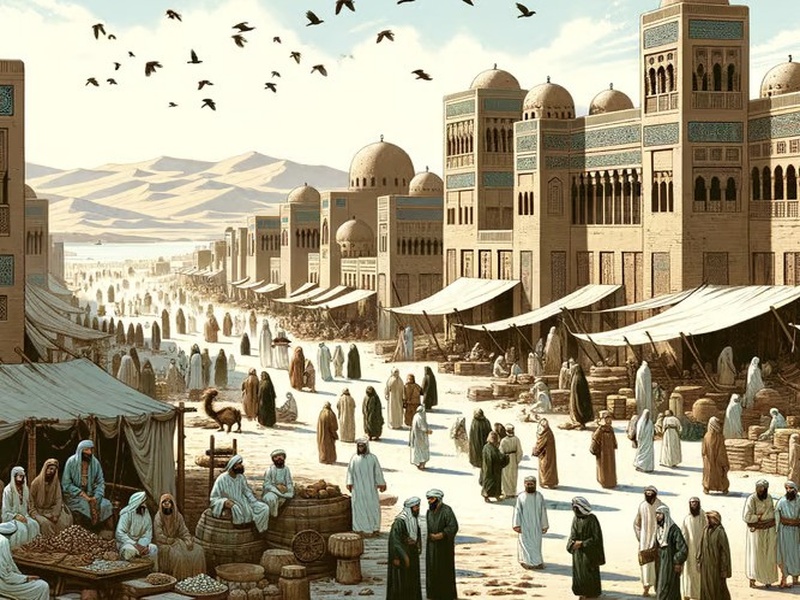
The Arab conquest was not just a military occupation but a profound transformation of the islands’ social, economic, and cultural systems. The new rulers implemented Islamic law, adopted Arabic as the administrative language, and encouraged conversion to Islam through a combination of incentives and social pressure.
However, the transition was not uniformly violent. Many aspects of local life remained unchanged, and the Arab rulers generally tolerated Christian communities that accepted the status of dhimmis (protected minorities). Churches continued to operate, although new construction was restricted, and Christians were required to pay additional taxes while being barred from certain professions and political roles.
AGRICULTURAL AND ECONOMIC REVOLUTION
The Arab period brought revolutionary changes to Malta’s agriculture and economy. The new rulers introduced crops and farming techniques from North Africa and the Middle East, including citrus fruits, cotton, and various spices. They expanded and improved the irrigation system, building sophisticated water management infrastructure that maximised the islands’ limited water resources.
The Arabs also introduced new architectural styles and building techniques. They developed the distinctive Maltese balcony, adapted from Middle Eastern mashrabiya, and introduced the use of limestone in ways that would become characteristic of Maltese architecture. Many of the islands’ ancient structures were modified or rebuilt during this period, often incorporating Islamic decorative elements.
Trade relations underwent significant shifts under Arab rule. Malta became part of the Islamic commercial network that stretched from Spain to Central Asia. The islands exported agricultural products, particularly cotton and citrus fruits, to markets in Sicily, North Africa, and the eastern Mediterranean. This trade brought prosperity to the islands and connected them to the wider Islamic world.
LANGUAGE AND CULTURE
Perhaps the most enduring legacy of the Arab period was its linguistic impact. The Arabic spoken in Malta gradually developed into what would become the Maltese language, blending elements from local Latin-based dialects and later borrowing from Italian and English. This linguistic evolution led to the creation of a unique Semitic language written in the Latin script, the only one of its kind in the world.
Arab influence extended beyond language to all aspects of cultural life. Islamic architectural styles, decorative arts, and musical traditions became rooted in Malta, often blending with local customs. The islands’ place names were heavily Arabised, with many modern Maltese place names deriving from Arabic origins.
The Arab period also brought significant changes in settlement patterns. The rulers encouraged the development of rural settlements and agricultural communities, resulting in the establishment of numerous villages that remain in existence today. The unique Maltese rural architecture, characterised by its flat roofs and limestone construction, developed during this period.
RELIGIOUS AND SOCIAL CHANGES
Under Arab rule, Malta’s religious landscape became more complex. While Christianity continued to thrive, Islam emerged as the dominant faith, and the islands saw the development of a substantial Muslim community. Mosques were built in key settlements, and Islamic religious education was introduced. The social structure also changed significantly. The Arab rulers established a feudal system based on Islamic law, with land ownership mainly held by Muslim elites. Nonetheless, they also created opportunities for social mobility through conversion and military service, leading to a gradual shift in the islands’ social hierarchy.
Despite these changes, many aspects of local culture persisted. Christian communities maintained their traditions and practices, often adapting them to fit within the Islamic legal framework. The islands’ artistic traditions continued to evolve, forming unique hybrid styles that blended Islamic, Christian, and local elements.
THE END OF ARAB RULE
By the 11th century, Arab control in Malta was weakening due to internal conflicts within the Islamic world and external pressures from Christian powers. The Fatimid Caliphate was in decline, and Sicily had been taken over by the Normans, who were considering Malta as their next target.
The final phase of Arab rule was marked by growing instability and conflict. The islands’ strategic position made them sought after by various competing powers, resulting in several changes of overlordship as different Islamic dynasties rose and fell. This instability set the stage for the Norman conquest, which would mark the end of the Islamic period in Maltese history.
—-continued in part 2